Implications of disruption in the flow of
#commodities through the
#Strait_of_Hormuz
#Methanol — has increased by approximately 20% to 35% so far, and due to its dual dependence on natural gas and Gulf exports, it sits at the center of the current market shock.
#Urea — has risen by approximately 17% to 50% so far, directly putting pressure on global food security and agricultural costs.
#Ammonia — has increased by approximately 20% to 40% so far, and as the primary feedstock for fertilizer production, it is directly impacted by rising gas prices.
#Polyethylene — has grown by approximately 10% to 22% so far, influenced by higher feedstock and logistics costs.
#Polypropylene — has increased by approximately 12% to 25% so far, with strong dependence on LPG markets and refinery output.
#Liquefied_Natural_Gas — has surged by approximately 20% to 35% so far, putting pressure on consuming markets.
#Propane_and_Butane — have increased by approximately 18% to 30% so far, impacting both fuel and petrochemical sectors.
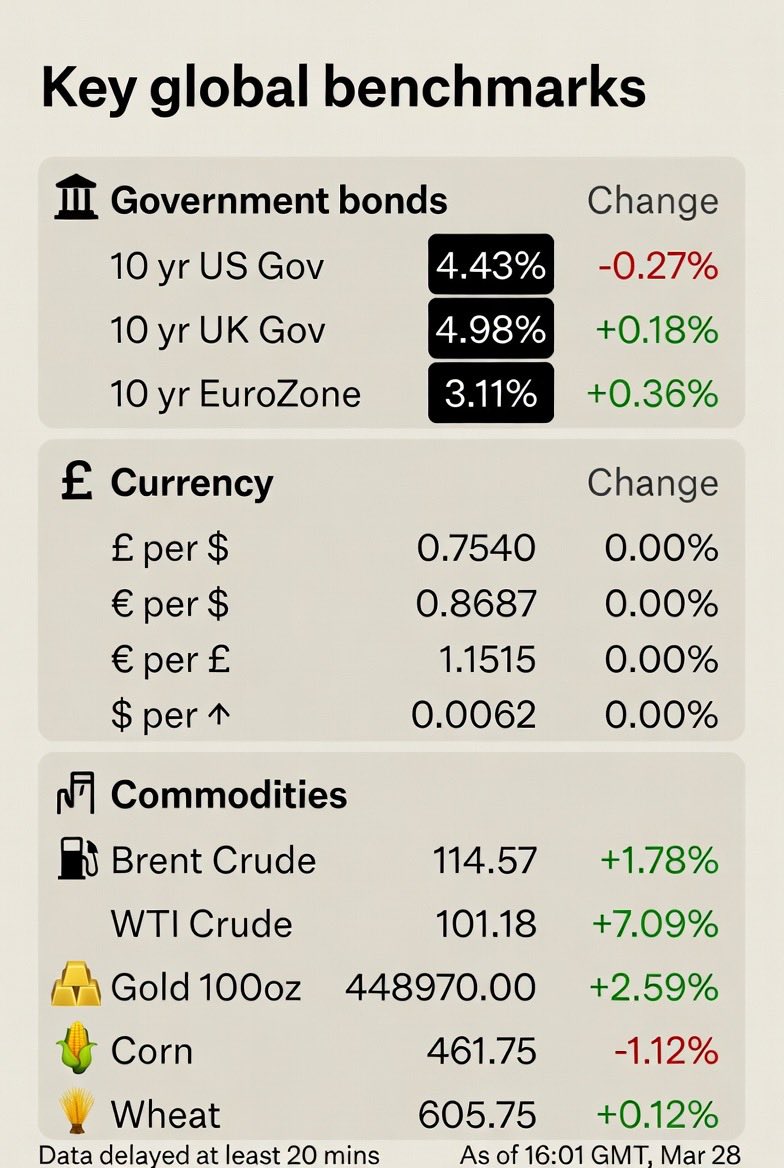
#Brent_Crude — has risen by approximately 18% to 27% so far, forming the foundation of this price shock.
#Gasoline — has increased by approximately 10% to 18% so far, reflecting pressure in refining and distribution.
#Diesel — has grown by approximately 12% to 22% so far, closely tied to transportation costs.
#Benzene — has increased by approximately 8% to 18% so far, transmitting cost pressure into chemical value chains.
#Paraxylene — has risen by approximately 10% to 20% so far, affecting textile industries.
#Styrene — has increased by approximately 12% to 22% so far, driven by rising feedstock costs and demand.
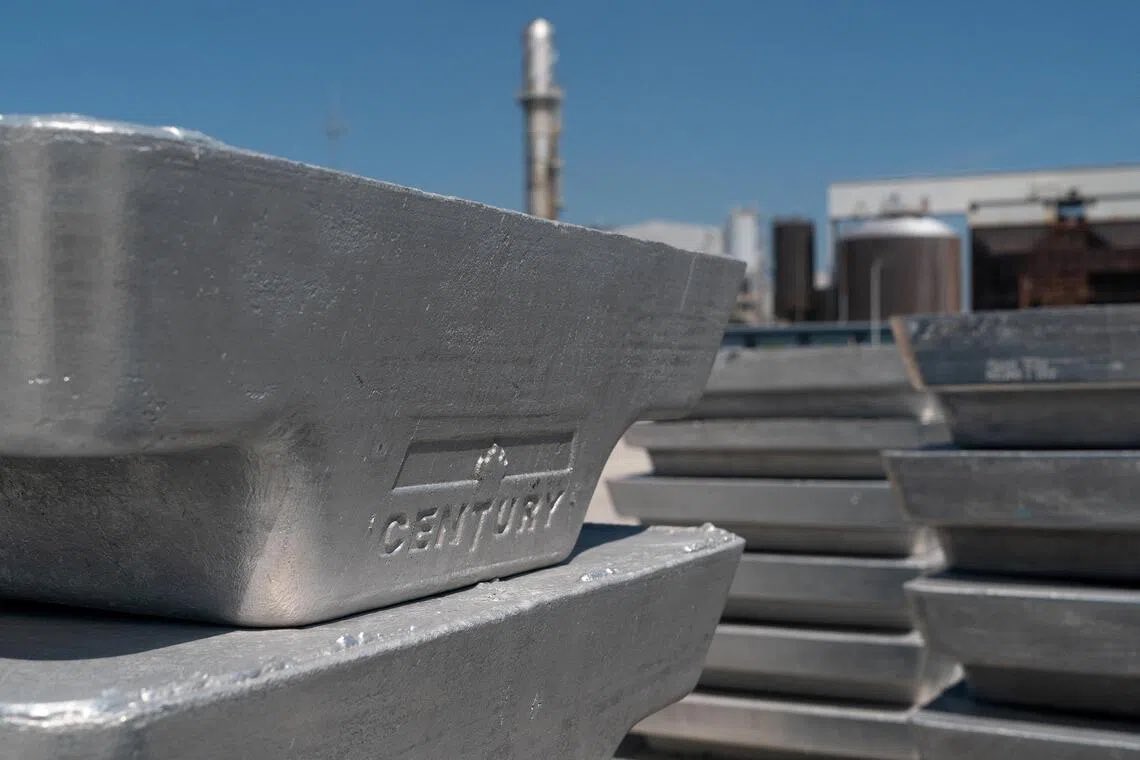
#Aluminum — has grown by approximately 8% to 15% so far, reflecting higher energy input costs.
#Steel — has increased by approximately 6% to 10% so far, showing indirect impact from energy inflation.
#Helium — has risen by approximately 10% to 30% so far (and up to 100% in severe scenarios), making it one of the most sensitive global markets.
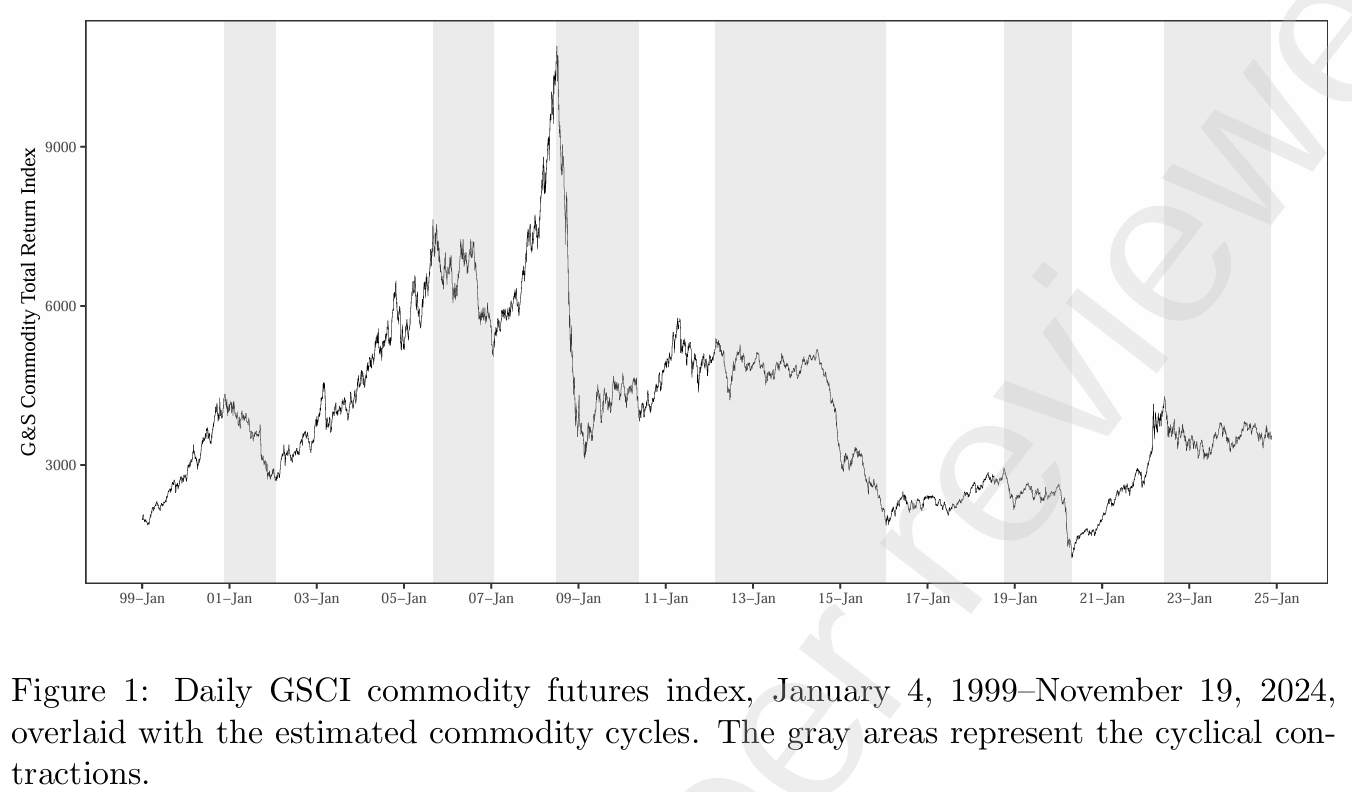
So far, the disruption in the Strait of Hormuz has not only increased prices but has fundamentally reshaped the global pricing structure, where energy, logistics costs, and geopolitical risks are simultaneously embedded into markets. The greatest pressure—and opportunity—has emerged in mid-chain commodities such as methanol and ammonia.