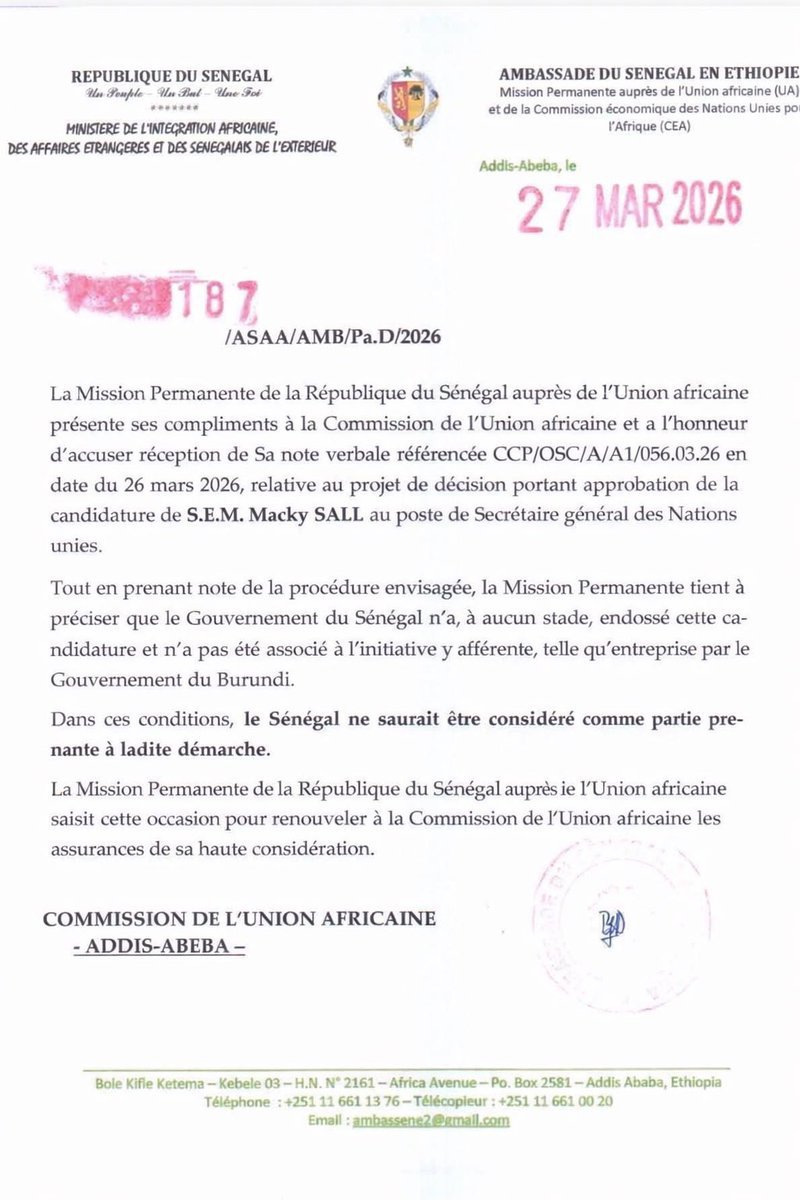
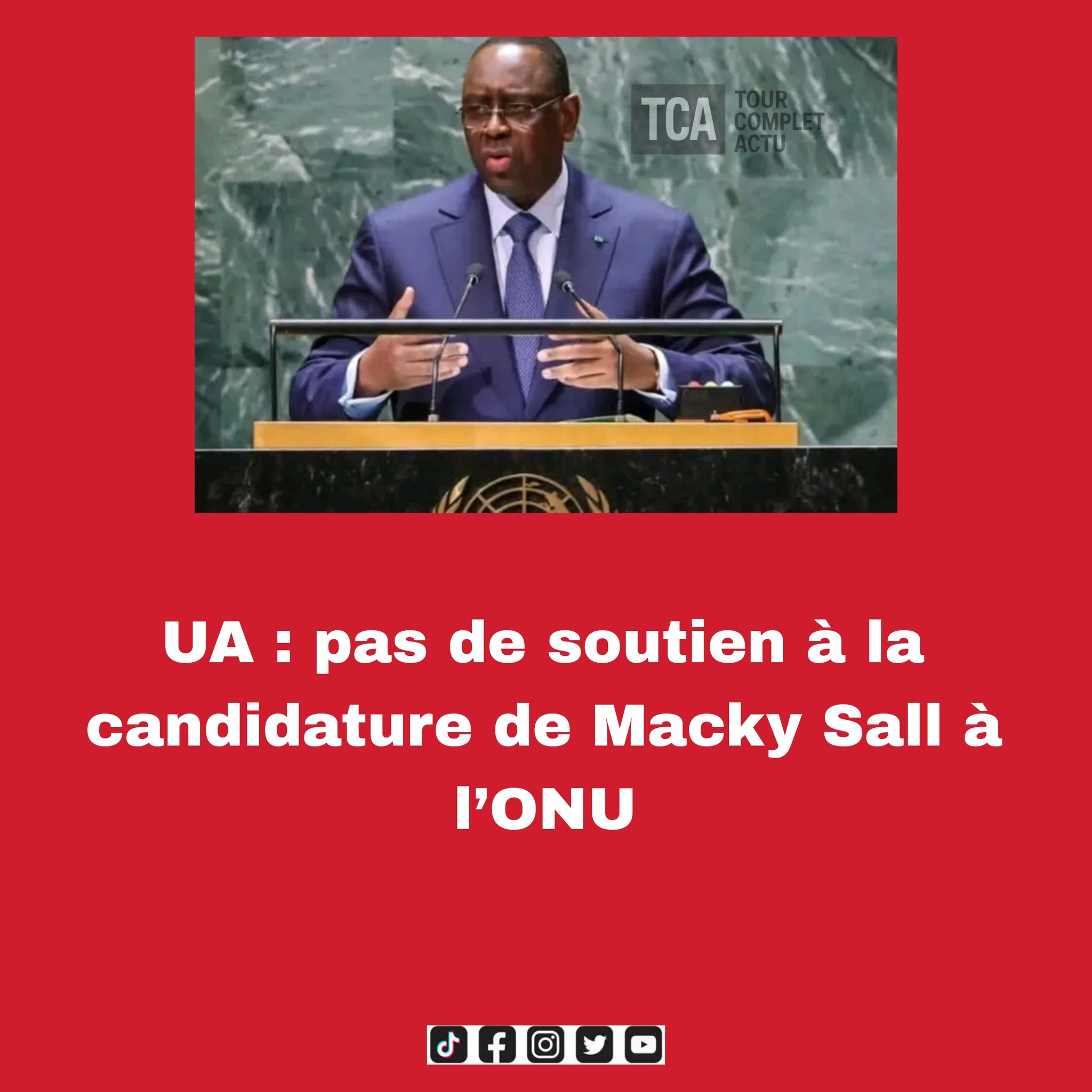
The statement by the Minister of Foreign Affairs of
#Rwanda (
@onduhungirehe) is regrettable in both tone and substance, as it misrepresents established procedures of the
@_AfricanUnion and unnecessarily personalizes what is, in essence, a routine institutional process.
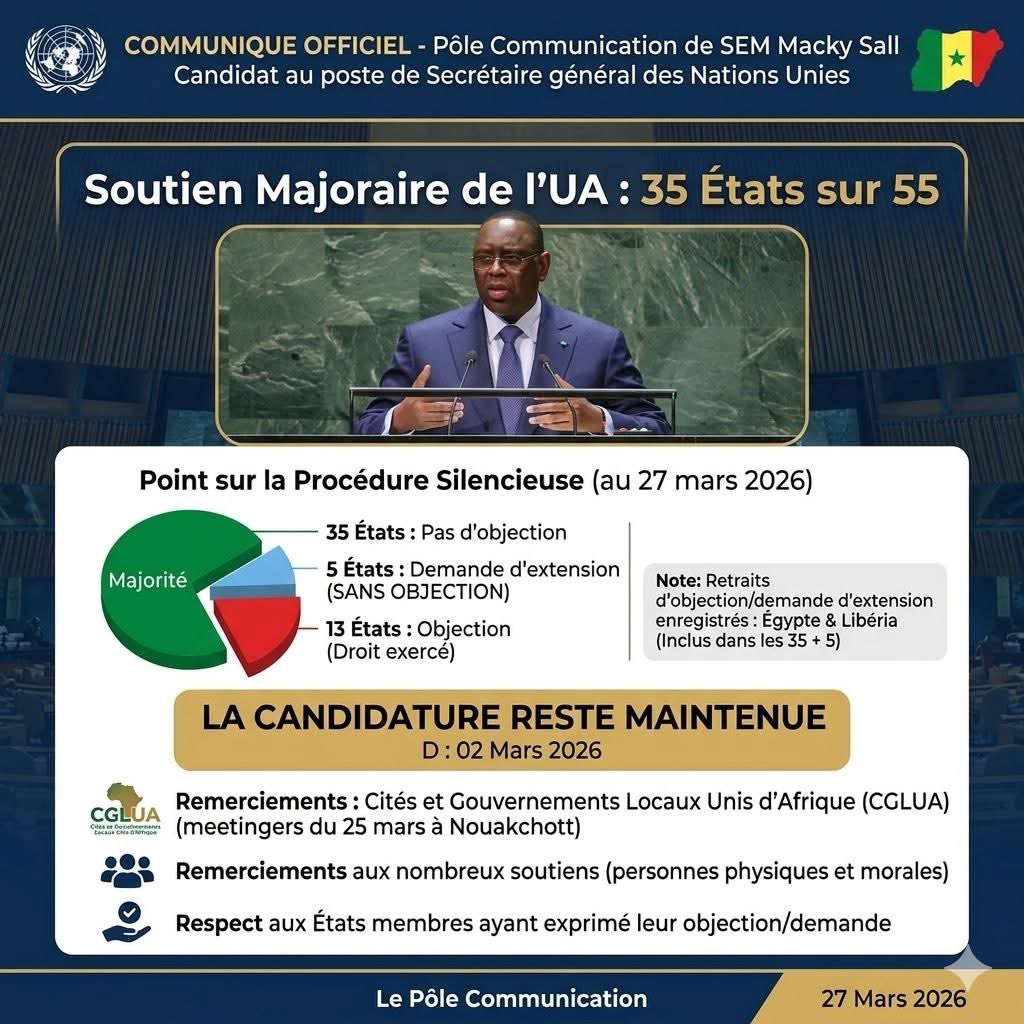
First, the use of the Silence Procedure is neither new nor irregular within the African Union. It is a well-established decision-making mechanism that has been applied on numerous occasions. The fact that some Member States chose to break the silence does not constitute a crisis; rather, it reflects normal institutional practice and demonstrates that consultation among Member States is both active and effective.
Second, it is important to recall that H.E. President Evariste Ndayishimiye, in his capacity as Chairperson of the African Union, acted in line with his mandate and in respect of established procedures. His ruling was clear, in French:
“Je voudrais vous remercier pour le soutien affiché en faveur de notre Frère Macky Sall et déclare que le Projet de Décision qui nous a été soumis est adopté. J’instruis la Commission de l’Union Africaine à l’envoyer à tous les États Membres, pour adoption par la procédure du silence, selon les règles et procédures de notre Union.”
“I would like to thank you for the support expressed in favor of our brother Macky Sall and declare that the draft decision submitted to us is adopted. I instruct the African Union Commission to transmit it to all Member States for adoption through the silence procedure, in accordance with the rules and procedures of our Union.”
This instruction explicitly entrusted the African Union Commission with implementing the process in accordance with the Union’s rules and procedures.
Third, the 24-hour timeframe that has been criticized was not determined by the Chairperson of the Union. It resulted from internal handling at the level of the Permanent Representatives’ Committee (PRC) chairmanship, despite reservations expressed by the Legal Counsel and the Secretariat. It is therefore inaccurate to attribute this aspect to the Chairperson.
Fourth, attempts to portray this procedural matter as a “violation of all rules” or as an action that “tarnishes” the African Union are exaggerated and risk undermining the credibility of our continental institutions. Differences in procedural appreciation should be addressed through established diplomatic channels, in a spirit of collegiality and mutual respect.
Furthermore, no decision was imposed on Member States. On the contrary, the fact that silence was broken demonstrates that Member States fully exercised their sovereign right to express their positions, fully in line with the procedures of the African Union.
Finally, it is important to emphasize that matters of such institutional importance call for responsibility, restraint, and respect for diplomatic decorum. Public commentary, particularly when expressed in a tone that is dismissive or inflammatory, does not contribute to constructive engagement and may give the unfortunate impression of a lack of discipline and experience in handling sensitive continental issues.
Our Union is built on mutual respect and quiet diplomacy; it is in this spirit that we should continue to engage, especially on matters of such significance to
#Africa’s collective voice on the global stage.