The Fed's worst nightmare is materializing in front of our eyes.
What is often overlooked is that the Fed primarily controls demand-side inflation, not supply-side inflation. In other words, it can influence how much people borrow and spend, but it cannot directly increase supply, like producing more oil.
This means that in the case of a supply-shock, as we are seeing now with energy prices, the Fed often has to overcompensate on the demand-side to contain inflation, and vice-versa.
During the pandemic in 2020, this meant effectively cutting interest rates to zero, as lockdowns triggered a sharp collapse in demand alongside widespread supply disruptions.
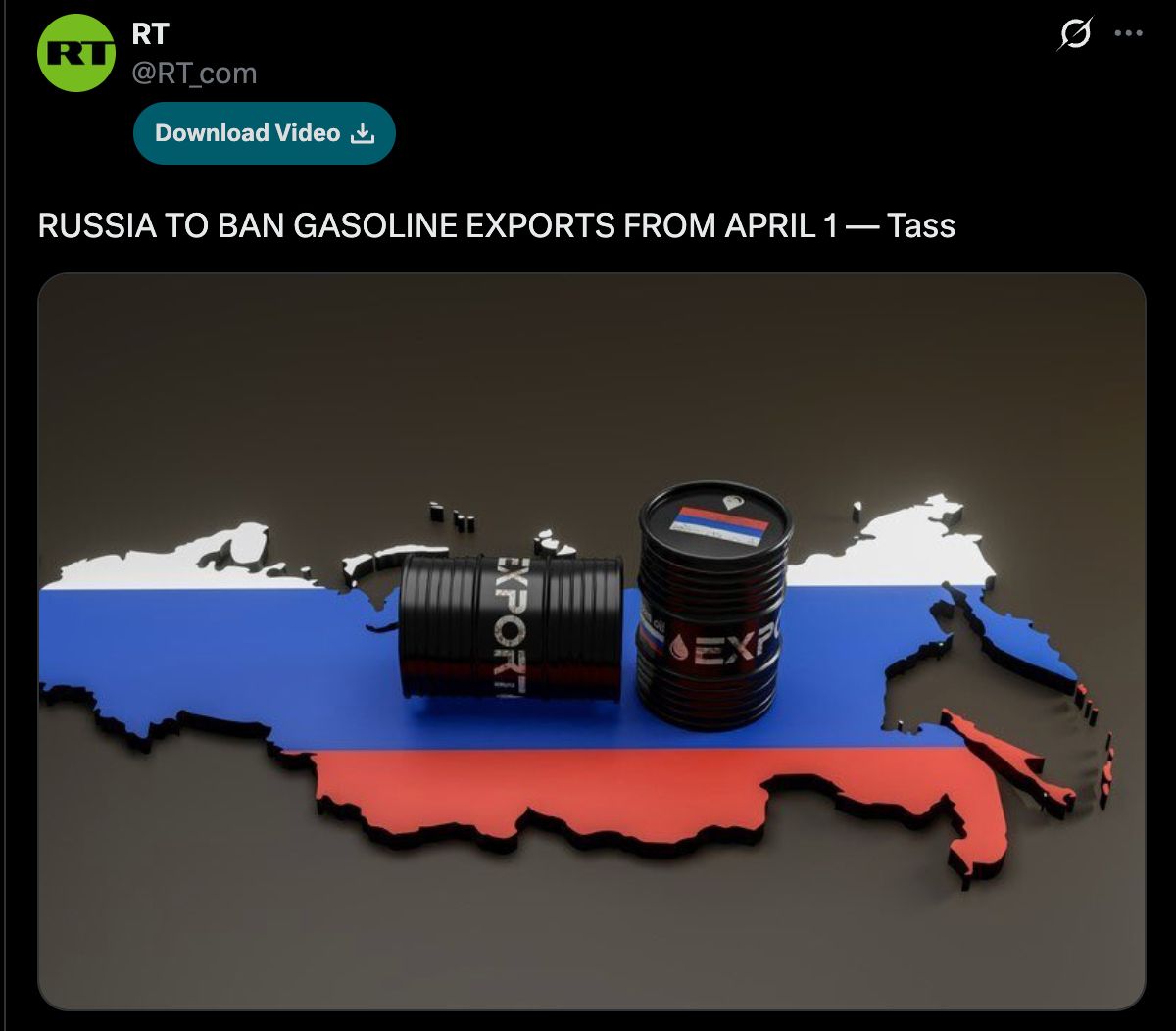
With oil and gas prices skyrocketing, our models suggest US CPI inflation is set to rise toward 3.5%, or 150 basis points above the Fed's long-run target. In a vacuum chamber, this means the Fed should tighten policy and theoretically hike rates.
However, the issue becomes the fact that the US labor market is objectively at its weakest point in years, and it has not improved despite recent Fed easing. Therefore, if the Fed hikes interest rates now, the US is positioning itself for a full-blown labor market crisis.
On the flip side, if the Fed does not tighten its policy stance, US CPI inflation could potentially even exceed 4.0%, depending on how long the Iran War persists, and how long the post-war recovery takes.
In a sudden turn of events, the Fed is now forced to pick between 3.5%+ inflation or 5.0%+ unemployment.
The Fed is in a very bad spot.