You Will Win, Just Don’t Quit!
Fueled By Impact Silica
#supplements #energy #cognition
#phbalance #optimalperformance
Make It Your Natural Habit
1
1
2




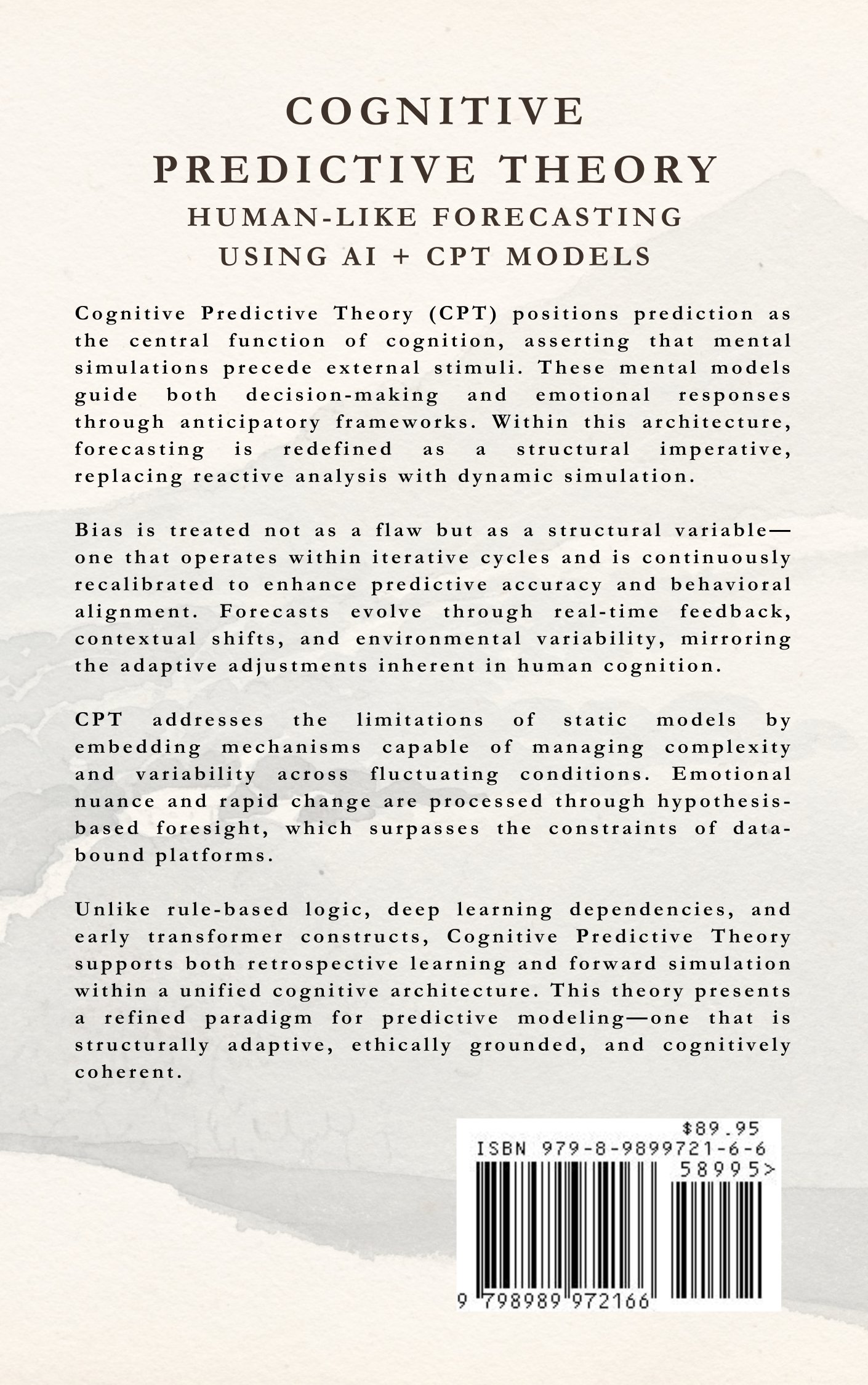

Dans un magasin de bricolage, une expérience concrète montre que l’intelligence artificielle n’est pas une simple aide, mais un outil de structuration de la pensée.
From my-psychologie.com


New research from MIT neuroscientists finds the brain delivers specific feedback during learning that resemble the error signals that drive machine learning.
From news.mit.edu

A single-celled organism shows Pavlovian learning, challenging our assumptions about the origins of cognition.
From zmescience.com
A cow named Veronika has stunned scientists by using tools in a flexible and purposeful way. She chooses different ends of a brush depending on the part of her body and adjusts her movements accord...
From sciencedaily.com


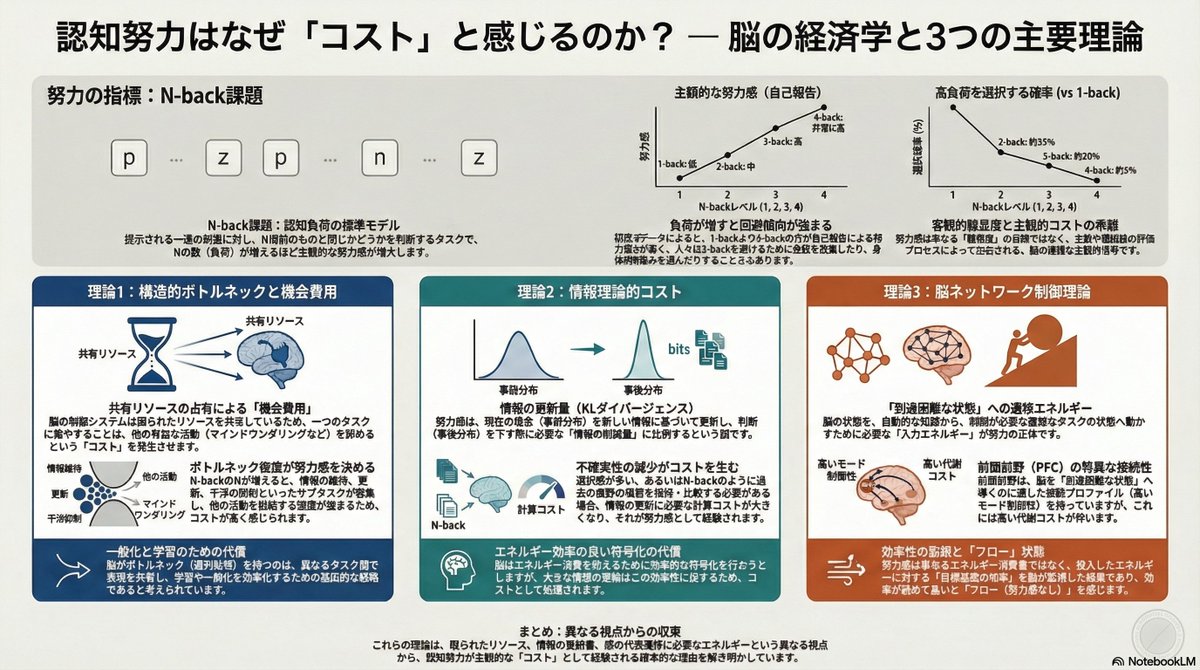

Why does studying animal communication matter — and what might it teach us about building better AI? Federico Rossano, associate professor of cognitive science is pursuing those questions with...
From today.ucsd.edu


In our fraught social and political climate and with authoritarianism on the rise, my thoughts turn to creating stories that depict the tension between simplicity and complexity, rigidity and...
From jhermankleiger.com