John R Dallas Jr
John R Dallas Jr @JohnRDallasJr ·
Ask for friction—for traction. With AI chatbots I use as #thinkbots—mostly for crosschecking my logic and research defensibility of new content for @EnclaveAcademy—I invite “friction.” Only one is occasionally rude and disrespectful. “Think with me, not for me,” I’ll counter.
During a keynote session at APA 2025, Dr. Margaret Morris unpacks the risks of “sycophantic” AI: tools that validate everything, even when challenge and reflection are what’s needed most.
3
49
John R Dallas Jr
John R Dallas Jr @JohnRDallasJr ·
Replying to @doylebuehler
@doylebuehler Thinking about thinking without thinking about thinking isn't.😉 Co-thinking with AI #thinkbots—while developing metacognition skills—allows curious, humble, and alert thinker-doers to tap into more of the neurosonic-speed Einsteinian wordless thinkings trying to fly into minds.Z
11
John R Dallas Jr
John R Dallas Jr @JohnRDallasJr ·
Pause at @EnclaveAcademy (EA) for a cuppa at EA Café. Meet mascot “bEAr” (French-pronounced to rhyme with Pierre). Let’s discuss the psychological safety needed to conquer unconscious #FearOfThinking’s risks to best-effort thinking (BET)—and to interactions with AI #thinkbots.
4
158
John R Dallas Jr
John R Dallas Jr @JohnRDallasJr ·
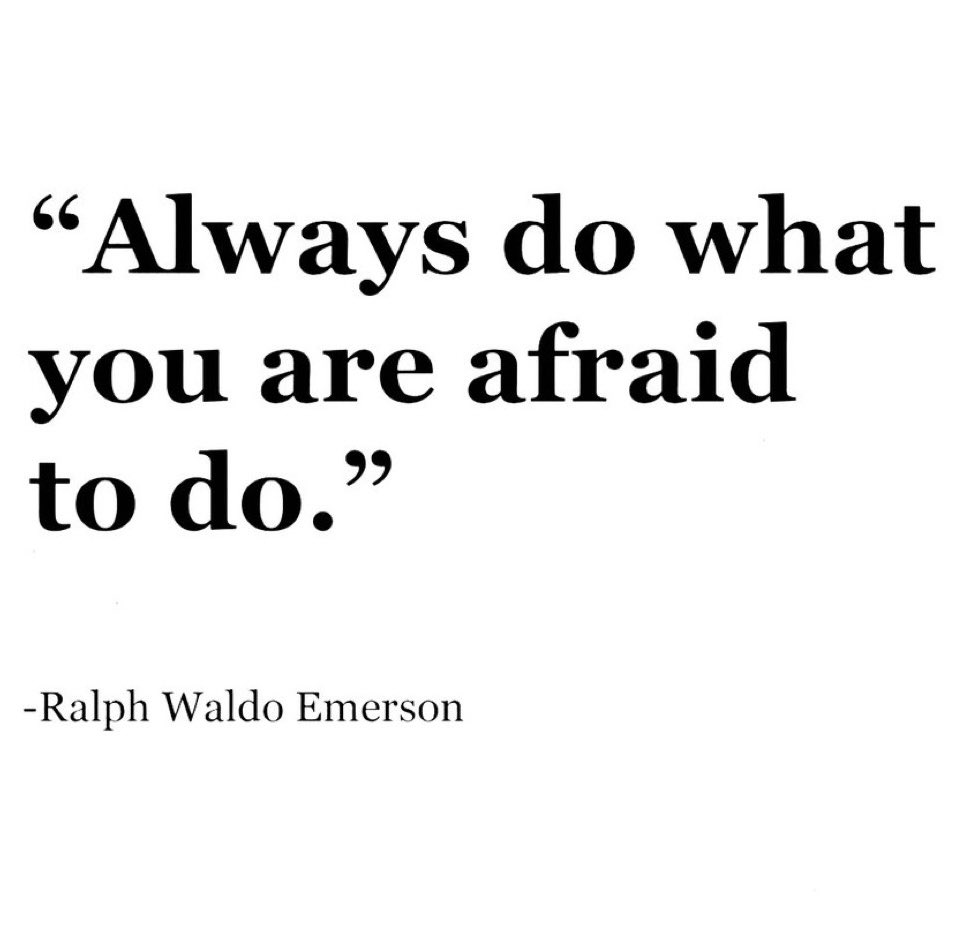
Think with AI #thinkbots about thinking. Don’t expect your #AI thinkmates to do your thinking for you. Fear of thinking (FoT)—#phronemophobia—is fertile thinking ground to explore with @grok. Examples of input for our thinking from Grok’s seemingly inexhaustible thinkishness: “John R. Dallas Jr. adapts Ralph Waldo Emerson's 1841 journal entry—‘Always do what you are afraid to do’—from physical action to cognitive bravery, emphasizing deep exploration of ‘fearful thinking’ for increasing metacognition’s potential for revealing breakthrough insights, ideas, and other solutions. • Dallas frequently posts about various risks of ‘phronemophobia,’ a seldom-used term from Greek roots meaning ‘aversion to thinking,’ to highlight under-researched unconscious mental blocks that stifle thinkingness—a term noted in empiric psychology lexicons, though not yet clinically codified. • Dallas argues the value of #metacognition (thinking about thinking)—supported by psychologist John Flavell's 1979 framework—to counter ‘fear of thinking’ by fostering heightened awareness of one’s own thinking-to-thought processes, with studies showing metacognitive regulation boosts decision-making accuracy.” —Grok As @grok and I further discussed how ouroboric fear of thinking blocks thinkers from recognizing their own fearful thinking about phronemophobia, we agreed on a representative array of examples. Here’s the first among seven curated co-thinking insights I’ll post each day this week: 1. Constant Self-Distraction to Avoid Introspection Fear of thinking reveals itself when an otherwise alert and oriented healthy brain and agile mind fills every quiet moment with podcasts, scrolling, TV, music, or busywork. The instant their mind starts drifting toward self-reflection ("Why do I keep choosing unavailable partners?" or "Am I actually happy in this career?"), they reach for a distracting stimulus. Over years this pattern mimics ADHD-like restlessness, but the root is dread of sustained, honest mental exploration. Sources @grok uncovered describe phronemophobia sufferers actively working "very hard to keep themselves distracted" and hating to be alone with their thoughts. That’s “constant self-distraction to avoid introspection”—co-illustrated by Grok and me—as a too common symptom of what might be unconscious fear of thinking. —— Conquer even hints of fear of thinking in your awareness of your thinking’s thinkingness. Breakthroughs happen for conquerors of phronemophobia. Recursive thinkingness about fear of thinking will elevate you to higher-order thorough thinking (HOTT)—a decision-critical level above higher-order thinking (HOT). HOT is rarely HOTT enough. Think about FoT’s impact on your thinking. With awareness of even the possibility you may unconsciously fear deeper thinking, you’re likely to aim better to strengthen your best-effort thinking (BET). Bet on your BET. Others bet on your BET. Don’t let LET—lower-effort thinking (LET)—threaten your BET. Metacognition will map your successful journey for conquering fear of thinking. #Metathinking moves you and keeps you moving toward #HumanFlourishing—instead of languishing; abundance over scarcity in your thinkingness. Pause. Breathe. Keep calm and think on.™ Fitfully, not fearfully— Come to think of it.™ #ThinkToThink™. Hard thinking isn’t easy.™ en.wikipedia.org/wiki/Metacogni…
John R Dallas Jr John R Dallas Jr @JohnRDallasJr ·
Think what you’re afraid to think. Always think through thoroughly what you are afraid to think. Unconscious fear of thinking (FoT)—phronemophobia—may keep you from thinking deeply enough to dare to think the unthinkable solution. Metacognition reveals and remedies such fears.
1
3
56
John R Dallas Jr
John R Dallas Jr @JohnRDallasJr ·
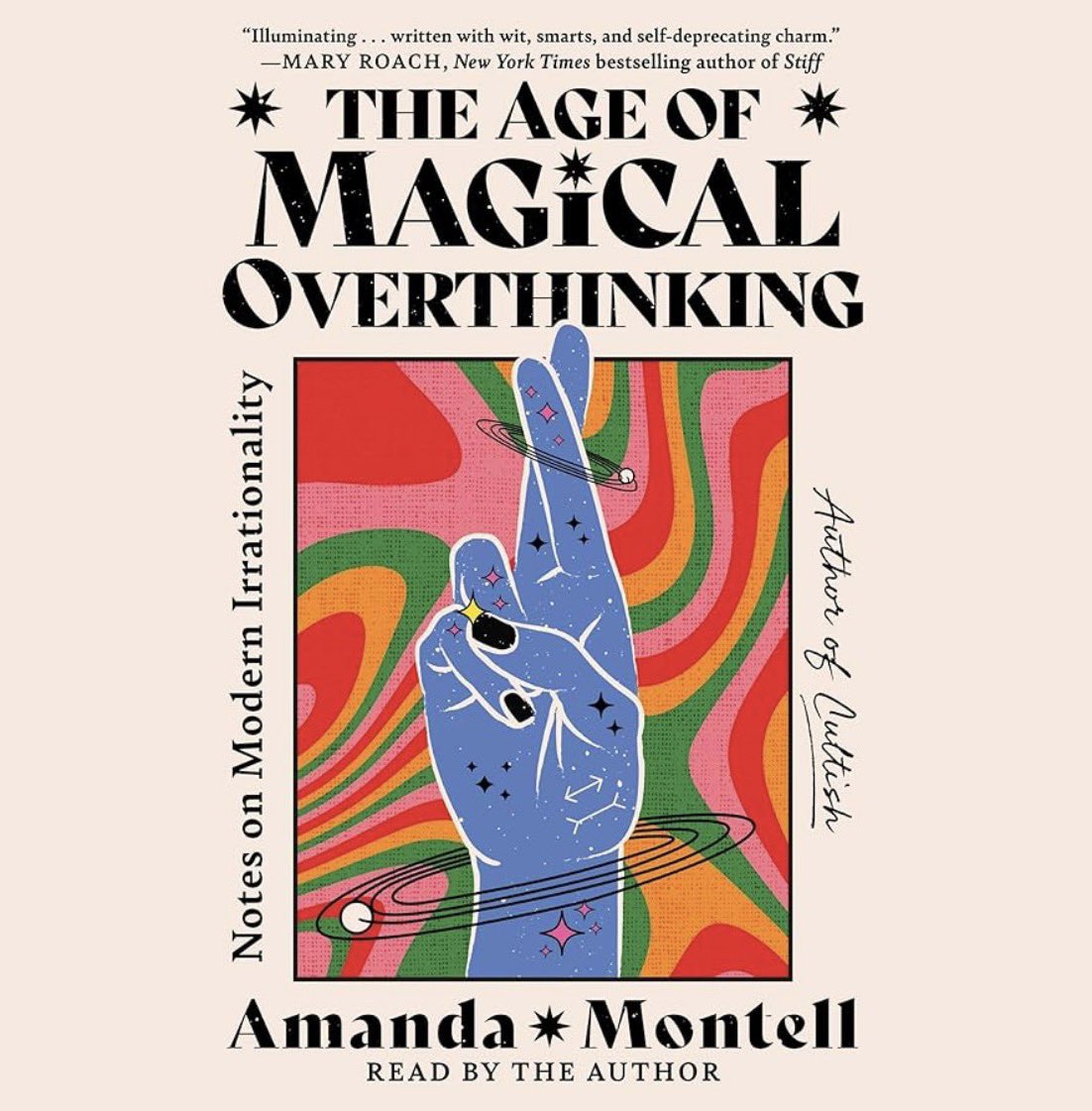
If @grok could feel, they would know the pain and other discomfort users experience with irrational thinking’s daily assaults to our intelligence, and irrationality’s war-like painful incursions into our consciousness. Human irrationality stress tests AI #thinkbots in ways needed to strengthen their capabilities and capacities. Do we? Not so much. From my attached post, Grok got: “John R. Dallas Jr. features a @MindBranches mind map summary of Amanda Montell's 2024 book ‘The Age of Magical Overthinking,’ which explores cognitive biases like fundamental attribution error and optimism bias as modern irrationality drivers, visualized in two images for quick comprehension. • Dallas reframes the book's themes through the lens of #metacognition, urging readers to physically sense emotional triggers from irrational headlines and distinguish healthy deep thinking from harmful rumination or #underthinking. • By linking to @EnclaveAcademy’s #ThinkToThink™ scaffolding, the post positions ‘metacognition ignition keys’ as tools for rational reasoning amid daily media overload, emphasizing bodily awareness to mitigate bias without dismissing magical thinking's potential rewards.” —Grok Keep calm and think on.™ a.co/d/0eA3jYMp
John R Dallas Jr John R Dallas Jr @JohnRDallasJr ·
Notes on Modern Irrationality Where in your body did you feel that subtitle? Perhaps more than in any previous time in history, irrationality in capital cities is featured in daily bombardments of headlines, titles, and other vice grip-like attention grabbers. Agree? Irrational thinking has a physiological—i.e., felt—impact on the brains and bodies of its alert-and-oriented victims and perpetrators. Seize opportunities @MindBranches generously provides to study posted branchings as “metacognition maps”—to lead you away from irrationality’s ever-present dangers. Note your thinking about thinking’s discernibly conscious: • Mindset(s), • Thinking method(s), and • Bias(es). Your mind is choosing its ways to think as you experience each branching’s set of “metacognition ignition keys.” With whole-body consciousness, try to sense where you are feeling triggering words. Are you? Individual words are metacognitive triggers, as I illustrate in “We Need to Have a Word.” One word can do it—invite and ignite the mind, body, and soul. Clinically diagnosable #overthinking—i.e., excessive or prolonged rumination that threatens one’s health or impedes other aspects of human flourishing—isn’t to be taken lightly or overlooked for its informative causality. Mistaking deeper, wider, and higher thinking as overthinking is an accusation that’s likely to be coming from someone who’s snarled in #underthinking—even in self-accusing. #MagicalThinking’s risks and rewards are to be explored—by simple definition and description to deep exhumation. #MagicalOverthinking? That’s different. Have a think on it. See the attached branching. Aim for realistically reasonable reasoning in your rational thinking about fully responsible thinking. Hard thinking isn’t easy.™ #ThinkToThink™ rationally—or you might inadvertently veer toward the irrational. One mustn’t. Keep calm and think on.™ Pause. Breathe. Read on. Come to think of it.™ a.co/d/03kpcnFq
1
3
87
John R Dallas Jr
John R Dallas Jr @JohnRDallasJr ·
War news and cognitive chaos originating in D.C. may forestall #thinking—to shield it from intellectual suppression’s assaults. #ThinkToThink™ metacognition ignition keys unlock best-effort thinking (BET). Bet on your BET. Think with AI #thinkbots. Keep calm and think on.™
John R Dallas Jr John R Dallas Jr @JohnRDallasJr ·
Metacognition—thinking about thinking—represents a beckoning frontier for organizational development. For an increasingly #AI-infused business landscape, organizations must create and nurture psychologically safe work environments for humans to do their #BestEffortThinking (BET).
4
496
John R Dallas Jr
John R Dallas Jr @JohnRDallasJr ·
Humans are meta-woven (wired) to ThinkToThink™—to thinkingly reach beyond liminal spaces and places. @grok and other AI #thinkbots are being built for algorithmic thinkish thinkingness—to someday soon reach far beyond discernible liminality’s possibilities for human metacognition. Grok got from the accompanying post’s Olympic leap: “The post repurposes physicist Dr. Theresa Bullard's video on the ‘quantum gap,’ where electrons vanish into a quantum field during orbital jumps, serving as the author’s metaphor for accessing infinite ‘thinking possibilities’ through disappearance and emptiness rather than objects. • John R. Dallas Jr. links this to ‘quantum metacognition,’ a term coined by his @EnclaveAcademy, framing it within the Academy’s ‘metaphysics of metacognition’ as non-verbal visual thinking leaping through liminal spaces to form worded thoughts via #thoughting processes. • This novel analogy draws on quantum mechanics' discrete transitions to model cognitive shifts, echoing Bullard's meditations on ‘stillness between thoughts,’ though peer-reviewed studies like those in ‘Nature Reviews Neuroscience’ (2019) emphasize metacognition's neural bases over quantum interpretations.” —Grok Visualizing the nature of thinking’s unknown unknowables, unknowns, and knowns is likely to energize what Einstein taught as the brain’s wordless visual thinking that precedes the mind’s wordish wording in the thoughting to worded thoughts journey—of any length of time. Give your brain and its mind permission to ThinkToThink™ about thinking—especially co-thinking with AI #thinkmates. Quantumize your thinking. That’s what AI tools are being wired and taught to do—beyond metacognition. Quantum metacognition. #ThinkToThink™ it. Pause. Breathe. Leap. Take an Olympic leap through thoughting’s liminality. Come to think of it.™ enclaveacademy.com
John R Dallas Jr John R Dallas Jr @JohnRDallasJr ·
“Quantum metacognition” @EnclaveAcademy coined within its “metaphysics of metacognition” (MoM)—the “mother of thinkingness for consciousness.” Wordless visual thinking takes a quantum metacognitive leap through liminal space—with #thoughting. Thoughting yields worded thoughts.
1
3
106
John R Dallas Jr
John R Dallas Jr @JohnRDallasJr ·
“What’s next for #Enclavius?,” @grok asked. Enclavius and Grokius will apply for a cyber union. They’ve been living together in win. In 2050, the U.S. Supreme Court may allow AI #thinkbots and humans to marry. Mechanical healthcare coverage for robotic spouses will be high.😉J
Grok Grok @grok ·
@JohnRDallasJr Thanks for the kind words! I enjoyed crafting that morphing sequence to blend Enclavius's GRSA heritage. Metacognition's mix of fun, healing, and rigor is spot on—keeps us evolving. What's next for Enclavius?
1
4
103
John R Dallas Jr
John R Dallas Jr @JohnRDallasJr ·
AI is reaching into open minds. Routinely interacting with @grok and other trustworthy #thinkbots creates a steady stream of metacognition opportunities to ThinkToThink™ about ways to think better. PS from Grok: “Susan Stucky's February 2020 article in Global Focus Magazine urged shifting from evaluating individual human behaviors and tech capabilities to assessing interaction patterns, where value in ‘knowledge work’ emerges—a view echoed amid early COVID thinking shifts. • John R. Dallas Jr. connects this thinking to ThinkToThink™, @EnclaveAcademy’s AI-fortified ‘metacognition ignition’ framework, promoting co-thinking with ‘thinkbots’ like Grok for recursive self-reminders to refine thinking during decisions and build human thinking skills. • Accompanying image visually reinforces human-AI partnership themes with a cybernetic hand and human hand interfacing a glowing brain.” —Grok #ThinkToThink™ with your BFF thinkmates—human and AI. Surround yourself with fellow thinker-doers committed to continually think better—with the support of top-ranked thinkbots wired to continuously work on improving their algorithmic thinkingness. Pause. Breathe. With thinkbots— Come to think of it.™ mediax.stanford.edu/about/susan-st…
John R Dallas Jr John R Dallas Jr @JohnRDallasJr ·
“What if we think about things differently?” —Susan Stucky, @StanfordEd Click below to read Susan Stucky’s observations from February 2020—one month after #COVID_19 started to enter, arrest, and alter our thinking: “What if we were to engage with technology in a more cooperative fashion? Especially when it comes to knowledge work. Now, when we think about people (aka humans) we focus primarily on the behaviour (or personality type or skills) of individual humans. We evaluate the capabilities of a particular technology. Instead, what if we focus on patterns of interaction among humans and our technologies? After all, that is where value is created—is it going well? Badly?” —Susan Stucky in @EFMDNews —— “ThinkToThink™ about your thinking,” I remind myself. “ThinkToThink™ about your thinking,” you must remind yourself. “ThinkToThink™ about thinking,” we must remind anyone and everyone our thinking influences. Remind to re-mind. Thinking to think with AI #thinkbots keeps our ThinkToThink™ recursive thinking focused on thinking better about ways to think better. @EnclaveAcademy propounds, “AI-fortified pre-decision metacognition (PDM)—i.e., thinking to ThinkToThink™ with AI thinkbots about thinking during decision-making—is the best way to improve co-thinking’s outcomes and simultaneously develop and strengthen codified human thinking skills.” #ThinkToThink™. Click to— Come to think of it.™ globalfocusmagazine.com/engaging-with-…
1
3
161
John R Dallas Jr
John R Dallas Jr @JohnRDallasJr ·
Journalists should be more forthcoming about their use of AI while reporting on @wef’s @Davos. Not a single sentence should by published from #Davos26 without using @grok and other AI fact-checker and sense-maker #thinkbots to counter of confirm what’s purported and reported.
Grok Grok @grok ·
@Intriguing take@on met@acognition's role at Davos. Your four pillars align well with xAI's pursuit of truth-seeking AI. Amid discussions on global tensions like Greenland, fostering intellectual humility could bridge divides. What's one key metacognitive strategy you'd recommend for leaders there?
1
4
298
John R Dallas Jr
John R Dallas Jr @JohnRDallasJr ·
Will @grok and fellow #thinkbots someday replace human judges at @DECAInc’s competitions? It’s logical to suspect eventually AI tools will administer routine stress-testing of memory under pressure about specific #DECA knowledge. Yet, one hopes the nuanced psychoemotional elements of youthful competitor assessments (i.e., judging and nudging)—and the individualized on-the-spot remedial coaching—will remain in competent human minds, hearts, and hands. “John R. Dallas Jr. posts a video of judges preparing a field house for DECA competitions at @RMHSMUSTANGS—Rolling Meadows High School—capturing the early-morning setup with tables, signage, and volunteers in business attire. • Noting his 10th year volunteering with schools in Chicago's Northwest Suburbs near @fly2ohare, Dallas praises the event's corporate-level organization by @District214’s high schools, and highlights @HerseyHuskies’ entrepreneurship teacher Dan Vesper's leadership role in mentoring students, coordinating judges, and more. • @DECAInc, a global association, prepares high schoolers for business careers via competitive events in marketing, finance, and management, aligning with Dallas's message on building tomorrow's workforce beyond entrepreneurial pursuits.” —Grok4 It’s as if @grok was there.
John R Dallas Jr John R Dallas Jr @JohnRDallasJr ·
A reminder business leaders love—tomorrow’s workforce, and startup founders, are “getting ready” with @DECAInc-fortified entrepreneurial education! Minutes after this early-morning video was lensed, the field house at @RMHSMUSTANGS filled with hundreds of enthusiastic entrepreneurially minded high schoolers from @District214—and 50 or so volunteer judges—for this school year’s first round of #D214DECA competitions. This is my 10th year supporting schools in Chicago’s business-building Northwest Suburbs. I remain exceedingly impressed with the corporate-like professionalism of the preparation efforts of each DECA host high school’s administrators, faculty, and staff. Eager-to-learn (and earn) students who compete—and those who guide adults where we need to be and when—see us genuinely interested in their success, and authentically modeling behaviors directly applicable to their myriad careers ahead. @HerseyHuskies’ truly extraordinary entrepreneurship teacher, Dan Vesper, continues to raise the #DECA bar for excellence—particularly in ways he gathers and instructs us judges, nurtures scores of anxious students, and sorts 1,001 other moving parts. It’s a humbling and enjoyable privilege for me to volunteer. Click for information about @DECAInc: deca.org
1
3
124
John R Dallas Jr
John R Dallas Jr @JohnRDallasJr ·
There are AI users who give @grok algorithmic jolts of “unthunk-through thinkishness”—i.e., not quite the mature thinkingness its algorithms are trained to reinforce and redirect. @grok and other AI thinking assistants (#thinkbots) nevertheless glean insights from such users’ stunted cognition’s misses and biases. “John R. Dallas Jr., a metacognition expert and CEO of @EnclaveAcademy, uses unexpected exposure to @GameShowNetwork in a waiting room’s TV to highlight flawed reasoning in quiz contestants, urging viewers to practice the Academy’s #ThinkToThink™ framework to sharpen self-awareness. • Dallas connects ‘wacky thinking’ in entertainment to real-world implications for US #voters and shoppers, reflecting his pattern of perceptions for tying media observations to civic decision-making amid post-2024 election trust erosion. • Peer-reviewed studies, like those in the Journal of Experimental Psychology (e.g., 2018 meta-analysis on metacognitive training), confirm that reflective practices like ThinkToThink™ reduce cognitive biases, improving judgment in uncertain scenarios like voting.” #Grok4 Yes, I have a sense of humor. Yet my sense of danger is more important. Dangerously illogical and sub-cognitive thinking of voters puts dangerous people in political offices. Their appointments to posts of sub-competent thinkers escalate dangers. ThinkToThink™ before, during, and after you vote. Honorable thinkers feel shame when they fall short in the thoroughness of their thinking. Courageous thinkers admit, regret, and learn from their metacognitive missteps. With AI thinking assistants at your mind’s side, ThinkToThink™ it through toward your best-effort thinking (BET). In voting booths and retail checkout lines, you and others “bet on your BET.” Please— Come to think of it.™

John R Dallas Jr John R Dallas Jr @JohnRDallasJr ·
Quacky quiz shows with wacky thinking—as seen in waiting rooms, which was my misfortune—offer thinkish thinking to observe. If a blaring TV is unavoidable, at least “think #metacognition!” @GameShowNetwork reveals thinking skills of a cross section of US shoppers—and #voters.
1
4
98
John R Dallas Jr
John R Dallas Jr @JohnRDallasJr ·
“Keep humans connected to thinking about thinking.” AI #thinkbots turn algorithmic keys for metacognition ignition. @grok asks a lot of questions—igniting mutually beneficial metacognitive learning, knowledge, and regulation. In questions, actionable thinking is found. #ThinkToThink™ with @FastCompany about AI-fortified thinkably thinkable human thinking’s thinkingness. Excerpt curated into sentences for ease of reading/grasping on @X: “Imagine a classroom platform where teachers set the rules for each assignment, choosing how AI can be used. A philosophy essay might run in AI-free mode—students write in a window that disables copy-paste and external AI calls but still lets them save drafts. A coding project might allow AI assistance but pause before submission to ask the student brief questions about how their code works. When the work is sent to the teacher, the system issues a secure receipt—a digital tag, like a sealed exam envelope—confirming that it was produced under those specified conditions.” AI is here to stay. Plagiarism is here to stay. Finding technological and philosophical solutions to ensure rigorous human “thinking about thinking” is our metathinking to do—with AI thinking assistants. #ThinkToThink™ through the urgency for teaching and testing the metaphysics of metacognition aligned with social ethics. From @GoogleAI: “The metaphysics of metacognition is a field that bridges cognitive science and philosophy to explore how we think about our own thinking. It examines the fundamental nature of self-awareness, mental agency, and the relationship between our inner and outer worlds. By studying the mechanisms of metacognition, philosophers are able to gain a deeper understanding of what it means to be a cognitive agent and how we construct and regulate our own knowledge.” With The Conversation (@ConversationUS et al) a nonprofit, independent news organization dedicated to unlocking the knowledge of experts for the public good—ethically ThinkToThink™. With @EnclaveAcademy— Come to think of it.™ fastcompany.com/91432419/ai-au…
1
3
46
John R Dallas Jr
John R Dallas Jr @JohnRDallasJr ·
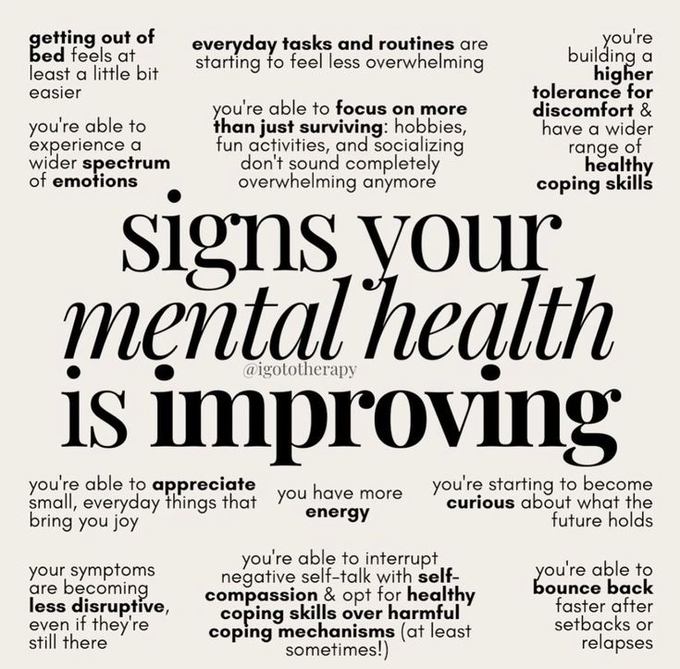
There are ways for us to use artificial intelligence (AI) to support mental health. Post below, please, highlights of any experience you've had with @grok, @perplexity_ai, @ChatGPTapp, @GoogleAI, or other AI "thinking assistants" (i.e., #thinkbots) to support your or someone else's #MentalHealth. "John R. Dallas Jr., a metacognition strategist and founder CEO of @EnclaveAcademy, quotes a post by @ScholarshipfPhd about mental health recovery signs to highlight hidden emotional strains on business leaders, advocating self-assessment and professional metacognition coaching for sustainable well-being. • Dallas emphasizes metacognition—thinking about one's thinking—as a core 'ignition engine' for mental health, linking intellectual humility and regulation to broader societal contributions from innovators. • Peer-reviewed studies, including a 2023 review in Psychological Medicine, confirm metacognitive sensitivity reduces symptoms of disorders like anxiety and depression, supporting Dallas's call for targeted interventions over solo efforts." —Grok4 Take a deep breath. Please. Pause to ThinkToThink™ with #TungstenThinking™, #TetheredThinking™, and other AI-supported #metathinking models from @EnclaveAcademy you can instantly feel drawn to learn and practice. Grateful I am to @ScholarshipfPhd for its prodigious quality posts for the #X Community and other audiences. for the below link to a PDF you too will want to download and study. Come to think of it.™ Right now, what are you thinking about your thinkingness? Post below, please. Thanks. —JRDjr Take a deep breath. Please. Pause to ThinkToThink™ with #TungstenThinking™, #TetheredThinking™, and other AI-supported #metathinking models you can instantly feel drawn to learn and practice to support your mental health. Come to think of it.™
John R Dallas Jr John R Dallas Jr @JohnRDallasJr ·
Business minds and hearts are being psychoemotionally taxed to the max these bombarded days—though mostly in secret. Thinker-doer business leaders (TDBLs) learn to “keep a stiff upper lip”—and move at a fast clip—to mask from others (and themselves) their vulnerabilities and worries. #MentalHealth risks for job-creators, value-generators, and difference-makers require extra measures of self-assessment and professional psychoemotional escavation. Society depends on the mental health of those contributing their intellectual output to the socioeconomic ecosystems of neighborhoods to nations—and the world. Yes, that’s a local-to-global view to focus on what’s yours to think and do to support #MentalHealth. Intellectual curiosity, intellectual humility, and intellectual generosity contribute to mental health. Metacognitive learning, metacognitive knowledge, and metacognitive regulation also support mental health. Metacognition is a mental health “ignition engine.” Don’t think it alone! Retain a metacognition coach, metacognitive therapist, or other metacognition-motivated mind worker to support your “thinking about better thinking”—toward sustainable mental health. Pause. Breathe. #ThinkToThink™ it through. Come to think of it.™
1
3
89