Rishabh Shukla
Rishabh Shukla @Rishabh_RevQ ·
If you are a new consumer brand, 95% of time its better to use rapid delivery services like @zappr_delivery or #Zipee in top cities than to be on #QuickCom QCom is the digital #Kirana of India. Surviving there requires a certain internal scale & PMF Helps optimize Cashflow :)
Vedang Lahoti Vedang Lahoti @LahotiVedang ·
Last week I wanted to order @Munchilicious_ - something I have pretty much every day. I opened Blinkit, and it was out of stock. Instead of switching to another product, I reached out to @DayaDevang (Business Head at Munchilicious) to ask when it might return. Turns out: it was out of stock on Blinkit, but available on their own website with 30-minute delivery through partners like Zappr. This isn’t new, but it feels heavily under-appreciated. We talk a lot about the power of Q-commerce (and it absolutely deserves the credit - discovery, scale, relevance, and impulse behaviour have all exploded because of it). But what’s also true is that brands don’t always have to wait for a QCom listing or fight for visibility to tap into impulse demand. If a brand is stuck, still figuring out QCom operations, or wants to test early demand. Platforms enabling 30-minute website delivery can genuinely change the curve. It gives brands: 1. A pilot channel before QCom 2. A way to test pseudo-demand 3. Independence from the constant in-stock battle 4. And most importantly: direct customer data + control As I build in the coffee space - where 70% of the behaviour is impulse (“I need coffee now”), this is a channel I’m seriously evaluating too. Driving customers to our website while still offering 30-minute delivery changes the entire equation. I’ll write a follow-up on the margin side soon - that’s where things get really interesting. For now, kudos to the 30-minute delivery infra players building the next wave of logistics.

2
2
2.8K
Rishabh Shukla
Rishabh Shukla @Rishabh_RevQ ·
#QuickCom Its 25th Nov today. Aim to get the POs locked in as per discussion with your Qcom POC for Xmas/NewYear sales as it will take 10-14 days for stock to reflect in front end dark stores. Else, you run the risk of getting locked out of "space" in warehouse & dark stores.
72
Rishabh Shukla
Rishabh Shukla @Rishabh_RevQ ·
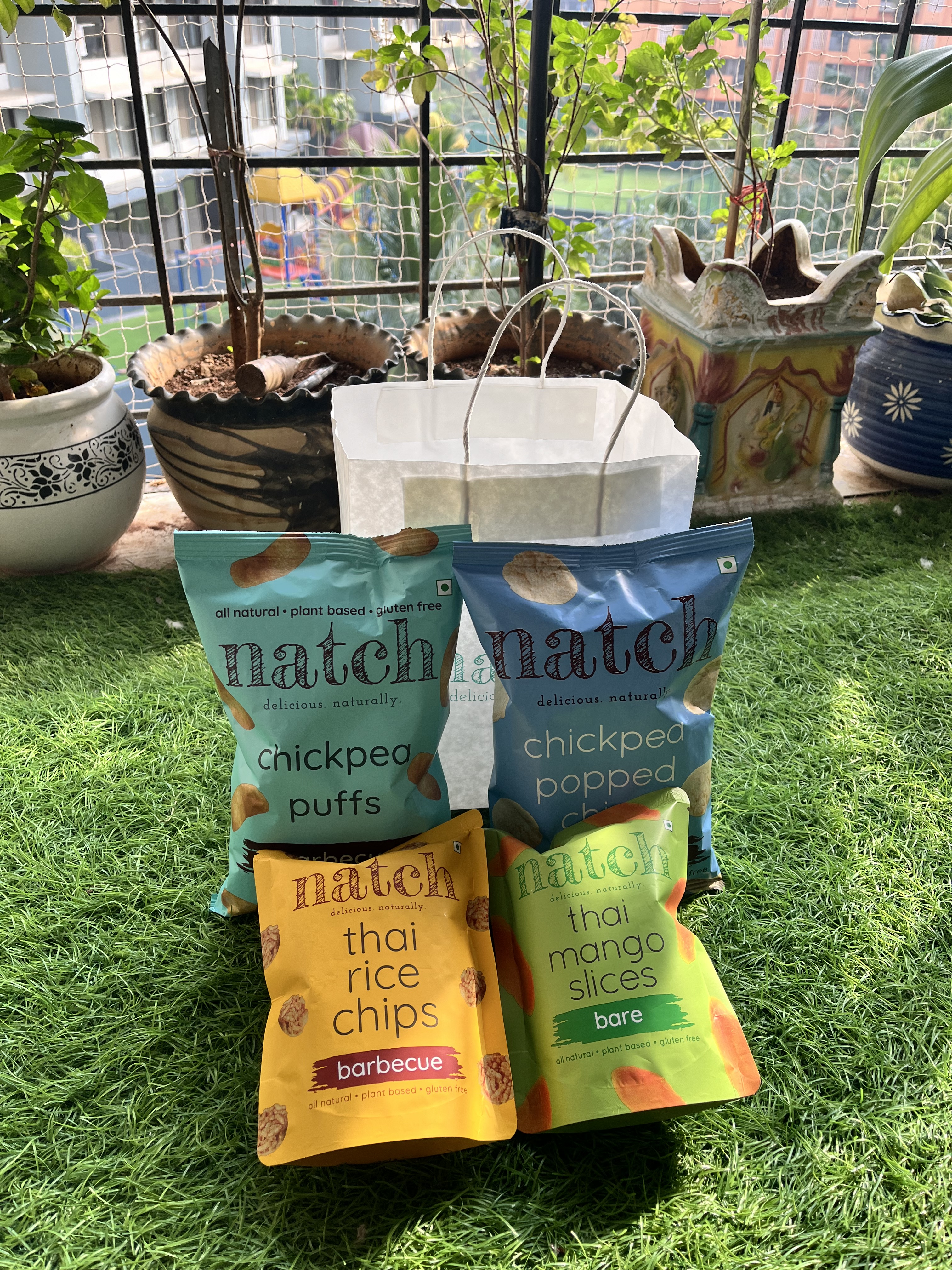
In my research & quest to find interesting products on #QuickCom , came across this brand #natch Good taste & quality; their "Thai" rice crisps / mango slices are actually imported from Thailand! Gotta credit #Instamart for curating really good brands!
182
Tadit Dash
Tadit Dash @taditdash ·
It’s like they’re reading our minds (or tweets!) and placing the products right next door. The algorithm is way too smart these days, spooky but impressive! 👀🤖 #myntra #quickcom
Gajender Yadav Gajender Yadav @imYadav31 ·
Myntra delivered the package in 15 mins 🫨 This is F****** wild.3
388
Rishabh Shukla
Rishabh Shukla @Rishabh_RevQ ·
#Quickcom Ads Tips: Don’t just look at ROAS when looking at campaigns run for ‘product x city’ Also look at the following metrics: 1) CPM for the same product across cities 2) Ad Sales contribution as % of overall Sales across cities for the same product Very Important — Tie it in with your distribution trends in the same cut ‘product x city’ Without this, you are not isolating the impact of distribution & it can lead to wrong inference. You will definitely find optimization opportunities!
1
185
Rishabh Shukla
Rishabh Shukla @Rishabh_RevQ ·
#QuickCom #QcomInsights I was doing a category analysis in the Ghee category (PlinBit x Mumbai) and thought I will share my key takeaways for brand operators: 1️⃣ Reliable availability trumps premium positioning, brand equity and even discounting! 2️⃣ For new premium brands, if you are playing in the sizeable niches in commoditised categories (like A2 Premium Ghee space), then prioritise supply-chain for sales growth over marketing once you are listed on Qcom. 3️⃣ Small pack sizes serve as ideal 'trial packs' for premium brands & cater perfectly to smaller household sizes in metro cities. Clear opportunity for optimising product assortment through Pack & Price. 4️⃣ Regional brands leverage their inherent supply chain advantages, localized decision-making, and deep consumer trust to win in Qcom. 💰As a new age brand, go DEEP in your chosen markets instead of going WIDE, especially if you are already struggling on the Supply side.
209
Rishabh Shukla
Rishabh Shukla @Rishabh_RevQ ·
#QuickCom #QcomInsights Any product available in the market can be viewed from the lens of: "Consumer Pull" vs. "Marketing Push" In my experience of 15+ years with CPG across the world, I have seen enough success stories where the product was "average" as well as failure of "awesome" products. In context of Quick Commerce, this gains even more significance as many brands are shocked with the "winners" or "losers" on the channel. We all understand "Marketing Push" --> its the hustle brands do to make their product available in dark stores in various cities across platforms. It is also the ads run, the pricing strategies executed and the promotions to attract consumers! So what is "Consumer Pull" ? It is the inherent capability of the product to attract & get itself bought. In the offline world, this would translate to: - Does the product/pack standout at shelf/ad (Salience) - Does the product/pack/ad convey what it is in a succinct & clear manner (Communication) - The message communicated, does it make the product a need/want for the consumer and believable enough to deliver on those benefits (Attraction) - Does the price justify its value to the consumer, basis the attraction, and is it easily found in the store (Point of Purchase) - And finally, does the actual product experience live upto the consumer's expectation, and the price point is acceptable for long term repeat (Endurance) Will deep-dive into each of the SCAPE pointers in a later post, but the crux is: How a brand's product performs & executes on the SCAPE framework in the QuickCom context is radically different given the "screen" & "time pressure" Will share more on this tomorrow. Already a long post!
1
234