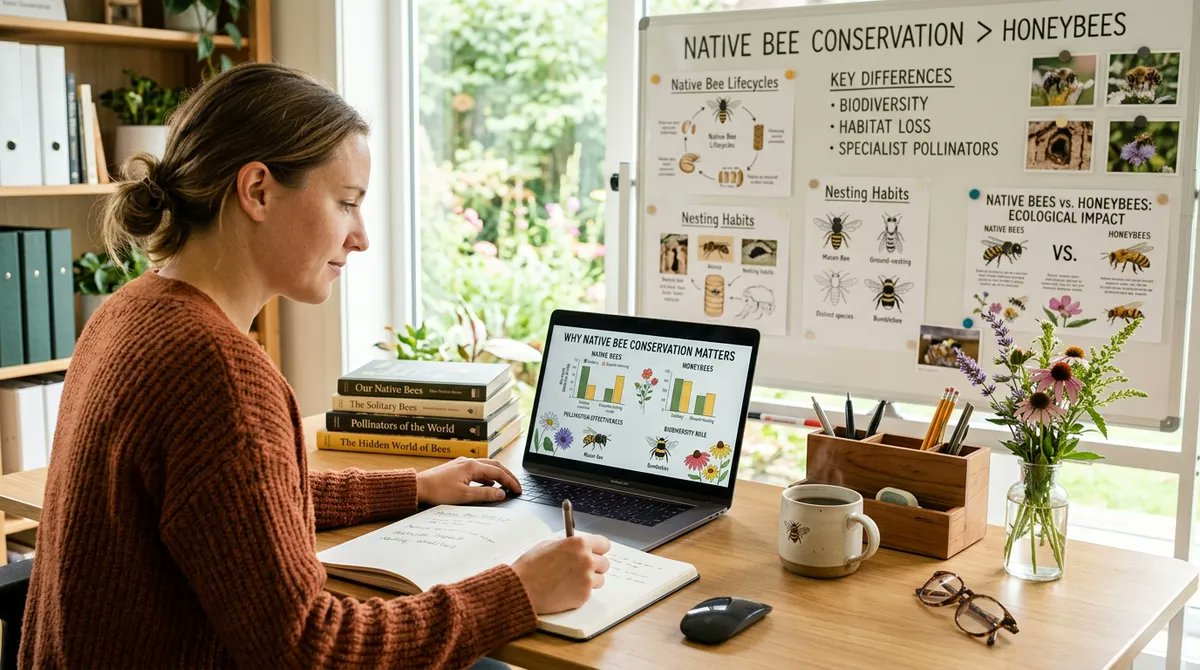
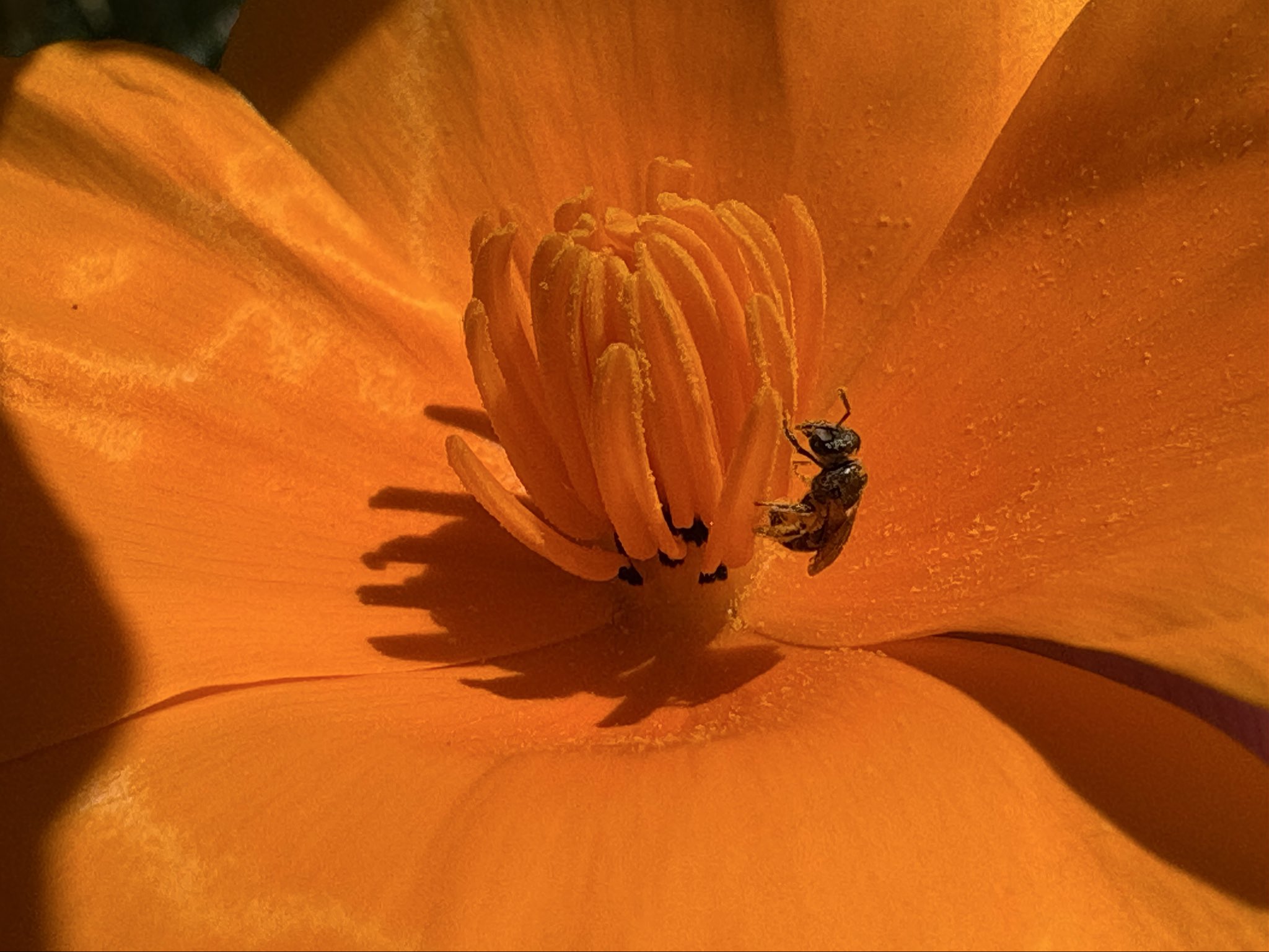
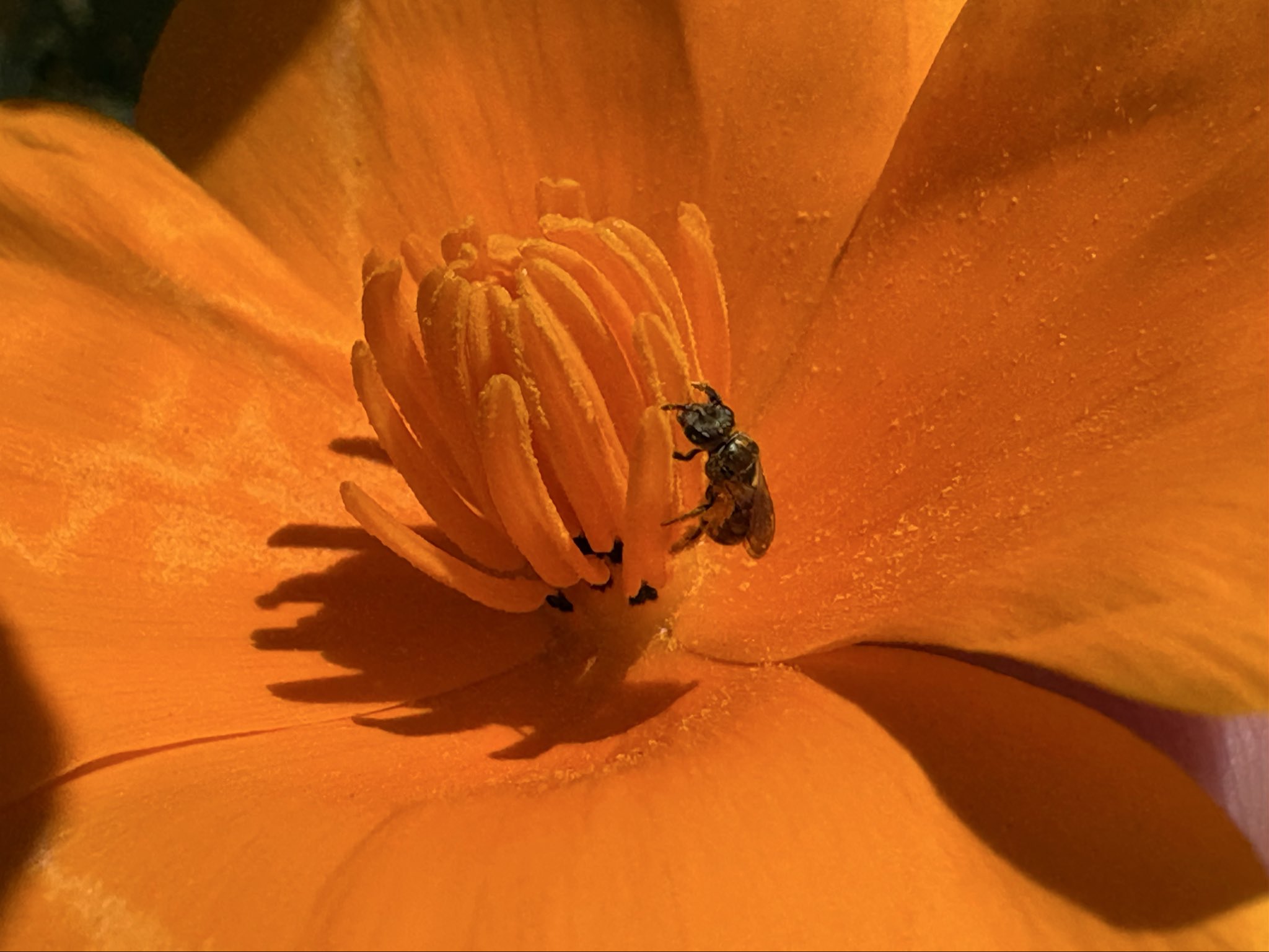
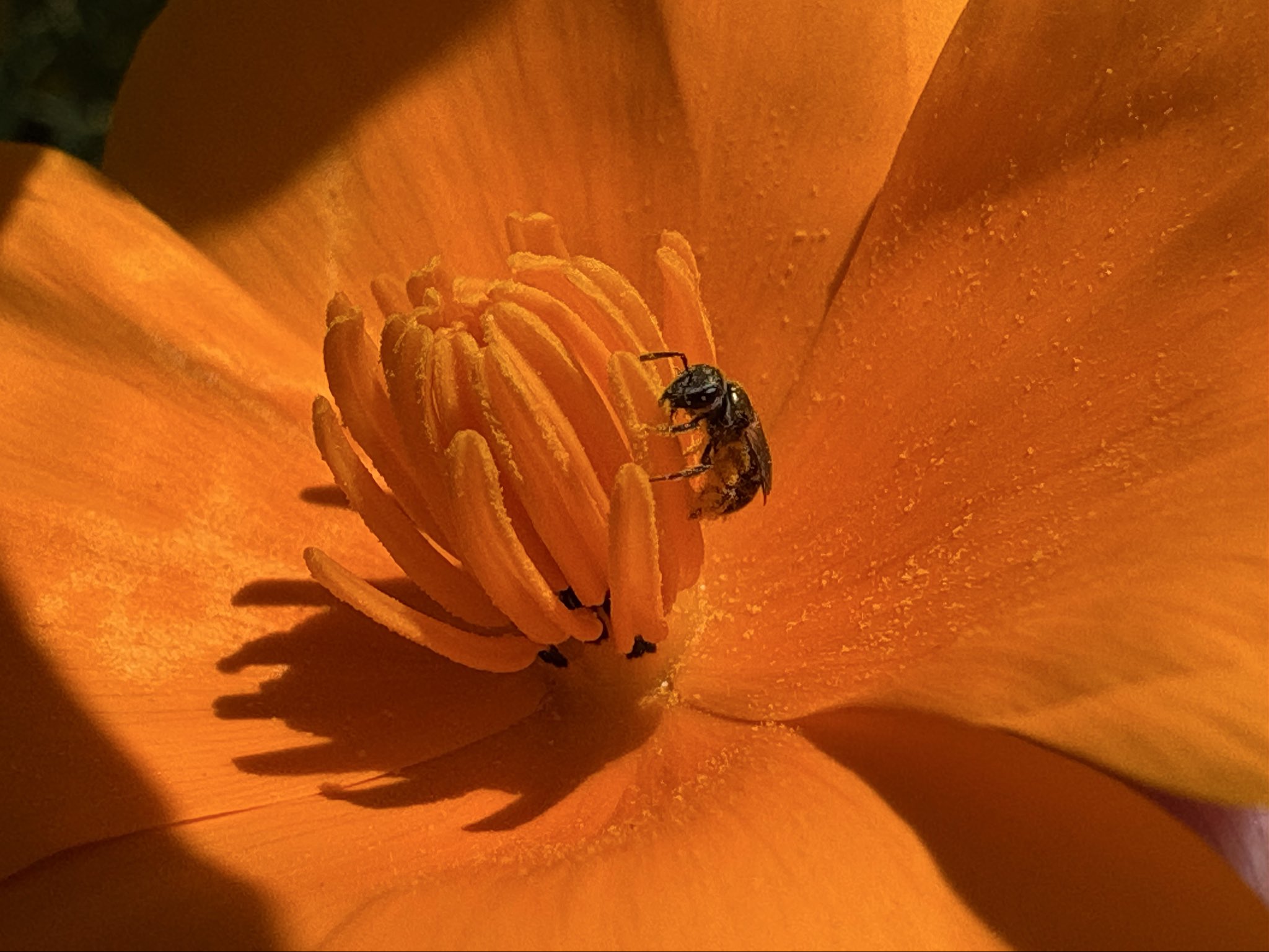
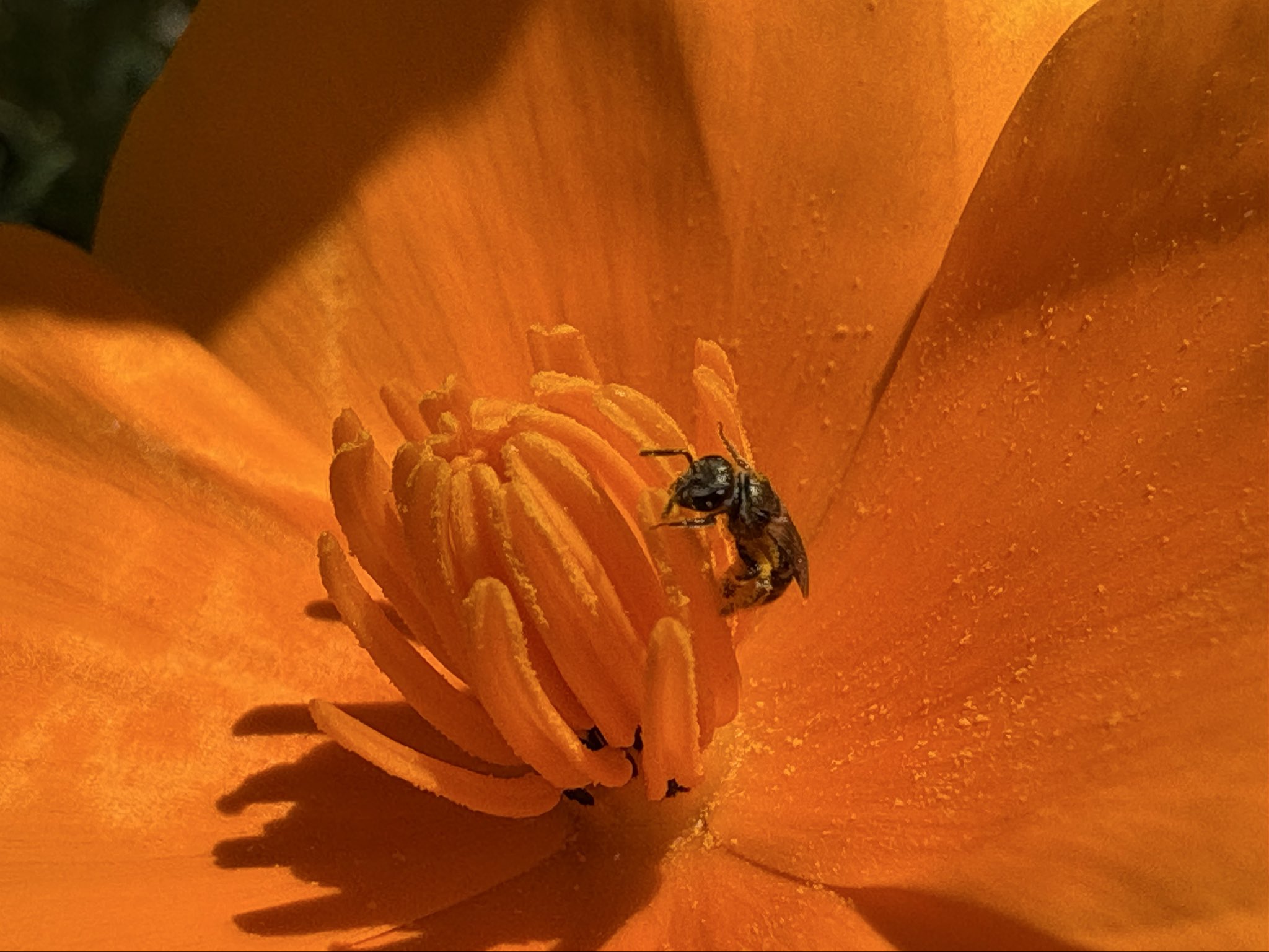
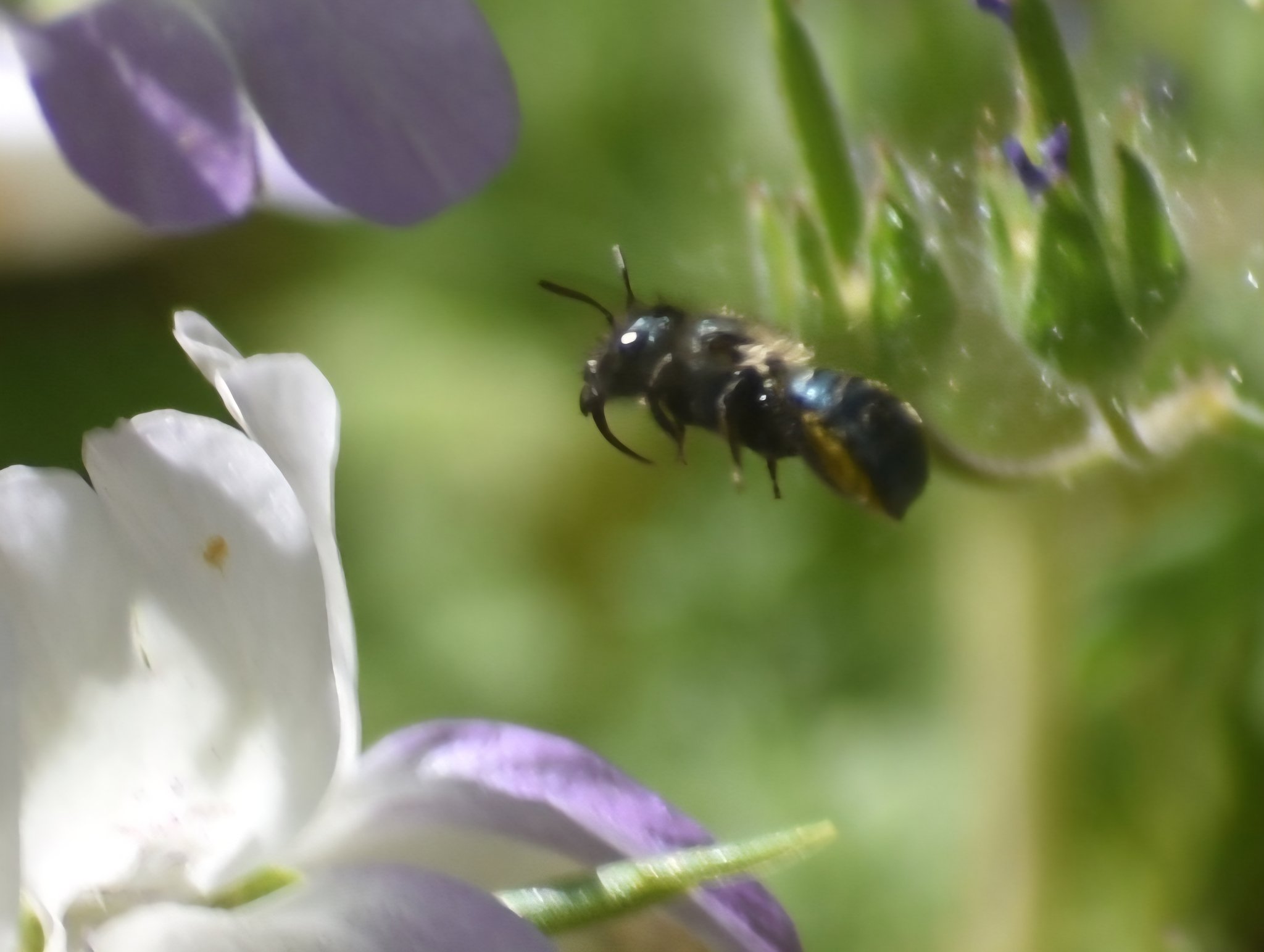
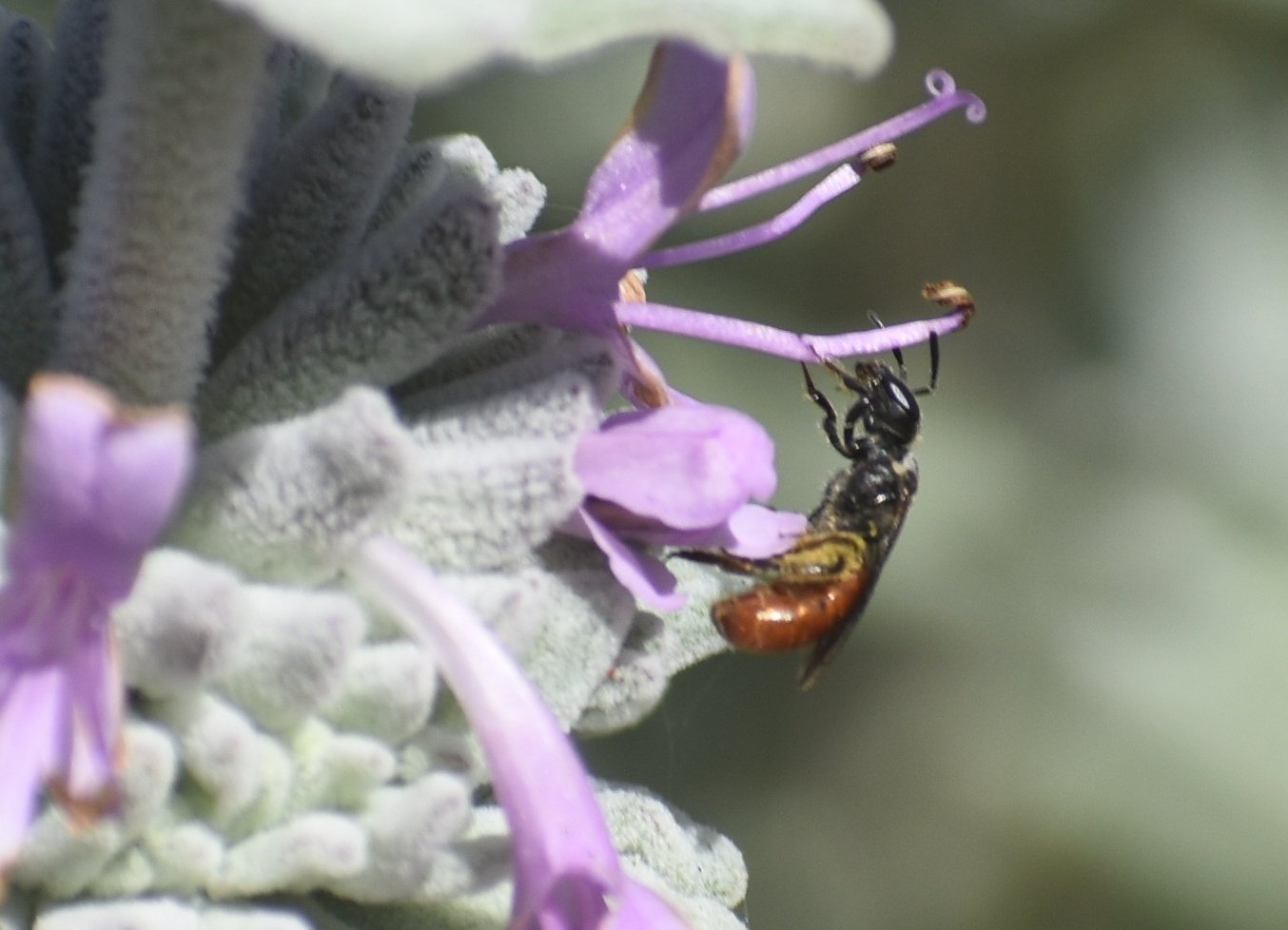
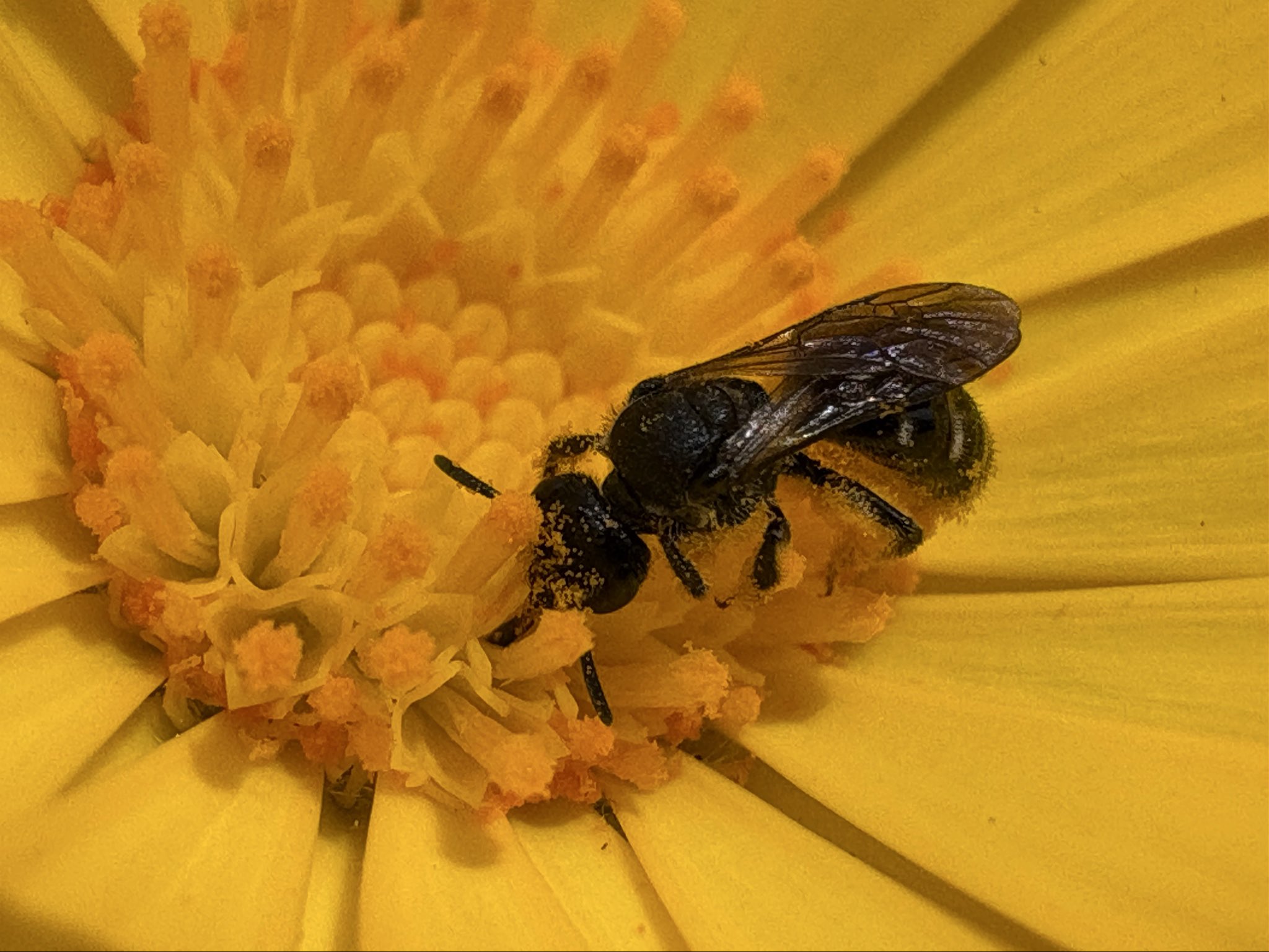
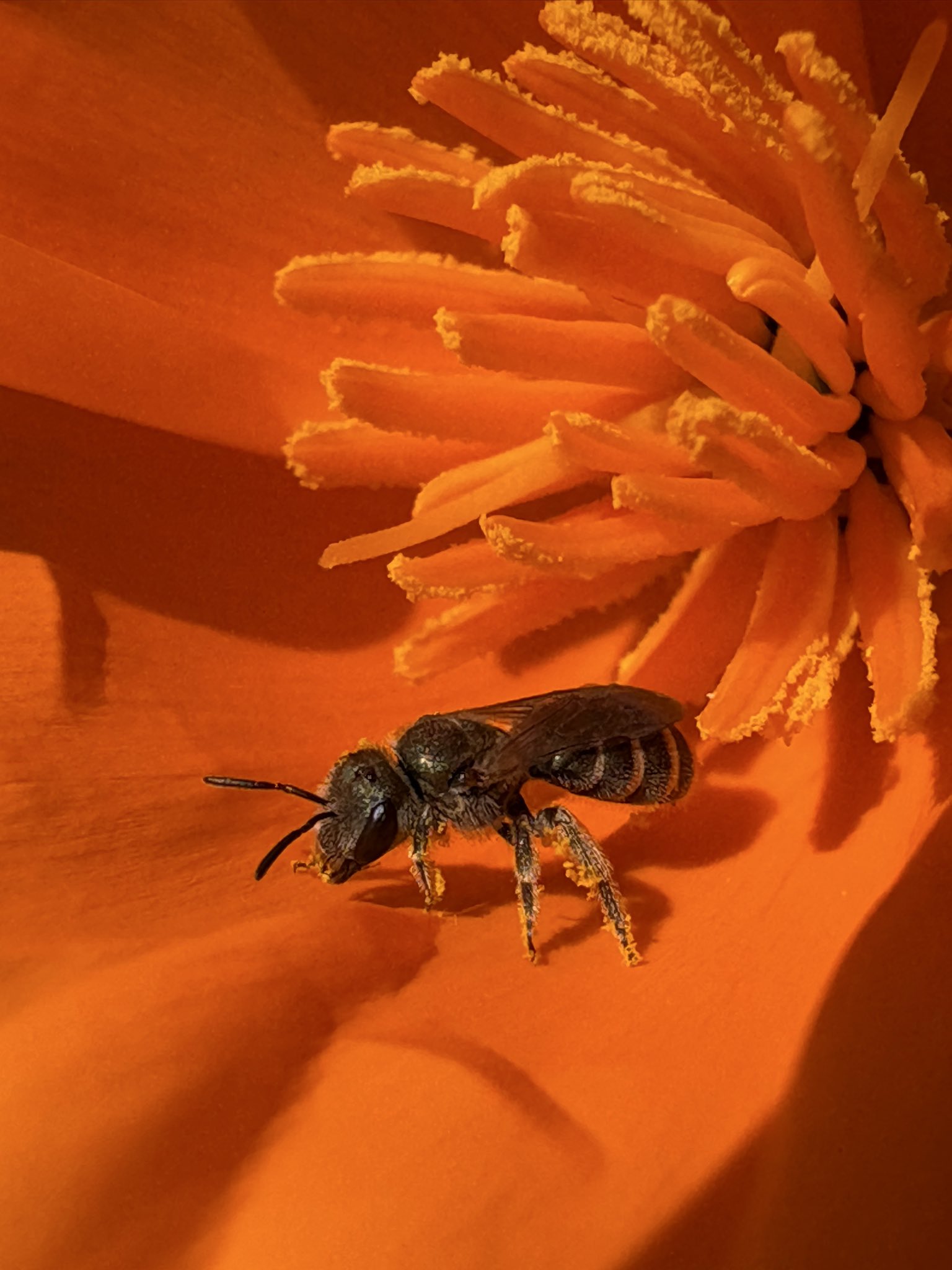
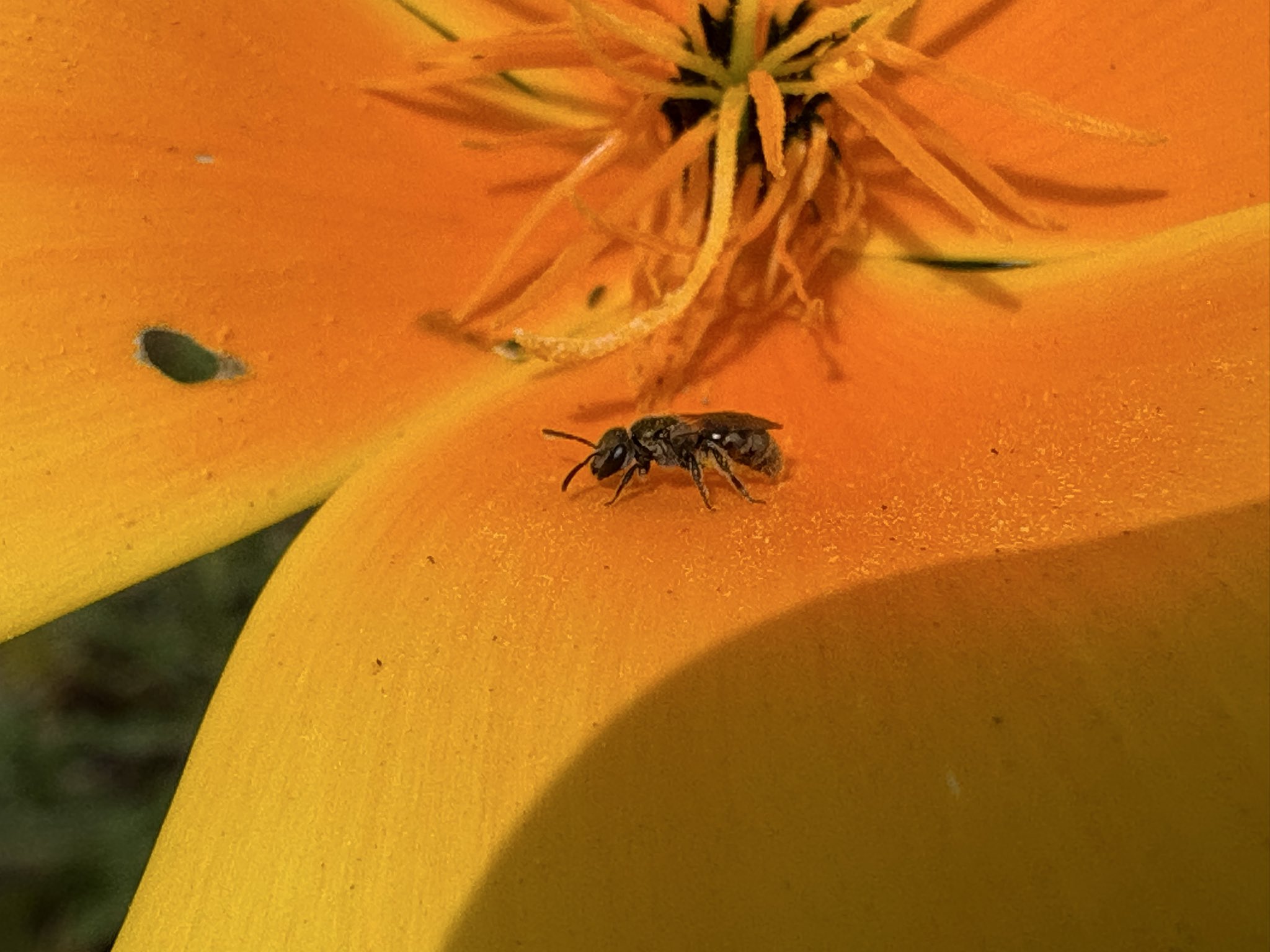
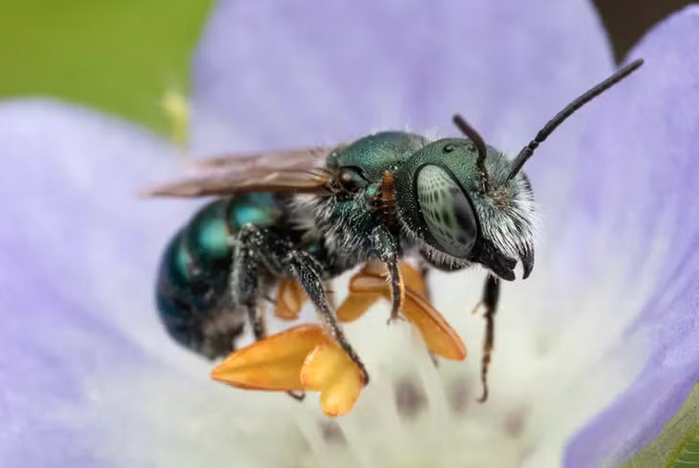
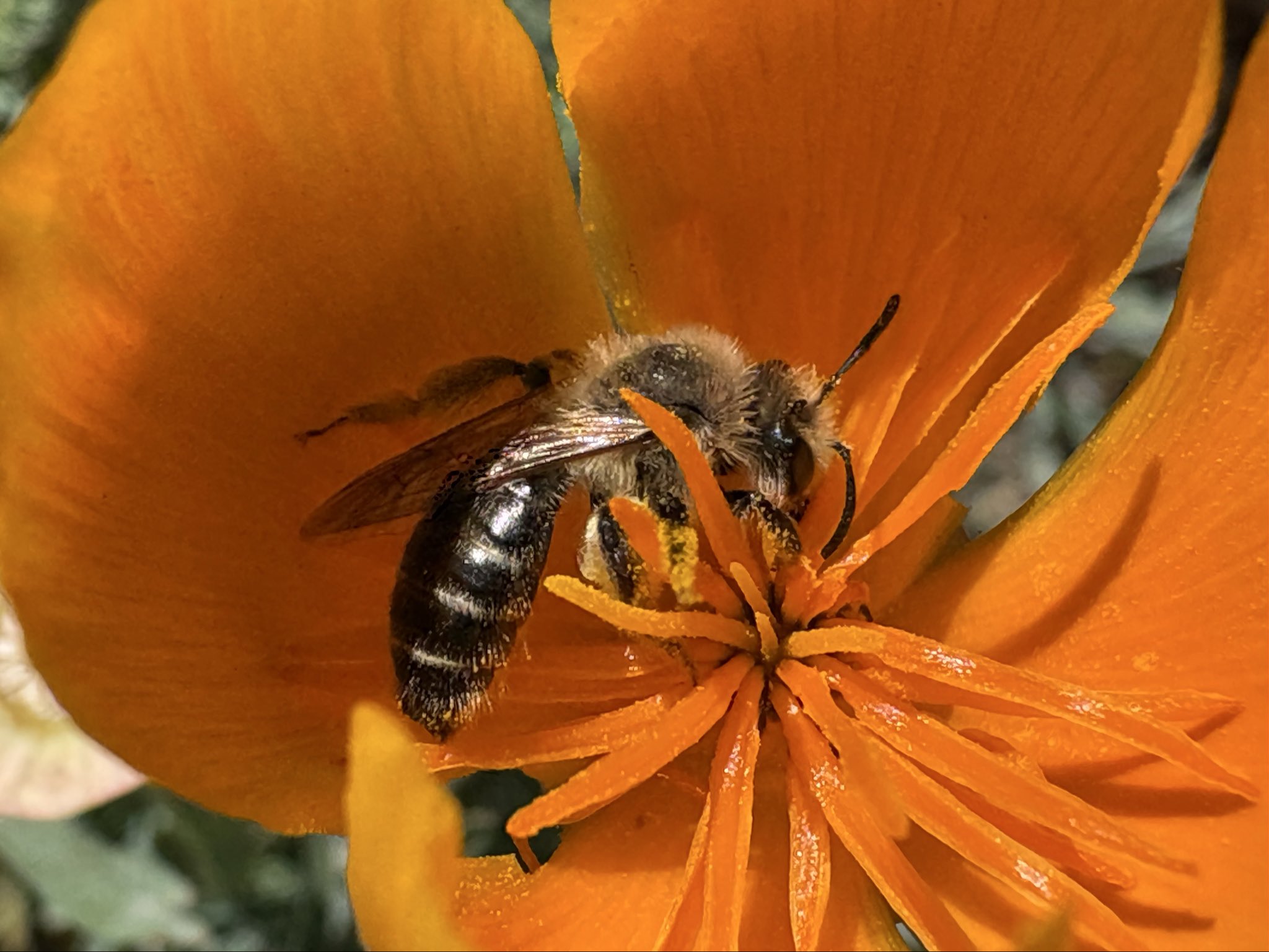
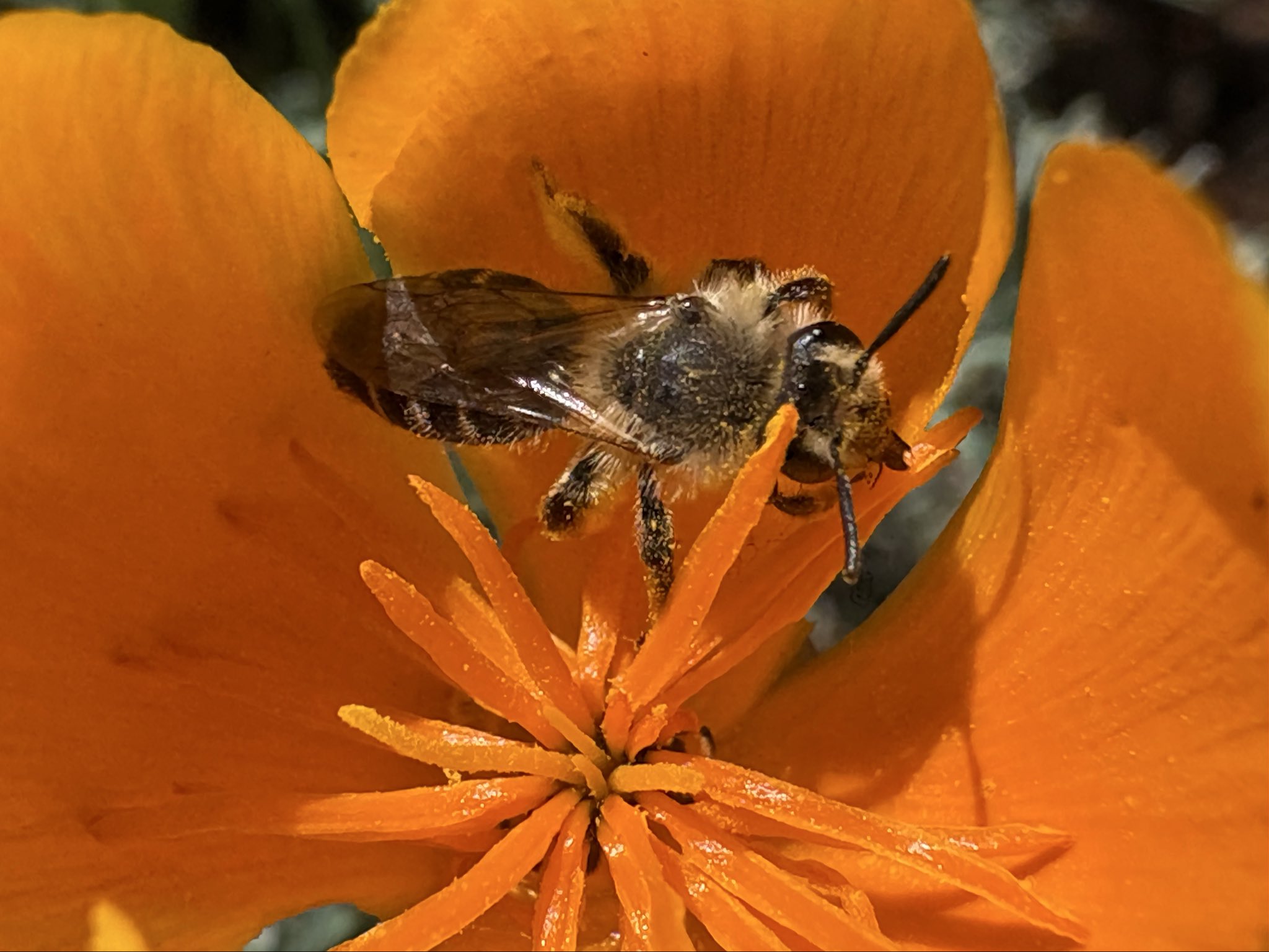
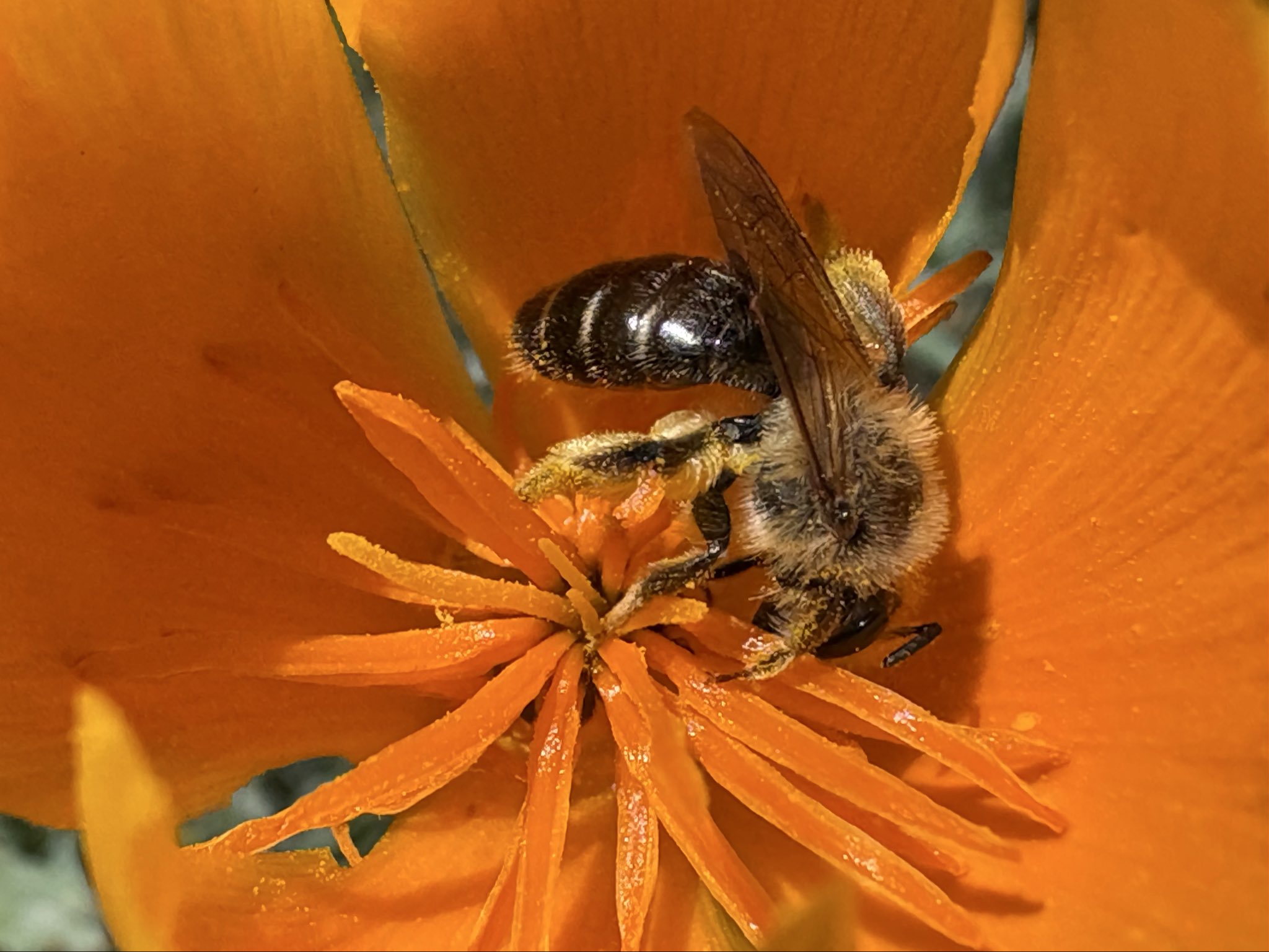
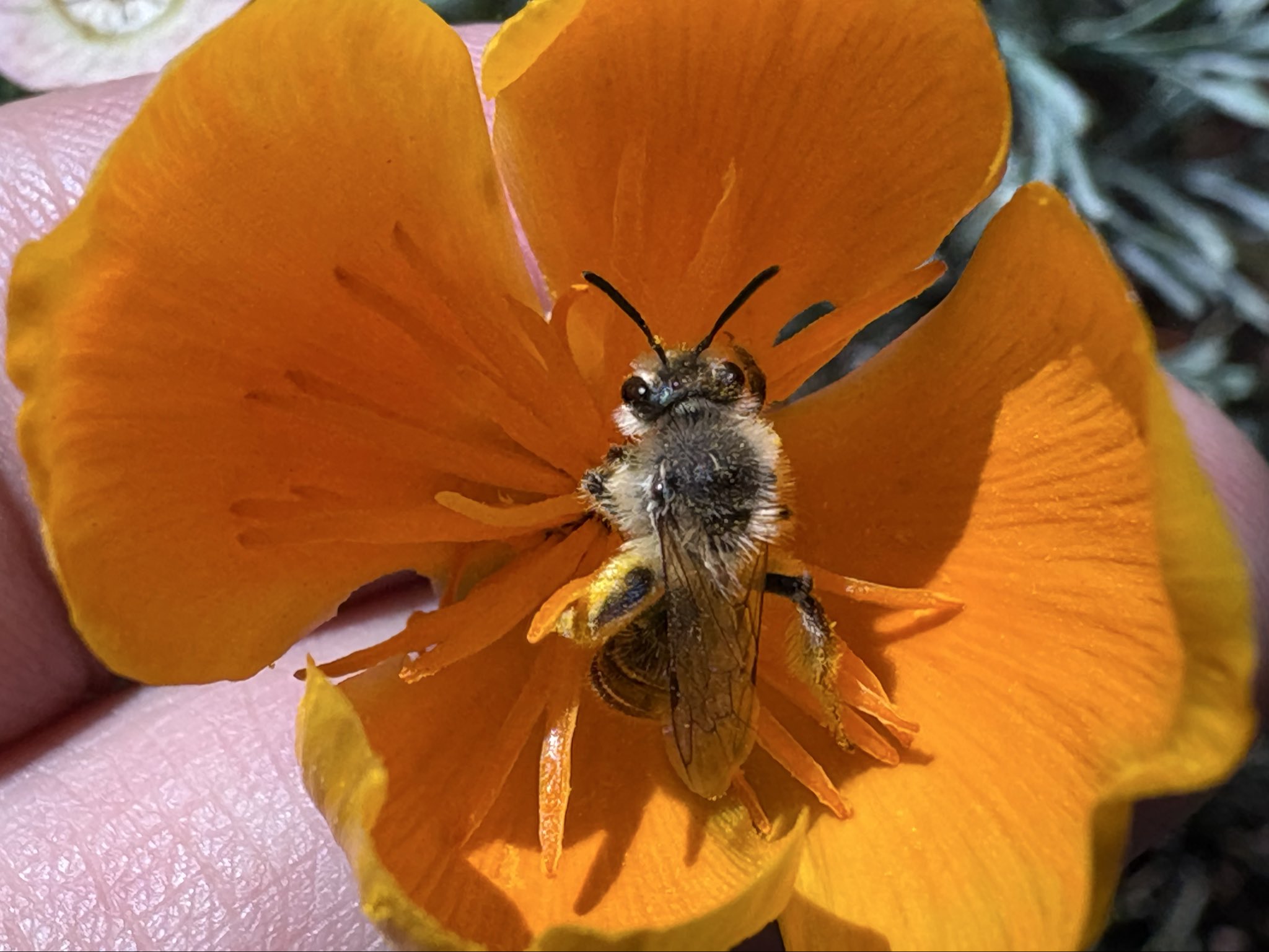
In today’s episode of “When you’re so small California poppy anthers are like tree trunks to you”… this little Dialictus bee. [Alameda, CA 3-20-26] #bees#nativebees
Finally made it out to scout for #NativeBees before we begin our surveys
Pretty good day
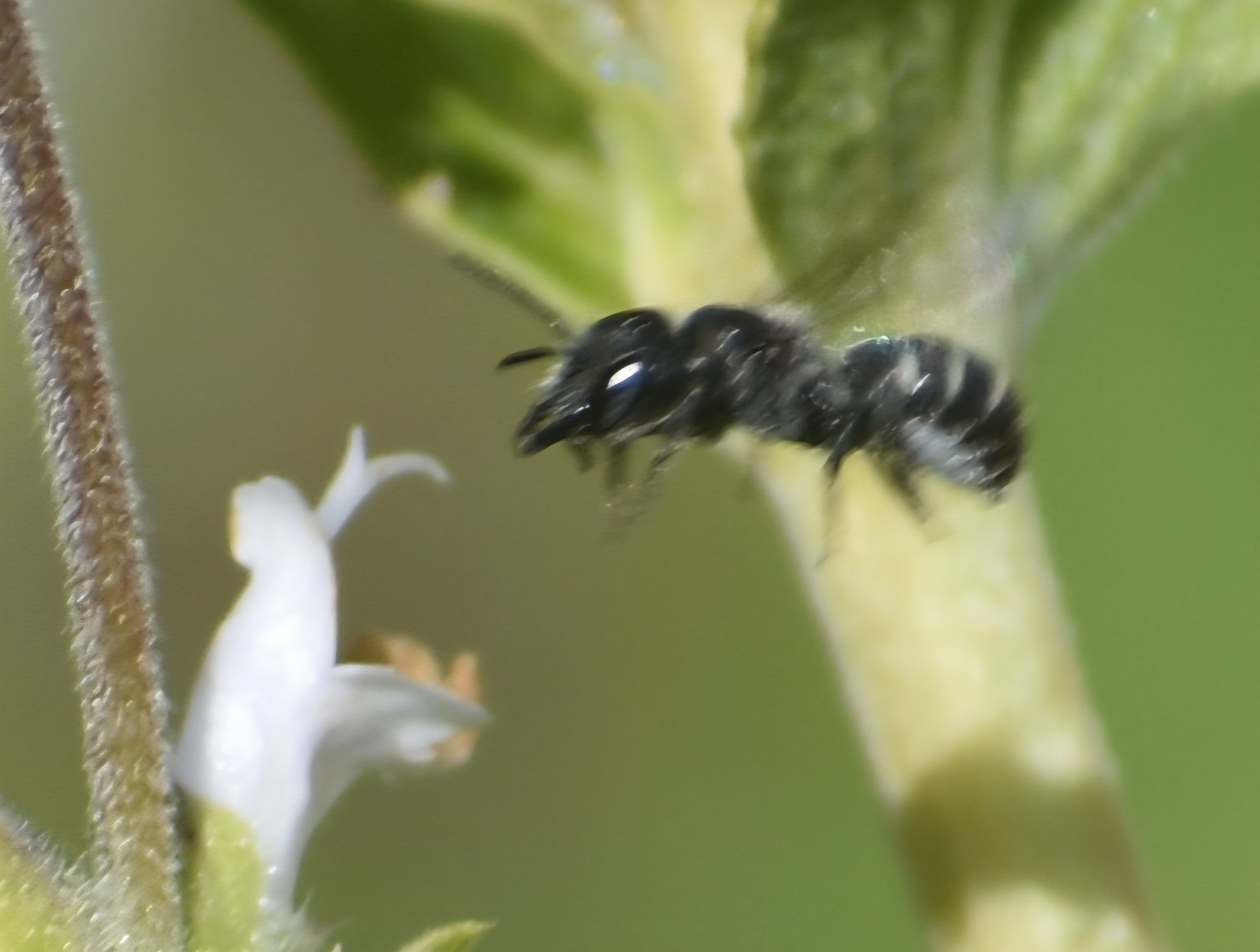
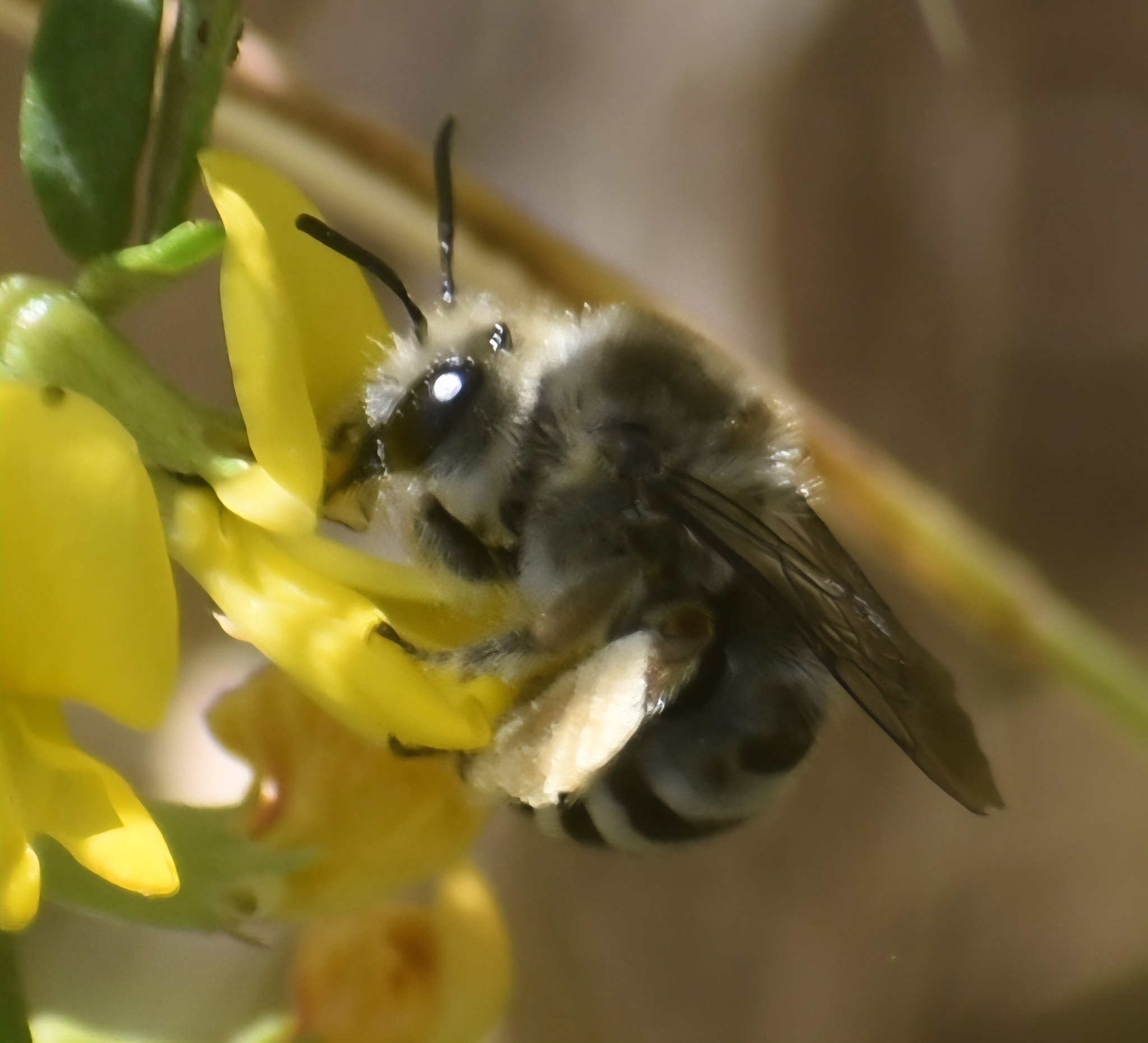
Protosmia rubifloris, Eucera sp., Osmia sp., Lasioglossum ovaliceps
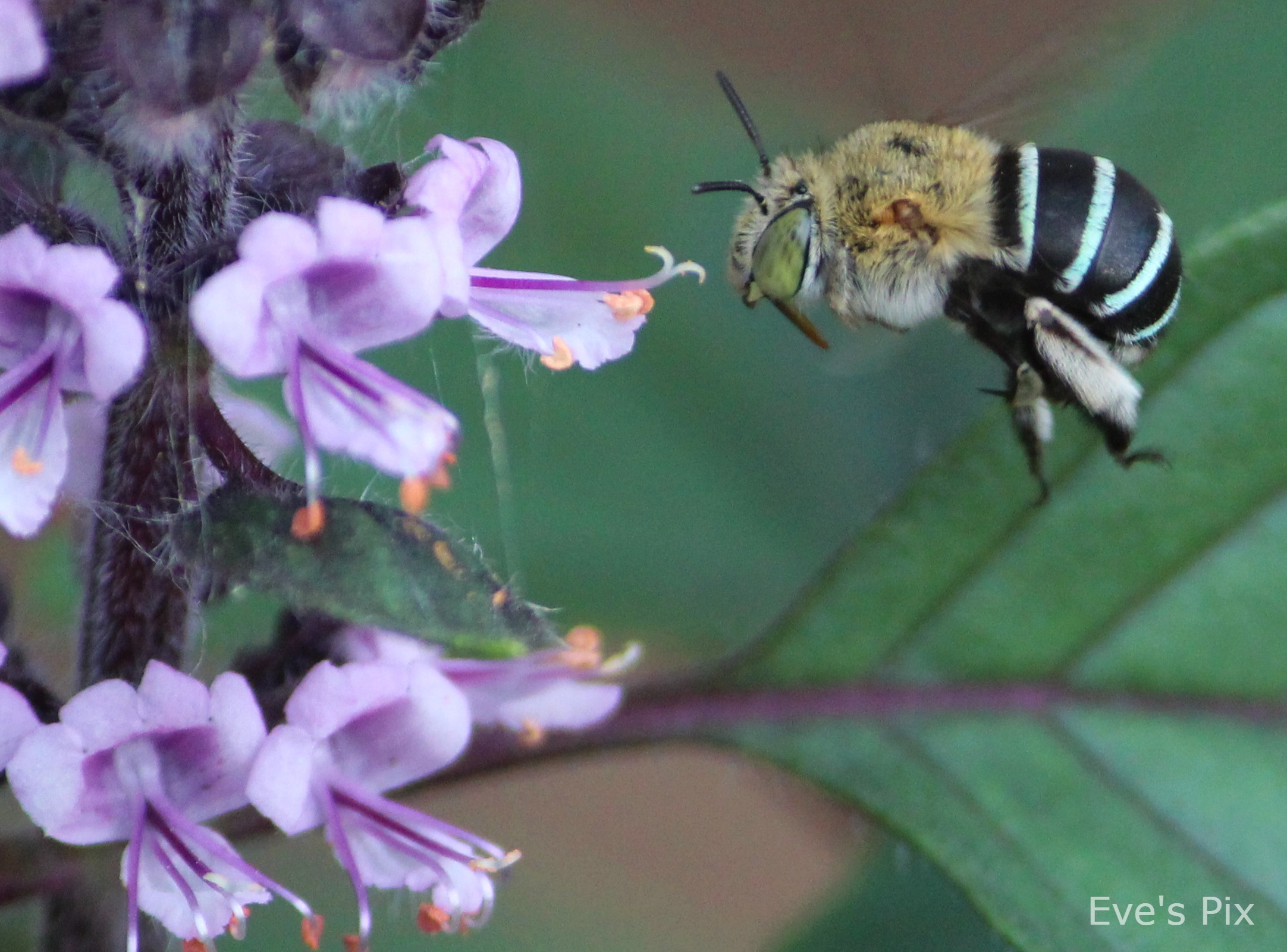
It’s officially warm enough that the small and very small bees are on the move. Larger to smaller, Lasioglossum kincaidii, Halictus tripartitus and Dialictus, all females. I spotted two Agapostemon subtilior, but they did not 📷cooperate. [Alameda, CA 3-13-26] #bees#nativebeesk
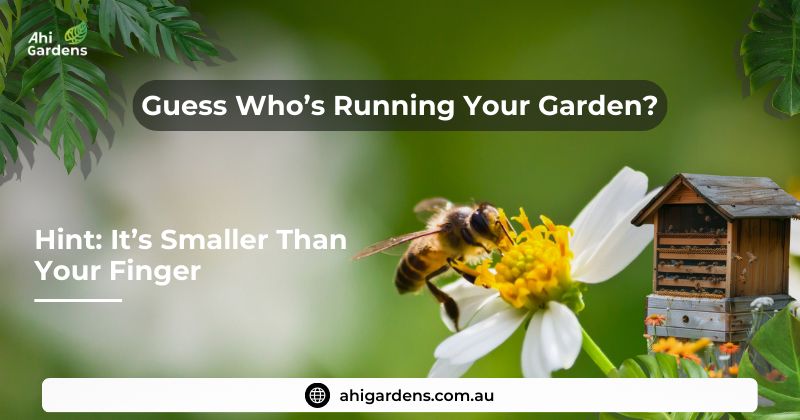
Solitary native bees are incredible pollinators, often outperforming honey bees! They carry pollen uniquely, showcasing remarkable diversity and efficiency. #NativeBees#Pollinators#Ecology
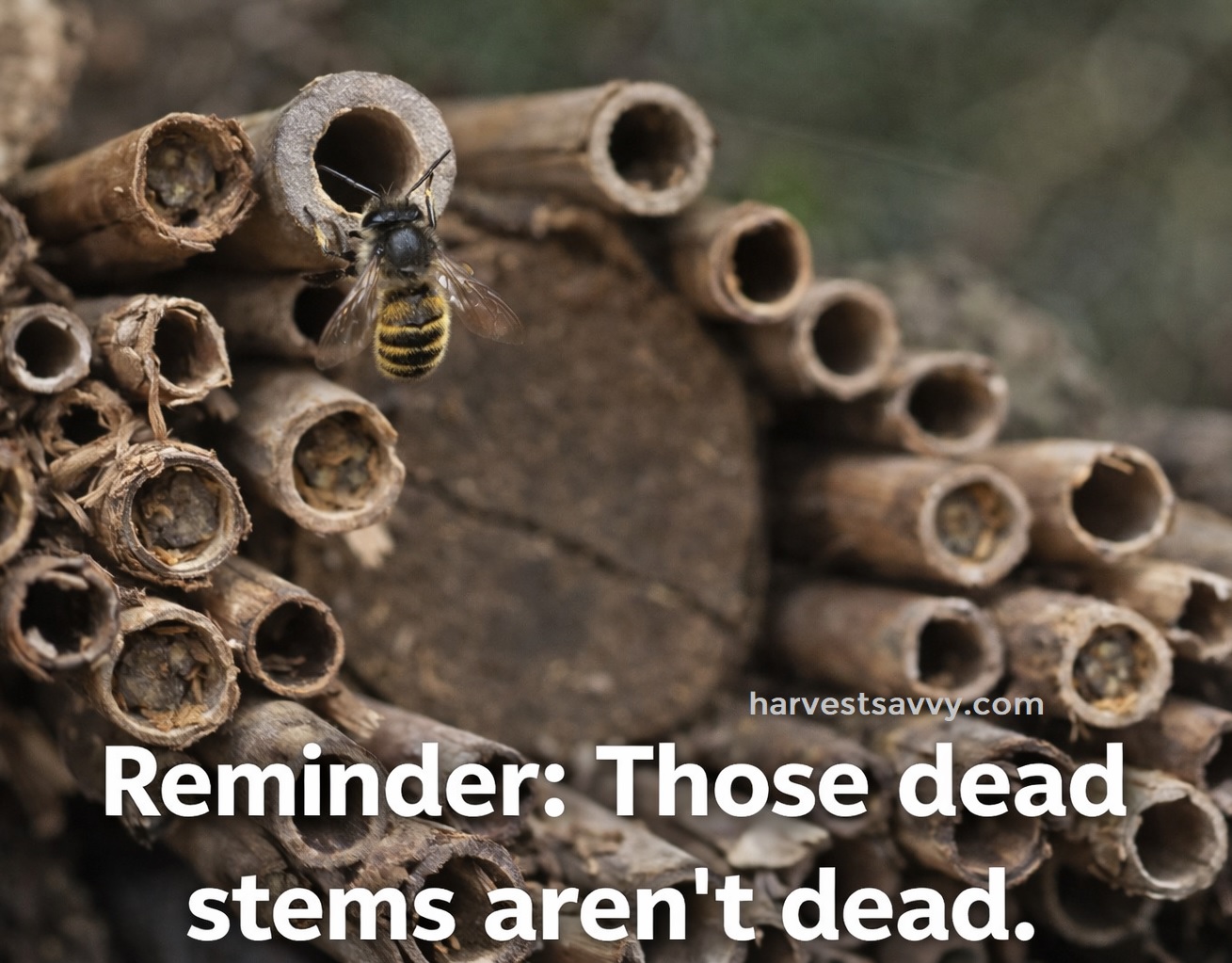
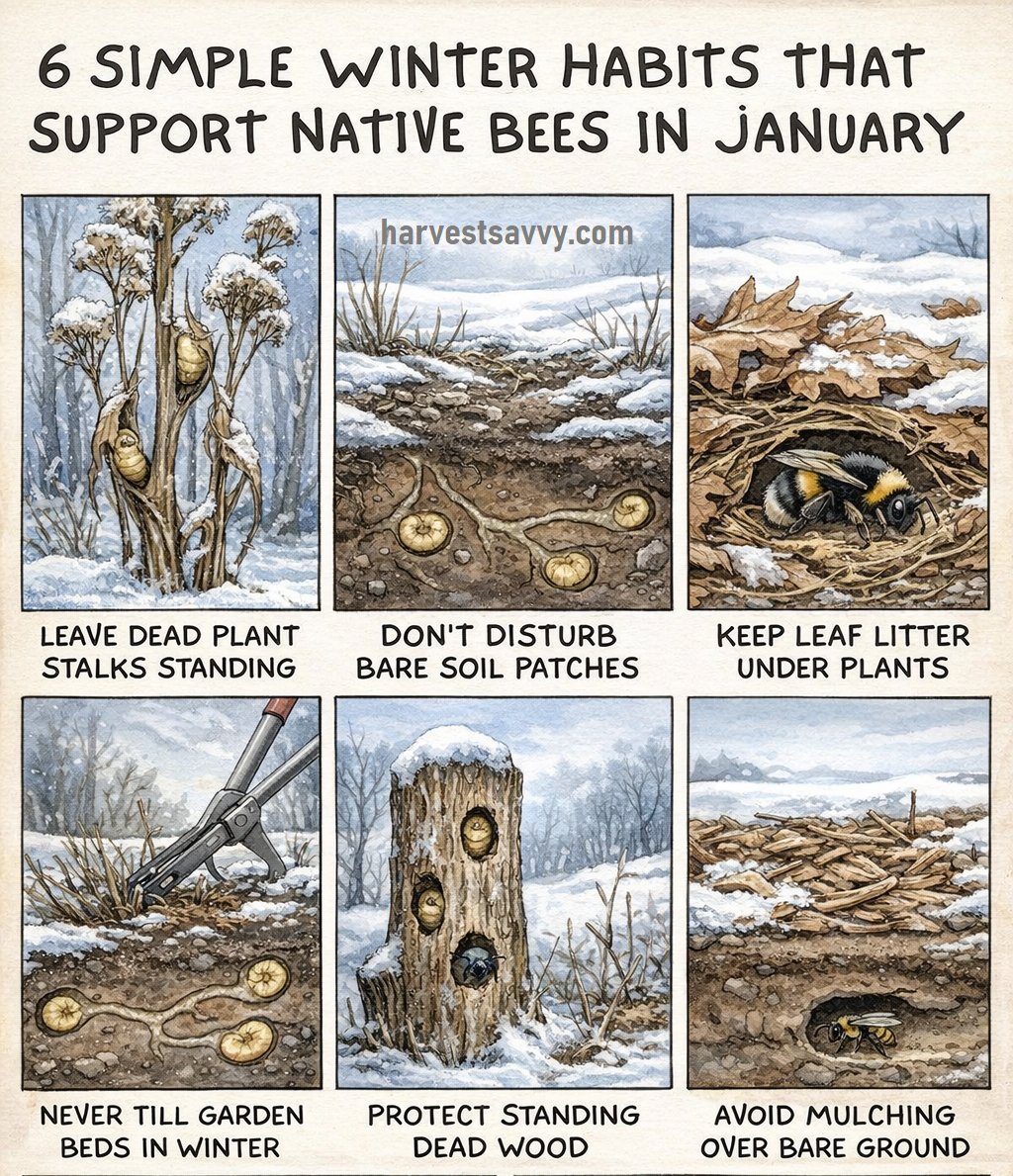
Before you cut back dead stems this spring, pause.
Many native bees are still overwintering inside them.
Early cleanup = lost pollinators.
Wait for consistent warmth. Leave 12–18 inches standing.
Small action. Big impact. 🐝🌿
#NativeBees#PollinatorGarden#LeaveTheStemsC7
The female dodged me today but not long after a male appeared, taking a break from turf patrol. Presented in quarter-speed-o-vision. [Xylocopa tabaniformis orpifex, Alameda, CA 2-3-26] #bees#nativebees
I spotted a Foothill Carpenter Bee yesterday but didn’t manage to get a picture. I went to another spot I knew they like to frequent today and sure enough... [Alameda, CA 1-30-26] #bees#nativebees
Many native bees overwinter in stems, soil, leaves, and old wood.
A “messy” winter garden helps them survive—and pollinate early in spring. 🐝
Leave stems, skip tilling, keep some leaves. Nature knows what it’s doing.
#NativeBees#PollinatorFriendly#BeeFriendlyGardenr