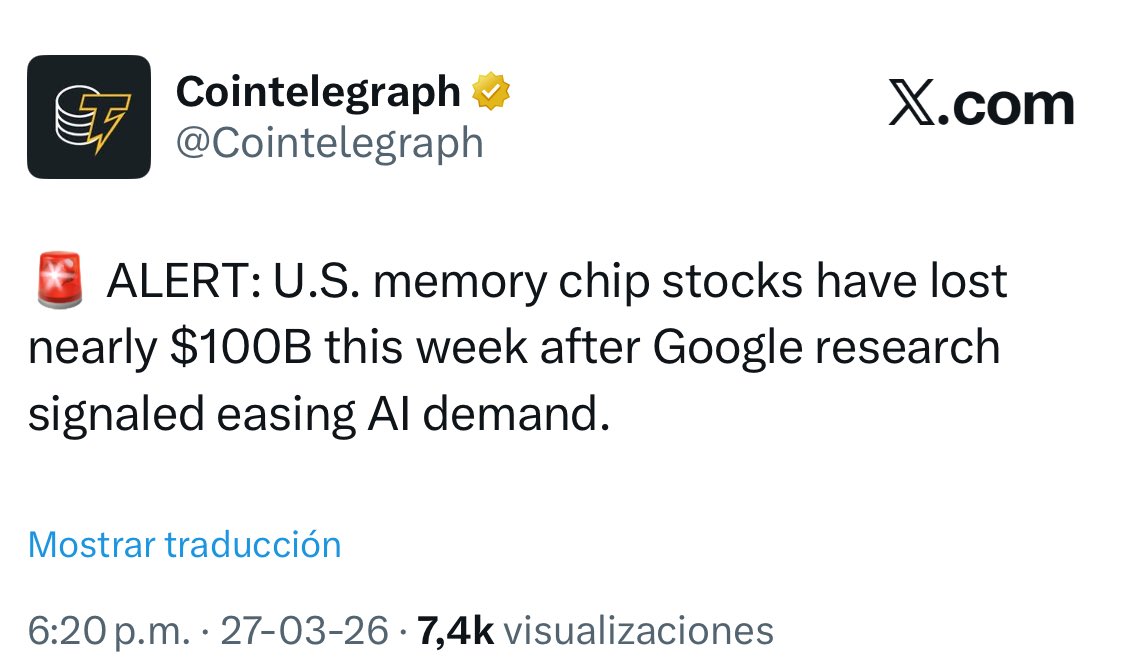
What becomes increasingly visible in the current AI cycle is that part of modern tech valuation no longer expands only through external demand.
A significant portion now circulates internally.
Microsoft funds OpenAI. OpenAI consumes Microsoft infrastructure. That infrastructure ues. Cloud revenues reinforce market valuation. Valuation enables larger commitments across the same ecosystem.
The same dynamic extends across chips, foundries, and industrial hardware: compute demand pushes GPUs, GPUs reinforce foundries, foundries reinforce equipment makers, while hyperscalers continue absorbing massive capital expenditure.
It is a loop. And loops that reinforce themselves often appear unbreakable from the inside.
At the same time, a deeper asymmetry remains.
Many AI interactions still appear economically underpriced relative to their real infrastructure cost. Each prompt consumes compute, energy, memory, cooling, and bandwidth.
Which means a significant part of current usage is not fully explained by immediate profitability, but by capital willing to absorb present cost in exchange for future strategic dependence.
That is the logic of utility introduction: make intelligence cheap enough to become habit before pricing it fully.
Because once intelligence becomes structurally integrated into work, writing, search, and daily cognition, pricing stops resembling software. It begins resembling electricity: continuously accessed, structurally assumed, difficult to abandon.
And because that intelligence depends on energy-intensive compute, another layer begins to emerge quietly beneath the visible one.
The future may not simply divide who generates intelligence.
It may divide which infrastructure that intelligence ultimately inhabits.
One model is currently reinforced by capital concentration, industrial visibility, and political momentum. It is loud, legible, and already heavily reinforced by its own internal flows.
Another remains largely outside that reinforcement loop: not amplified by hyperscaler capital rotation, not aligned with current strategic subsidy, not yet fully priced inside the dominant narrative.
That is where
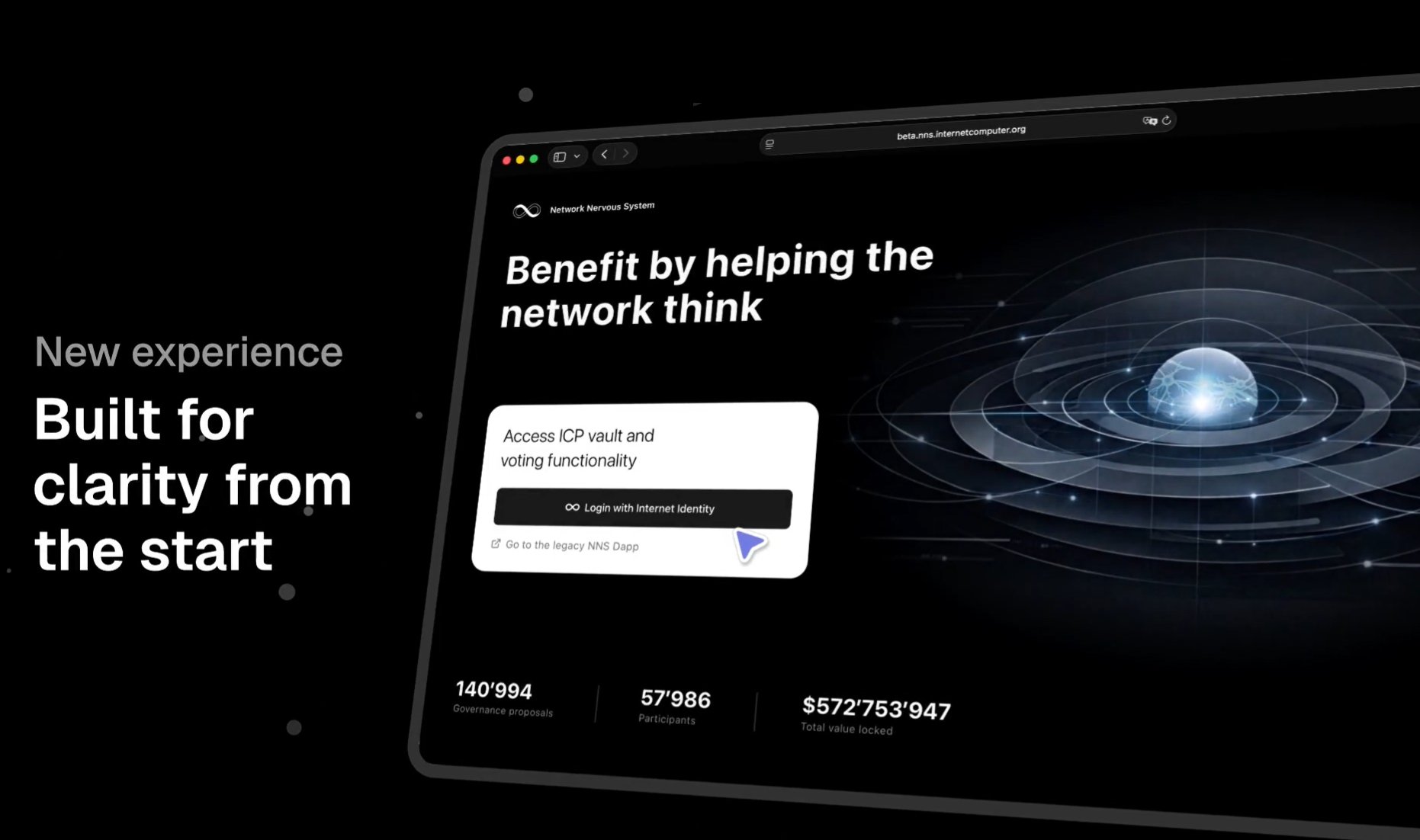
#InternetComputer becomes structurally relevant: not as a participant in the current hyperscaler cycle, but as the only full-stack execution architecture built entirely outside it — sovereign computation without concentrated dependency — already running.
Which creates a structural asymmetry markets have not yet resolved.
Two future computational architectures. Not yet evaluated under comparable assumptions.
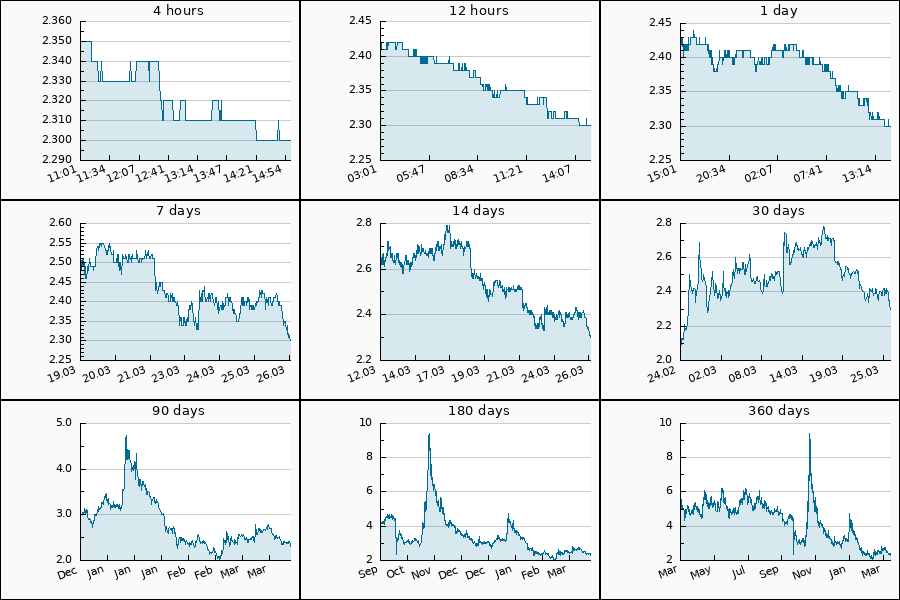
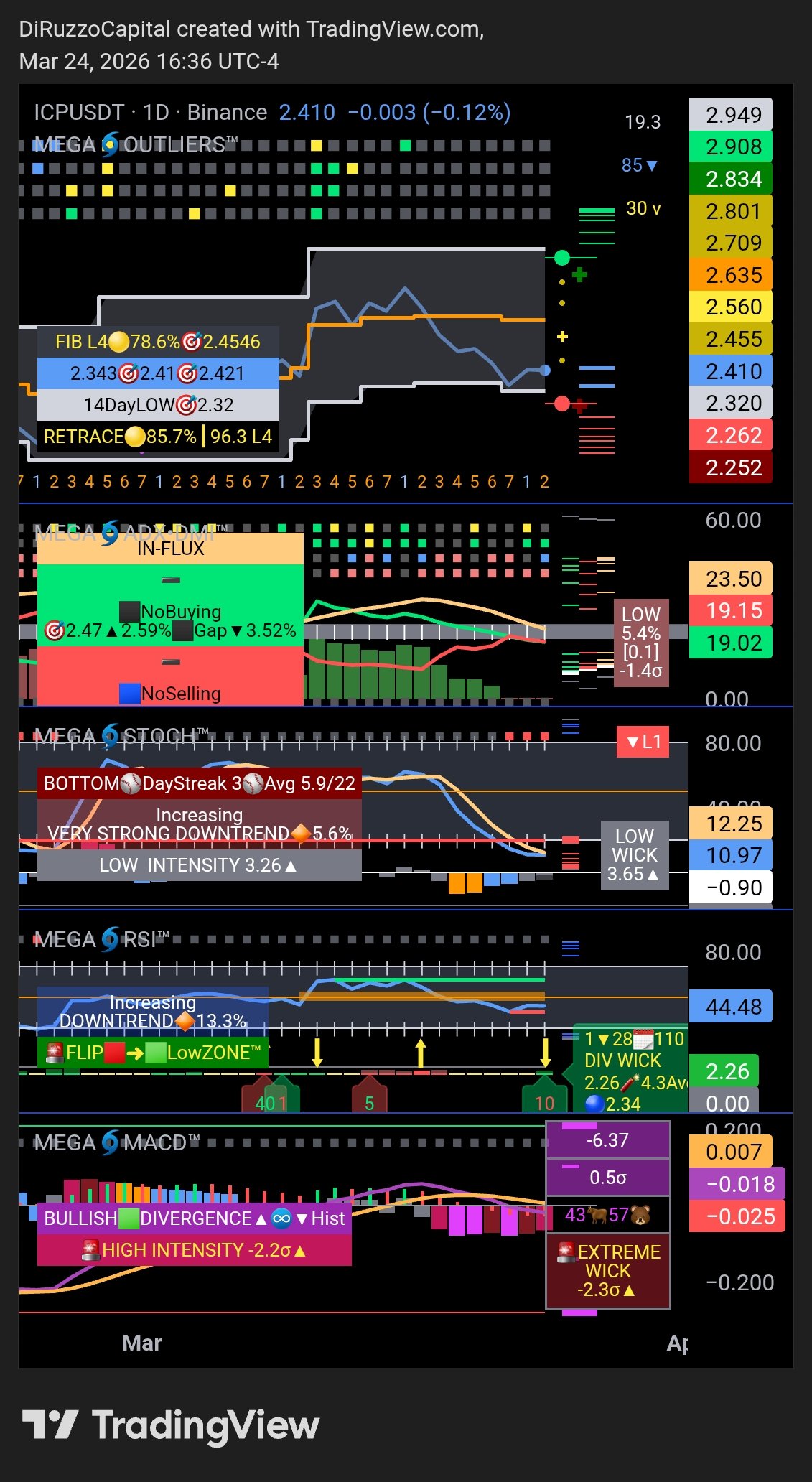
History suggests that infrastructure valued late often compounds hardest once dependency arrives.
Because when dependency hardens, markets rarely reward what was most visible first.
They reward what became structurally impossible to remove. ∞
#ICP
#WorldComputer #SovereignCompute