Mian Zubair
Mian Zubair @zubairm_ ·
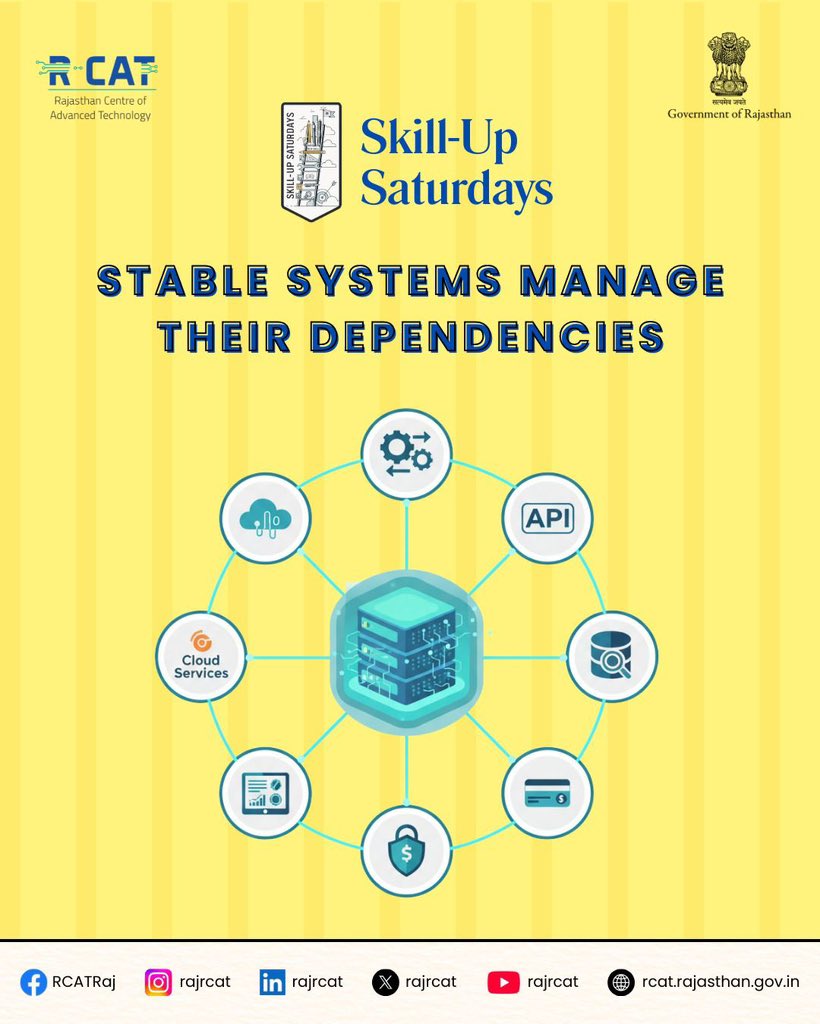
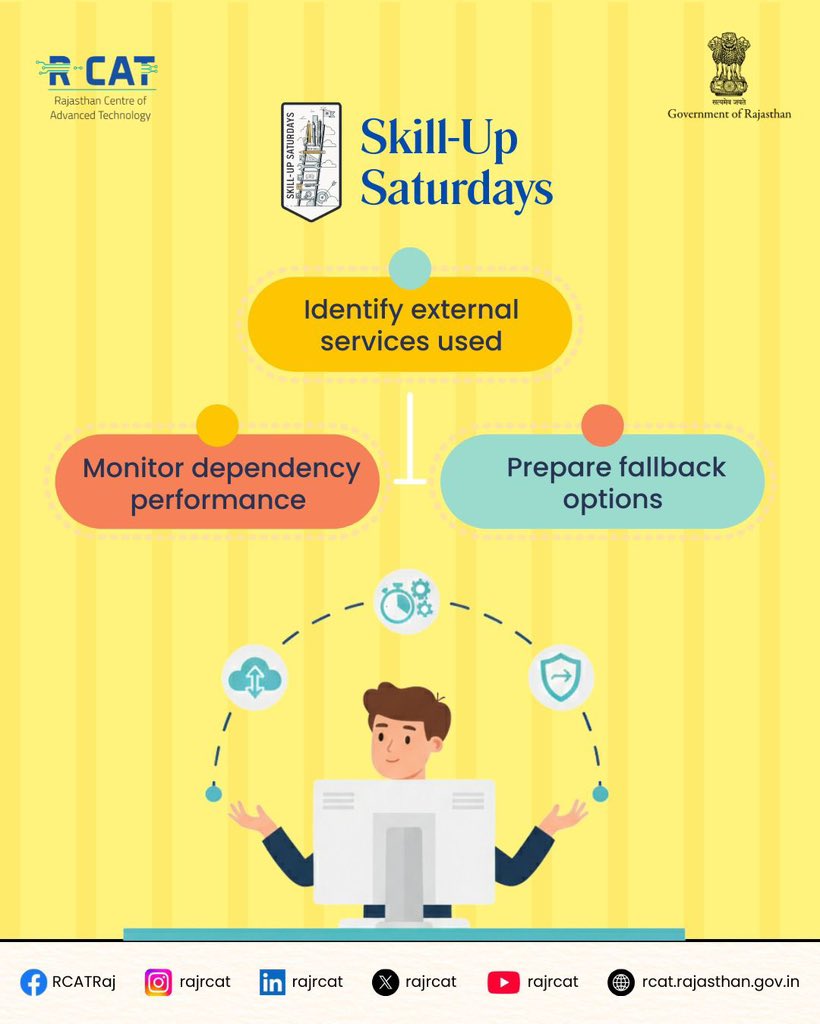
The difference between a junior and senior engineer isn't the code they write. It's how they set up the system before writing any code. Circuit breakers on day one. Not after the outage. #SystemDesign
2

Sumit Kandpal
Sumit Kandpal @sumitkandpal_ ·
🚀 System Design Day 1 System Design = building apps that handle many users. Flow: User → Server → DB → Server → User Goals: Fast • Scalable • Reliable Learning in public! #SystemDesign #100DaysOfCode
2
16
Rohan Mehta
Rohan Mehta @RohanM0190 ·
Ancient architects built for 1,000 years. Modern devs build for the next sprint. We need to find the middle ground for the future of finance. 🏛️⛓️ #SystemDesign #Architecture
1
Supaboard.dev
Supaboard.dev @supaboardapp ·
How would you design a fraud detection system for 1M transactions per day? Think about: scoring in under 50ms without blocking payments, adapting to new fraud patterns your model hasn't seen, and keeping false positive rates below 0.1%. What's your approach? #systemdesign
3
Rupam Das
Rupam Das @Rupam_irp ·
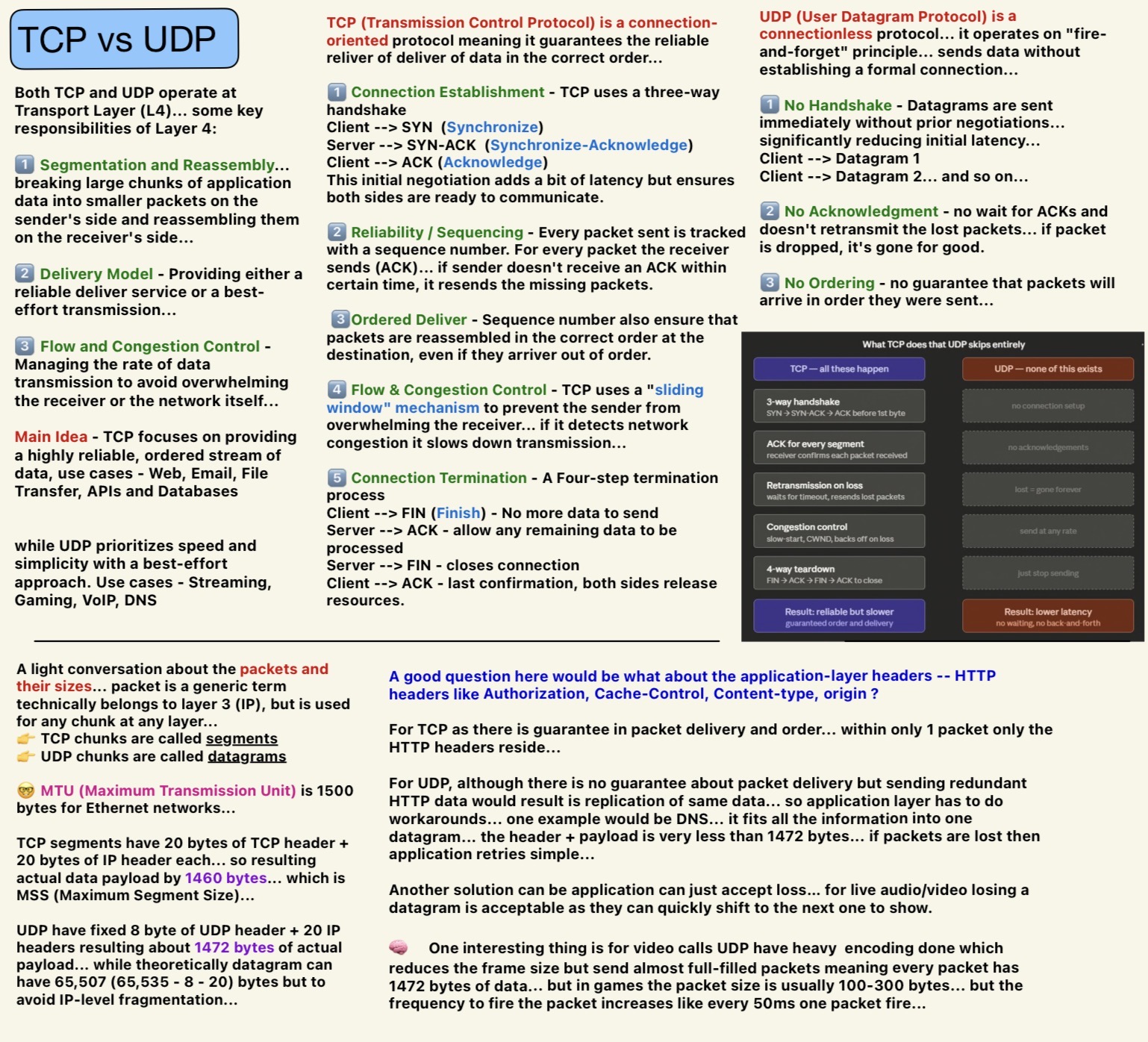
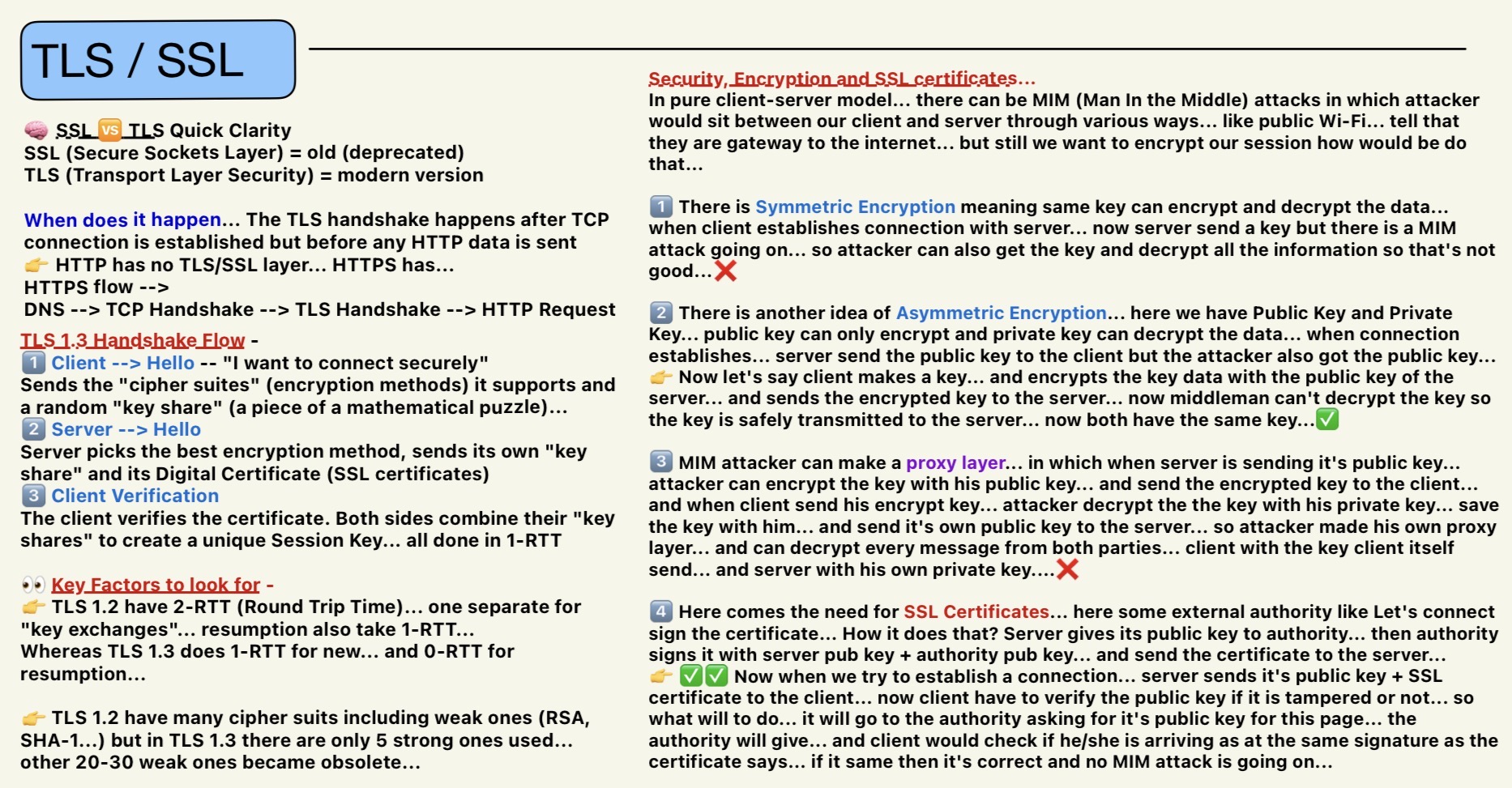
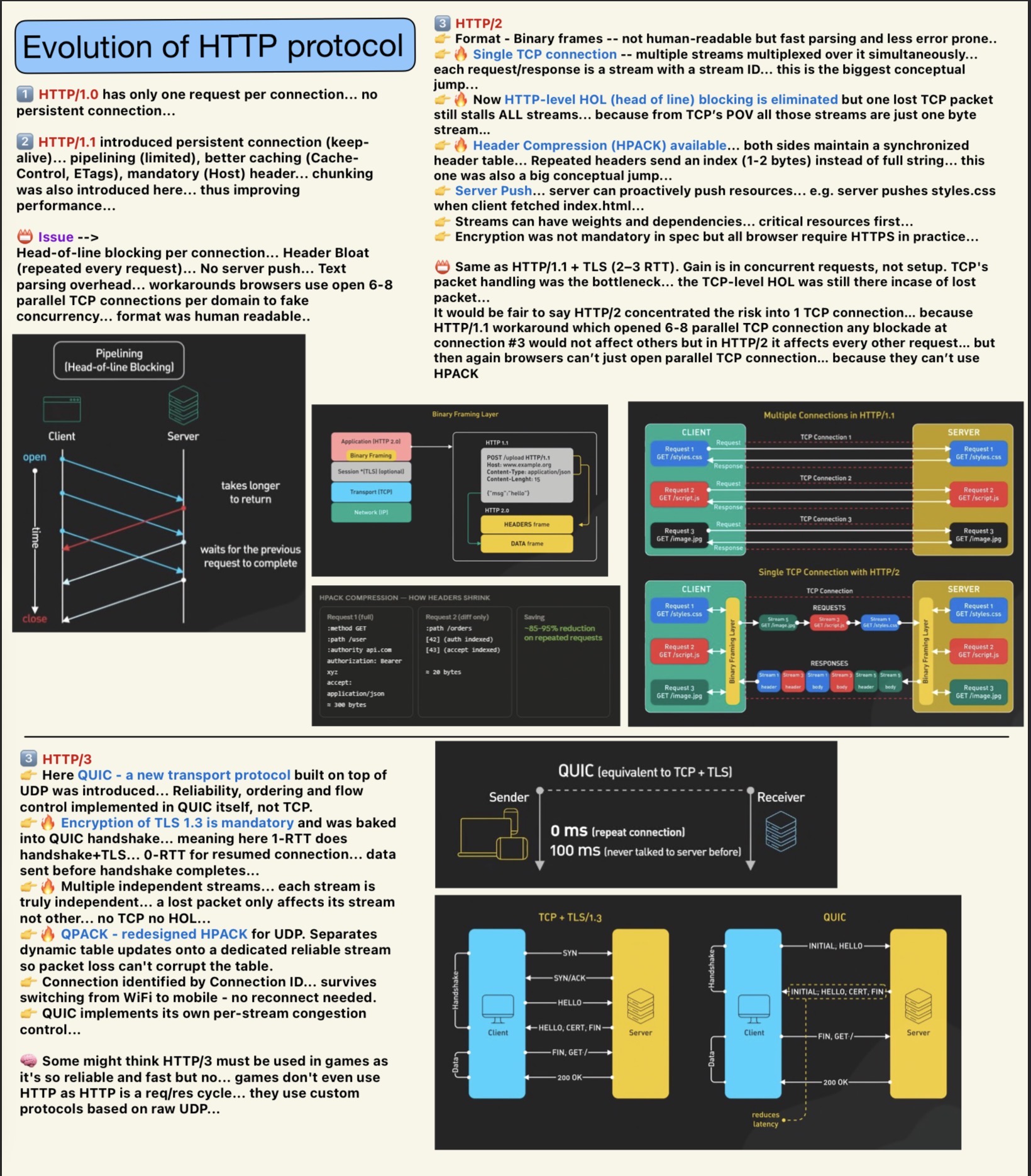
#Day6 of Decoding System Design 🚀 Going deeper into how data is actually transferred and secured. Today’s focus: 1️⃣ Transport layer (TCP vs UDP) 2️⃣ TLS/SSL (how HTTPS secures communication) 3️⃣ Evolution of HTTP (1.0 ➡️ 1 ➡️ 2 ➡️ 3) #SystemDesign #Networkingg
10
Nishant dev
Nishant dev @nishantdevx ·
🚀 Day 26/30: Database Sharding When one DB becomes a bottleneck → shard the data. Split records across multiple databases using a shard key. But beware: Sharding increases massive operational complexity. Use only when scaling demands it. #systemdesign #databases #Day26
5
Adarsh Melath
Adarsh Melath @AdarshMelath__ ·
When one lone server starts to strain, A new design must ease the pain. Break the load, spread the key, A world of shards, for you and me. Dive into how sharding transforms scalability! medium.com/@adarshmelath1… #DatabaseSharding #SystemDesign #Backend
The Digital Expansion: From Single Server to a World of Shards

Imagine you and your friend start a tech company in a small garage. As your product gains users, you begin hiring more employees. At first…

From medium.com


15
PRAJAKTA
PRAJAKTA @prajakta_mane_ ·
Replying to @prajakta_mane_
(no locks, no consensus protocol needed) CRDTs rely on one key property: all operations must be commutative, associative, and idempotent — meaning the order you apply them doesn't matter, and applying the same op twice is safe. This guarantees convergence. #systemdesign
31
StackPilot
StackPilot @TheStackPilot ·
Last seat. Two users. One conflict. ✈️ If your system says “confirmed” twice… you’ve already lost. Here’s how real systems prevent double-booking 👇 #SystemDesign #BackendC
19