Rusty G😎
Rusty G😎 @RusttyG ·
#Rule 21~Watch their hands. Hands kill. “In God we trust. Everyone else, keep your hands where I can see them." Very poor Personnel search techniques. Kama huyo chizi ni quick drawer those two cops wangekuwa sayun sa hii.
The Mayor The Mayor @themayor_ke ·
Where did this mad man getting a gun from?🤔D
6
7
2.6K
BTCN.it Short Crypto News
BTCN.it Short Crypto News @bitcns ·
Bitcoin-Freiheit 2026 vor dem Aus? Was die Travel Rule für Krypto-Anleger bedeutet Auf MiCA folgt in Europa mit der Travel Rule bereits die nächste Krypto-Regulierung. Was das für Bitcoin-Anleger und ihre Privatsphäre bedeutet.   Sourc ➤ btcn.it/KlaWw #Travel #Rule
Bitcoin-Freiheit 2026 vor dem Aus? Was die Travel Rule für Krypto-Anleger bedeutet - BitRss -...

Auf MiCA folgt in Europa mit der Travel Rule bereits die nächste Krypto-Regulierung. Was das für Bitcoin-Anleger und ihre Privatsphäre bedeutet.   Source: BTC-ECHO BTC-ECHO

From bitrss.com
11
د. عيسى الحجي
د. عيسى الحجي @alhaji_eisa ·
Replying to @alhaji_eisa
#Rule: The basis of a contract is mutual consent. (In the case of a credit card, the granting of a grace period is based on the acceptance of both parties; the conclusion of the contract necessitates mutual consent, so a valid contract requires that acceptance be achieved between the parties). #Rule: Occurrence is evidence of permissibility. (In banking, a grace period is granted without any increase; this is a common practice in Islamic banks. The fact that this occurs in practice implies that there is a valid basis for its permissibility; if it becomes established and widespread, it necessitates the existence of a legal or jurisprudential basis). #Principle: Riba is not permissible, whether in small or large amounts. (If a large amount is prohibited, a small amount is also prohibited; the prohibition of a large increase necessitates the prohibition of any increase). #From_the_Decisions_of_the_Shari_ah_Committee
14
د. عيسى الحجي
د. عيسى الحجي @alhaji_eisa ·
#Issue_There_is_no_objection_to_granting a credit card holder a grace period to settle their credit card debt without incurring additional charges, nor is there any objection to settling the remaining debt through a suq al-tawarruq transaction. #Rule: The default position is permissibility until prohibition is established beyond doubt. (Granting a grace period for deferring debt repayment is necessarily permissible, as the default position in transactions is permissibility, and there is nothing to necessitate prohibition so long as there is no increase). #Rule: What is customary amongst traders is deemed to be agreed between them. (The grace period has become a banking custom; not charging interest during the grace period is customary; and using tawarruq for repayment has become a recognised practice. Therefore, banking custom necessitates the acceptance of these practices unless they contravene a text). #Rule: The intended means is subordinate to the intended purpose. (Deferral is a means of facilitation; the prohibition of interest is a means of preventing usury; and tawarruq is a means of providing liquidity. If the purpose is lawful, then the means entails the same ruling). #Derivation of branches from branches. (Tawarruk is a branch of deferred sale, which is a branch of sale. Consequentiality: the validity of the branch necessitates the validity of that upon which it is based). #Rule: The default position is that things remain as they were. (The default position is freedom from usury; no usury is imposed except by evidence). #Rule: A right must be upheld. (The debtor’s right to a grace period: since the establishment of the debt entails the right to claim payment, it also entails the permissibility of a grace period; thus, a grace period is necessary for this right). #Rule: The implication of the text functions as the text itself. (The prohibition of usury—the prohibition of an increase in the debt—is established by the text, and what the text implies necessitates the ruling itself). #Rule: The implication of an obligation is conclusive. (The existence of an increase implies usury, and the increase necessitates usury as an obligation; therefore, the implication is valid). #Rule: The default position is that there is no increase. (Repayment of a debt without an increase in the debt; if established, the default position is the absence of an increase, and the existence of an increase implies the suspicion of usury; the absence of an increase necessitates the contract remaining within the bounds of permissibility). #Rule: That which is not permissible as an end is not permissible as a means. (Circumvention through fees and the like; usury is prohibited, and everything that necessitates reaching it is prohibited). #Rule: Any trickery regarding a debt is trickery regarding usury. (Concealing the increase, i.e. a hidden increase, is inherently associated with usury in terms of ruling). #Rule: That which contradicts the condition for the permissibility of a thing contradicts that thing. (The condition for permissibility is the absence of an increase; the presence of an increase contradicts the condition and thus contradicts permissibility). #Rule: The default ruling is permissibility until prohibition is established. (A tawarruq contract is a sale, and the default ruling is permissibility unless it entails something prohibited). #Rule: Different matters share the same ruling because they share the same cause. (The permissibility of tawarruq sales and ordinary sales share the same cause for permissibility, so they are bound together in their ruling). #Rule: The change in rulings based on custom cannot be denied. (The modern use of tawarruq is a custom, and custom necessitates its acceptance subject to certain conditions). #Rule: What is impermissible as an end is also impermissible as a means. (Fictitious tawarruq is prohibited if tawarruq involves riba).
1
19
Pedro L Alvarado
Pedro L Alvarado @palvacort23 ·
The ONLY #Rule IS… : 1.) There is NO #Rules …… ………………………………………………….. That’s just the cold, hard #TRUTH ……… 🥶🥶🥶🥶🥶🕊️🥶🥶🥶🥶🥶 💎💎💎💎🕊️💎💎💎💎 🔥🔥🔥🕊️🔥🔥🔥 ⚡️⚡️👁️⚡️⚡️ ✨🌟✨ ⚡️⚡️ 🦚 ⚜️ 🤴🏻 ❤️‍🔥 🔱
1
8
Rubiito Abel
Rubiito Abel @RubiitoAbel1121 ·
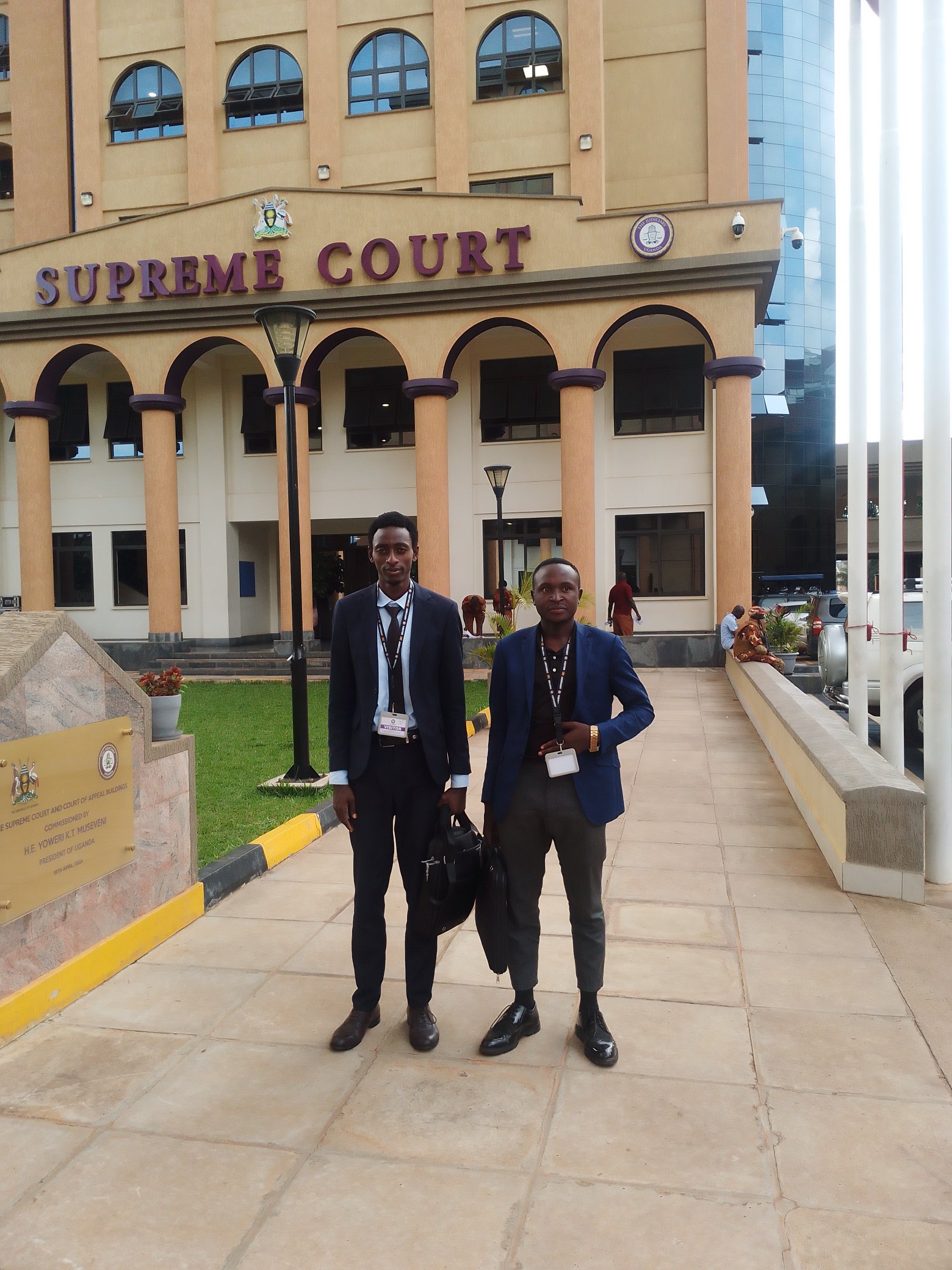
With my learned friend RNB young counsel @MuhindoSim65920 #rule of law ,attended some of the on going fascinating cases . What we truly believe in is" between us and success, it's just a matter of time". Between the struggles of today and the victories of tomorrow it's just time.
1
2
319
Imran Yousaf Insights
Imran Yousaf Insights @imraninsights1 ·
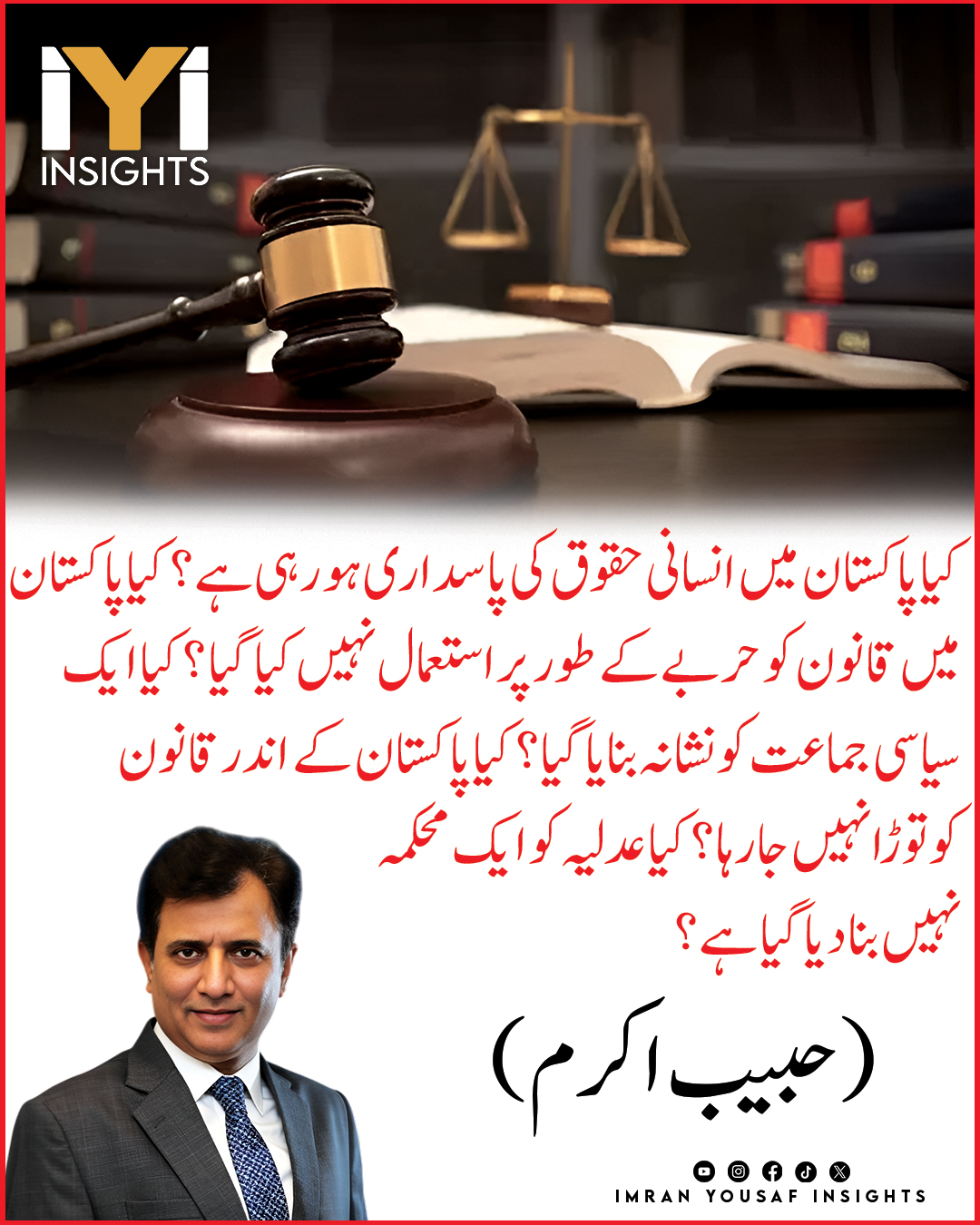
"کیا پاکستان میں انسانی حقوق کی پاسداری ہو رہی ہے؟ کیا پاکستان میں قانون کو حربے کے طور پر استعمال نہیں کیا گیا ؟ کیا ایک سیاسی جماعت کو نشانہ بنایا گیا ؟کیا پاکستان کے اندر قانون کو توڑا نہیں جا رہا ؟ کیا عدلیہ کو ایک محکمہ نہیں بنا دیا گیا ہے؟"- حبیب اکرم #HumanRights #Rule
4
د. عيسى الحجي
د. عيسى الحجي @alhaji_eisa ·
Replying to @alhaji_eisa
#Rule: The default position regarding contracts is freedom and permissibility. (Presenting the tawarruq product: the default position in transactions is permissibility, and nothing is prohibited except by valid evidence). #Rule: Overlapping is contrary to the principle. (The principle is the separation of contracts; thus, any benefit over the term between the debt and the tawarruq indicates an overlap between them, and this overlap necessitates the transfer of the ruling on the debt to what follows it, thereby realising riba, so prohibition becomes necessary for this consequence). #Rule: The end does not necessitate the means unless the means is permitted by Sharia. (The lawful end of repaying the debt does not necessitate the permissibility of the means; if the means involves interest, this consequence necessitates its prohibition, and the connection between the end and the means is severed, so the means is not acceptable even if the end is lawful). #Rule: Whatever leads to the forbidden is itself forbidden. (Interest over a period is a means leading to an increase in the debt, and this increase necessitates usury; thus, there is a correlation between the means and the result. Consequently, whatever leads to the forbidden act of usury is itself forbidden, and this interest is prohibited). #Rule: Exchanging one debt for another is not valid. (Converting an existing debt into a new debt through tawarruq whilst imposing interest over time constitutes exchanging one debt for another; this implies an increase, and an increase implies usury, so this is not valid according to Islamic law). #From_the_Decisions_of_the_Shari_ah_Committee
21
د. عيسى الحجي
د. عيسى الحجي @alhaji_eisa ·
#Issue_The_bank_must_not_charge_interest on the period between the card debt’s due date and the date of the securitisation transaction, as this constitutes usury, which is prohibited under Islamic law. #Rule: What is established by custom is treated as a stipulated condition. (In banking practice, interest is in exchange for time, and this practice is a prerequisite for the increase to be considered usury; this necessitates that any increase over time constitutes usurious interest, even if it is not explicitly called interest, as the practice deems it as such, thereby establishing the correlation between time and the usurious increase). #Rule: The validity of the ruling is contingent upon the presence or absence of the underlying cause. (The cause is the increase in return for time; its existence necessitates the existence of usury, and its absence necessitates its absence. As long as the interest is linked to the duration, the consequent—the increase—is realised, and the necessary consequence—usury—is realised). #Rule: The default position is that there is no increase. (The default position is a debt without increase; an increase is incidental and requires evidence, and the absence of evidence necessitates prohibition). #Rule: What matters is the meaning, not the wording. (Calling it a fee or interest does not alter the reality; the reality is an increase on the debt, so changing the name does not negate the correlation between the increase and usury). #Rule: The evidence of the text is conclusive. (If the increase is absent, usury is absent; the absence of interest means no usury, and its presence necessitates usury). #Derivation_of_the_Premise (By identifying the cause—increase in exchange for time—we deduce that this scenario fulfils the same cause; therefore, the ruling applies to it). #Refinement_of_the_Premise (By removing irrelevant details—we omit the name of the transaction, the type of card, and retain only the increase in exchange for time as the true necessary condition). #Verification_of_the_Premise (Verifying the existence of the cause in reality: is there a time-based increase? The answer is yes; therefore, the necessary consequence of riba is established). #Rule: Analogy is a branch of meaning. (Applying this form to the riba of the pre-Islamic era: either it is paid or it accrues; it is itself a benefit in return for delay, a perfect concomitance). #Rule: The dependent takes the ruling of the dependent upon. (If the principal debt is such that no increase is permitted, then the term does not stand alone in its ruling, and the interest on it takes the ruling of the principal; therefore, the prohibition of increasing the debt necessitates the prohibition of interest on the term, because the interest is dependent, and the dependent cannot be separated from the ruling of the dependent upon). #Rule: Riba may not be permitted by implication. (Interest is subordinate to the debt, and subordination does not permit riba; therefore, the prohibition remains in force). #Rule: The implication of the text functions as the text itself. (The prohibition of riba is established by the text, and the time-based increase falls within the implication of the text; consequently, the ruling of prohibition applies to it by extension). #Rule: Different matters may share a single implication. (The card and tawarruq are different, but the time-based increase is an implication, and the ruling is the same: riba). #Rule: The sharing of a necessary consequence implies the sharing of a necessary condition. (Loans share the characteristic of being debts; thus, they share the necessary condition of preventing increase, which necessitates prohibition). #Rule: The incompatibility of necessary conditions implies the incompatibility of necessary consequences. (Usury is incompatible with permissibility; consequently, its presence renders the contract invalid).

1
24
SaamTV News
SaamTV News @saamTVnews ·
LPG गॅसच्या किंमती, इन्कम ते रेल्वे तिकीट; १ एप्रिलपासून ५ नियम बदलणार #LPG #Rule #SaamTv saamtv.esakal.com/business/rule-…
Rule Change
Rule Change: LPG गॅसच्या किंमती, इन्कम ते रेल्वे तिकीट; १ एप्रिलपासून ५ नियम बदलणार; थेट तुमच्या...

Rule Change From 1st April 2026: नवीन आर्थिक वर्षात अनेक महत्त्वाचे बदल होणार आहे. एलपीजी गॅस ते इन्कम टॅक्सच्या नियमात बदल होणार आहे. यामुळे तुमच्या खिशावर परिणाम होणार आहे.

From saamtv.esakal.com
79
Islam: a warlord deathcult of genocide & slaughter
Islam: a warlord deathcult of genocide & slaughter @YitzokBenYosef ·
touche`!!! "Courts temporarily block Trump Administration’s change to #public #charge #rule " ("immigrants") courthousenews.com/wp-content/upl… hoisted on their own petard! 😎 multco.us/news/courts-te… @marklevinshow @RichSementa @RichValdes
new citizen 8
Courts temporarily block Trump Administration’s change to public charge rule

The changes would make it more difficult for immigrants to live and work in the U.S.

From multco.us
@marklevinshow @RichSementa @RichValdes given the war, it IS a National Emergency to fund TSA, for starters. Individual E.O.s will be individual litigations- slow this up; motions to consolidate...brilliant! "to prevent the agents and families from becoming public charges"
131
Mantavya News
Mantavya News @Mantavyanews ·
"હું ‘ઇમ્પેક્ટ પ્લેયર’ નિયમ વિરૂદ્ધ છું: શુભમન ગિલ" #impactplayer #shubmangill #rule #against mantavyanews.com/i-am-against-i…
Shubman Gill :"હું ‘ઇમ્પેક્ટ પ્લેયર’ નિયમ વિરૂદ્ધ છું

Ahmedabad News : વિશ્વની સૌથી લોકપ્રિય IPL 2026ની લીગ 28 માર્ચથી શરૂ થવા જઈ રહી છે. તમામ ટીમો સારા પ્રદર્શન માટે તૈયારીઓમાં વ્યસ્ત છે. નવી સિઝનની શરૂઆત પહેલા

From mantavyanews.com
129