I reviewed one of the most practical guides to literature reviews.
Here are 10 principles that separate average from publishable ones:
⸻
1. A literature review is a positioning document
Before you write anything, answer this:
→ What conversation am I entering?
→ What gap u can’t answer that, you’re not ready to write.
⸻
2. Topic selection is a strategic decision
A strong review topic is:
→ narrow enough to be meaningful
→ broad enough to matter
→ active enough to contribute to
Most students choose topics that are either too safe… or too vague.
⸻
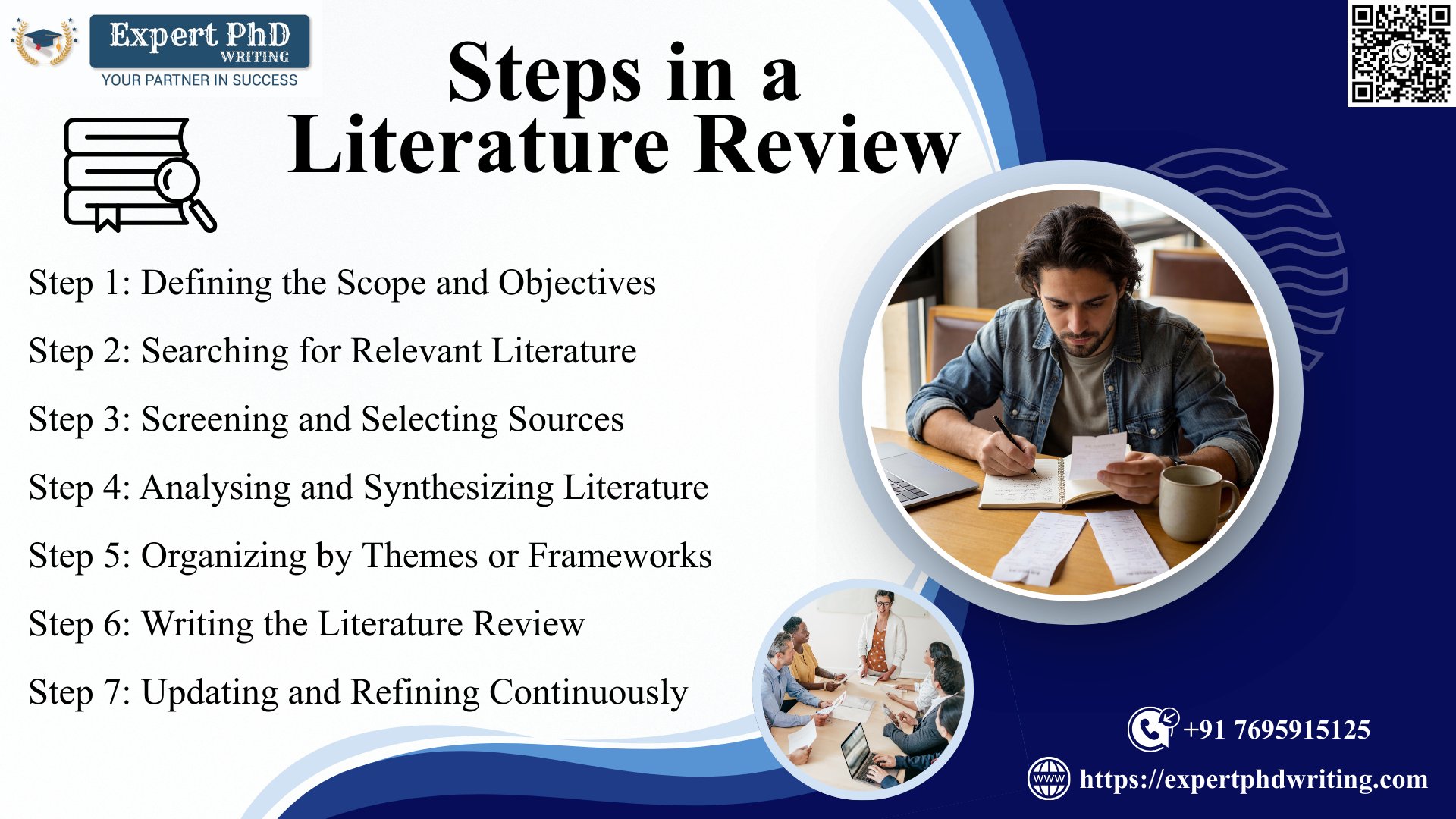
3. Searching is not a one-time activity
Serious reviewers:
→ iterate search terms
→ trace citations forward & backward
→ revisit the search as their thinking evolves
⸻
4. Reading without writing is wasted effort
If you finish reading 30 papers and have no notes…
You’ve retained very little.
Strong reviewers:
→ extract arguments, not just findings
→ write while reading
→ begin synthesis early
⸻
5. Decide your review type intentionally
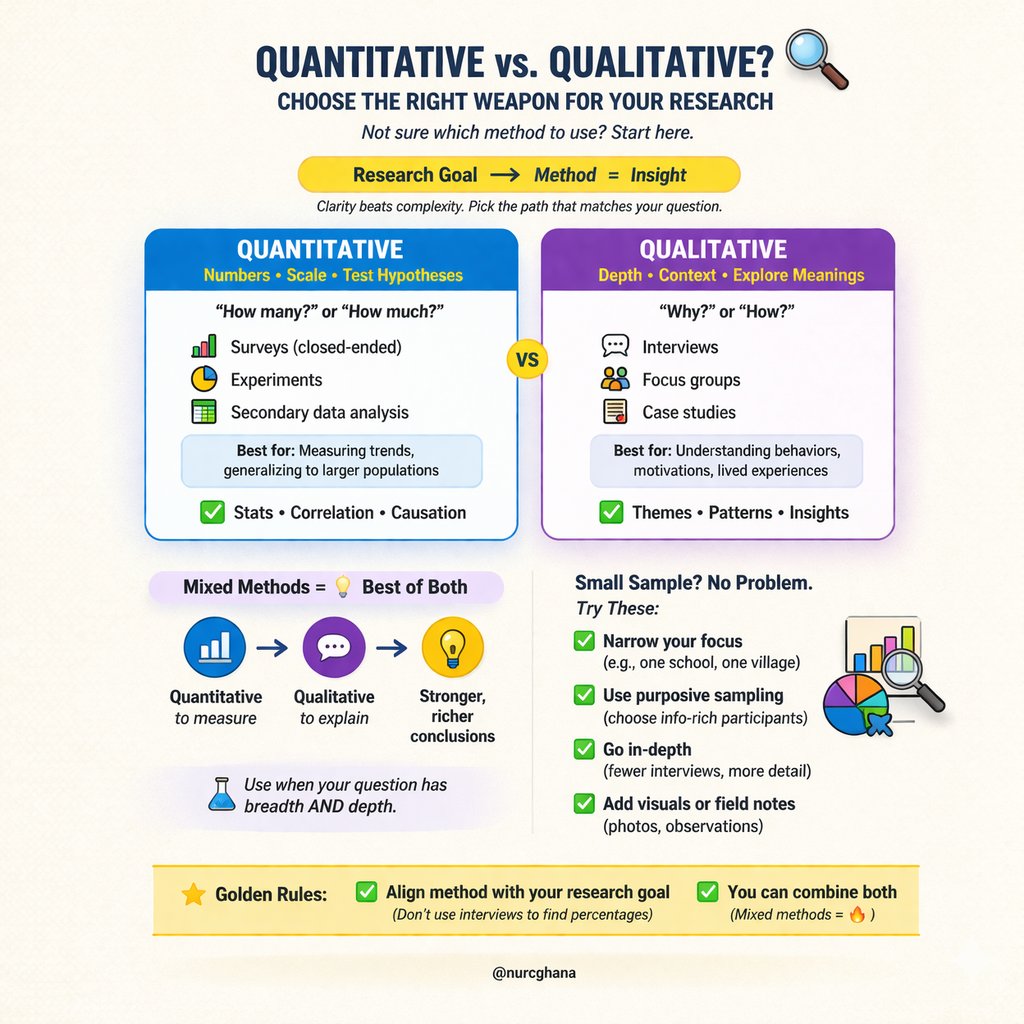
Narrative, systematic, integrative, meta-analysis…
Each answers a different kind of question.
Confusion here leads to weak methodology and confused writing.
⸻
6. Synthesis is the core skill
Anyone can summarize papers.
Very few can answer:
→ What patterns exist across studies?
→ Where do findings conflict?
→ Why do they differ?
That is what reviewers are looking for.
⸻
7. Critical thinking is non-negotiable
A strong review:
→ identifies methodological weaknesses
→ questions assumptions
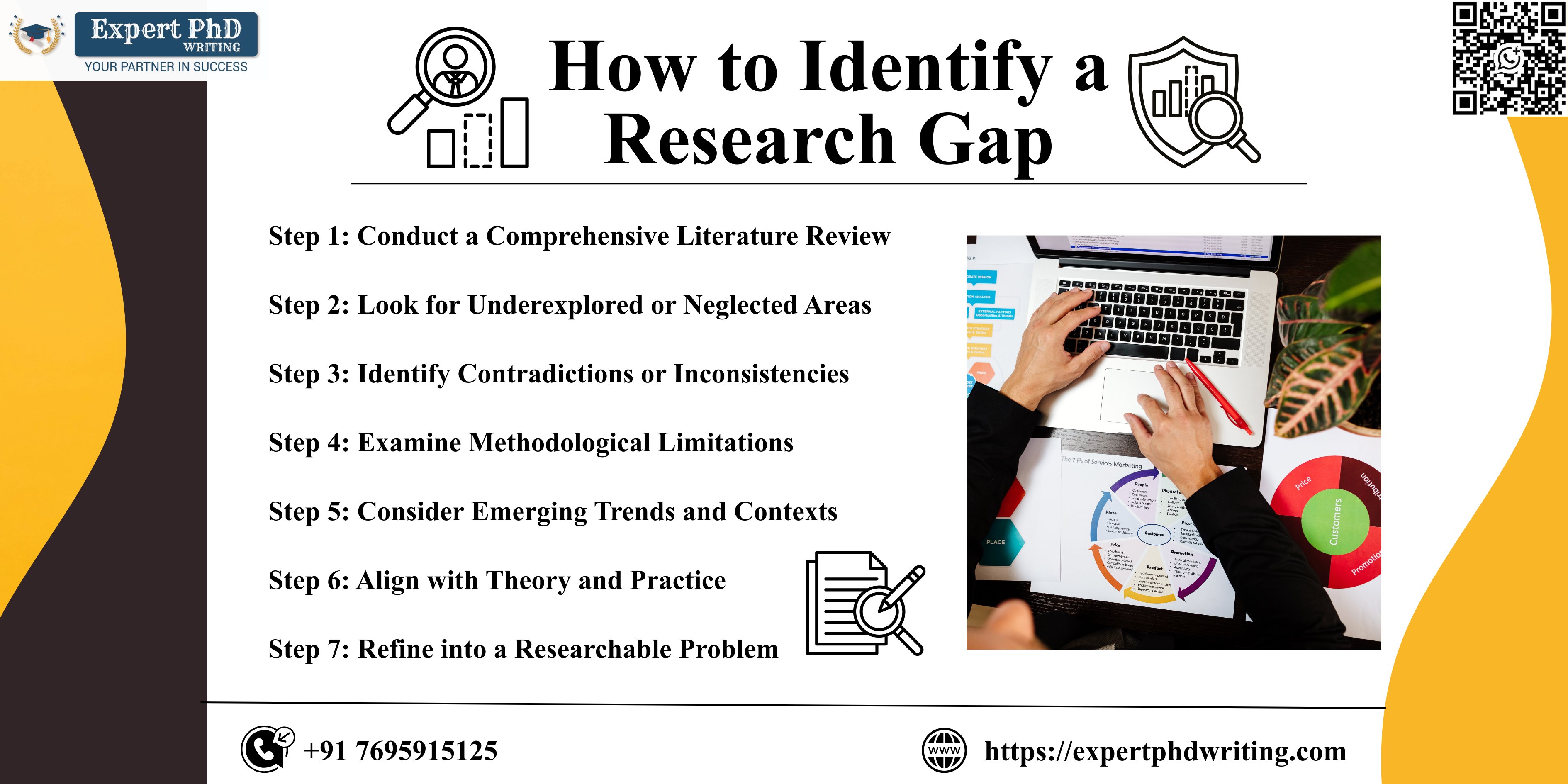
→ highlights gaps
⸻
8. Structure reflects clarity of thought
Disorganized reviews are not writing problems.
They are thinking problems.
A clear structure means:
→ logical flow of ideas
→ intentional grouping of evidence
→ a reader who never feels lost
⸻
9. Feedback is part of the process, not the end
Good reviews are:
→ challenged
→ questioned
→ reshaped
⸻
10. The best reviews connect time
Weak reviews focus only on recent papers.
Strong ones:
→ anchor in foundational work
→ integrate recent advances
→ show how the field is evolving
⸻