@𝗦𝗶𝗹𝗲𝗻��
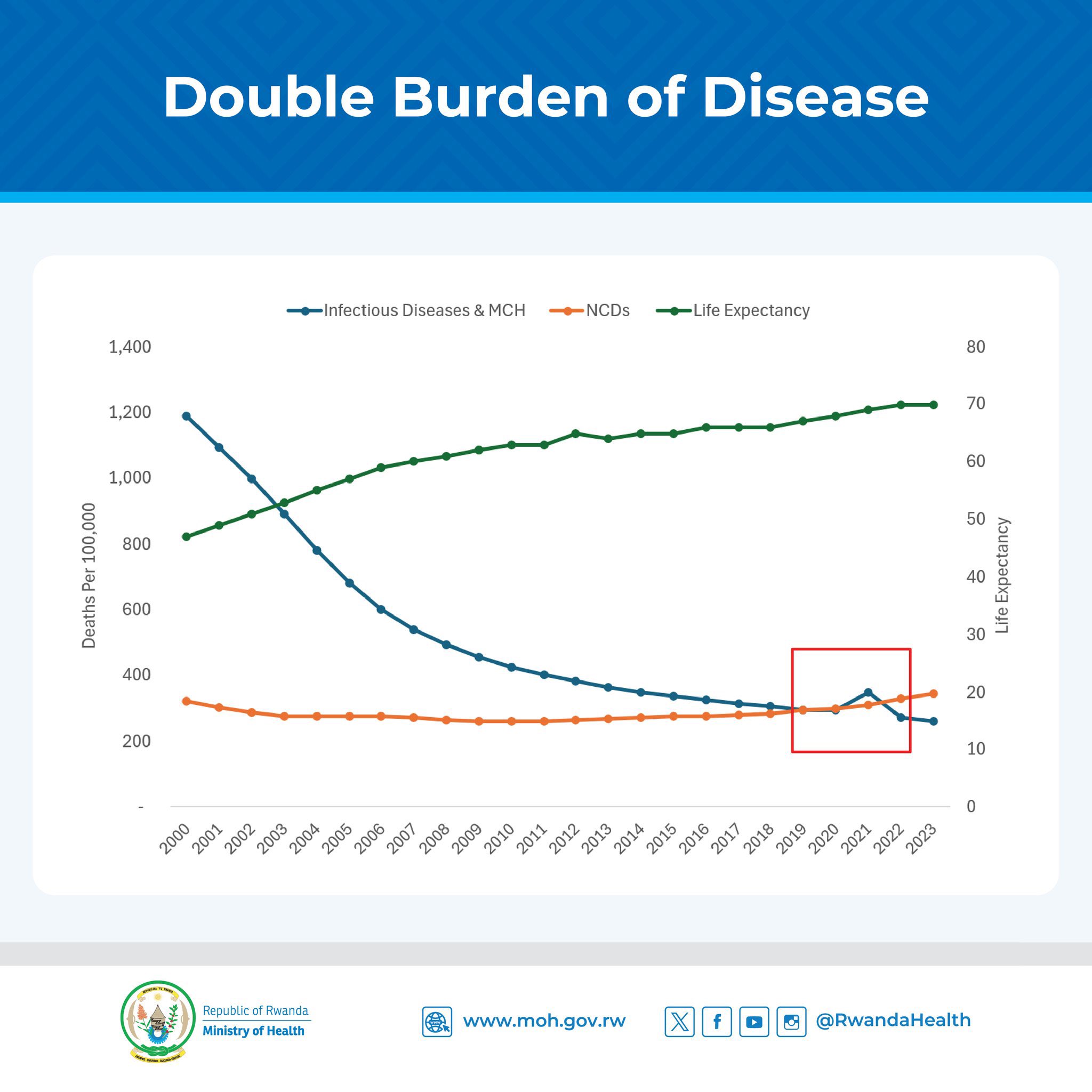
@𝗞𝗶𝗹𝗹𝗲𝗿𝘀𝗡𝗼 𝗠𝗼𝗿𝗲: 𝗛𝗼𝘄 𝗦𝗰𝗿𝗲𝗲𝗻𝗶𝗻𝗴 𝗳𝗼𝗿 𝗡𝗖𝗗𝘀 𝗨𝗻𝗹𝗼𝗰𝗸𝘀 𝗟𝗼𝗻𝗴𝗲𝗿, 𝗛𝗲𝗮𝗹𝘁𝗵𝗶𝗲𝗿 𝗟
𝗶𝘃��𝘀
In
today’s fas
t-paced world,
non-commu
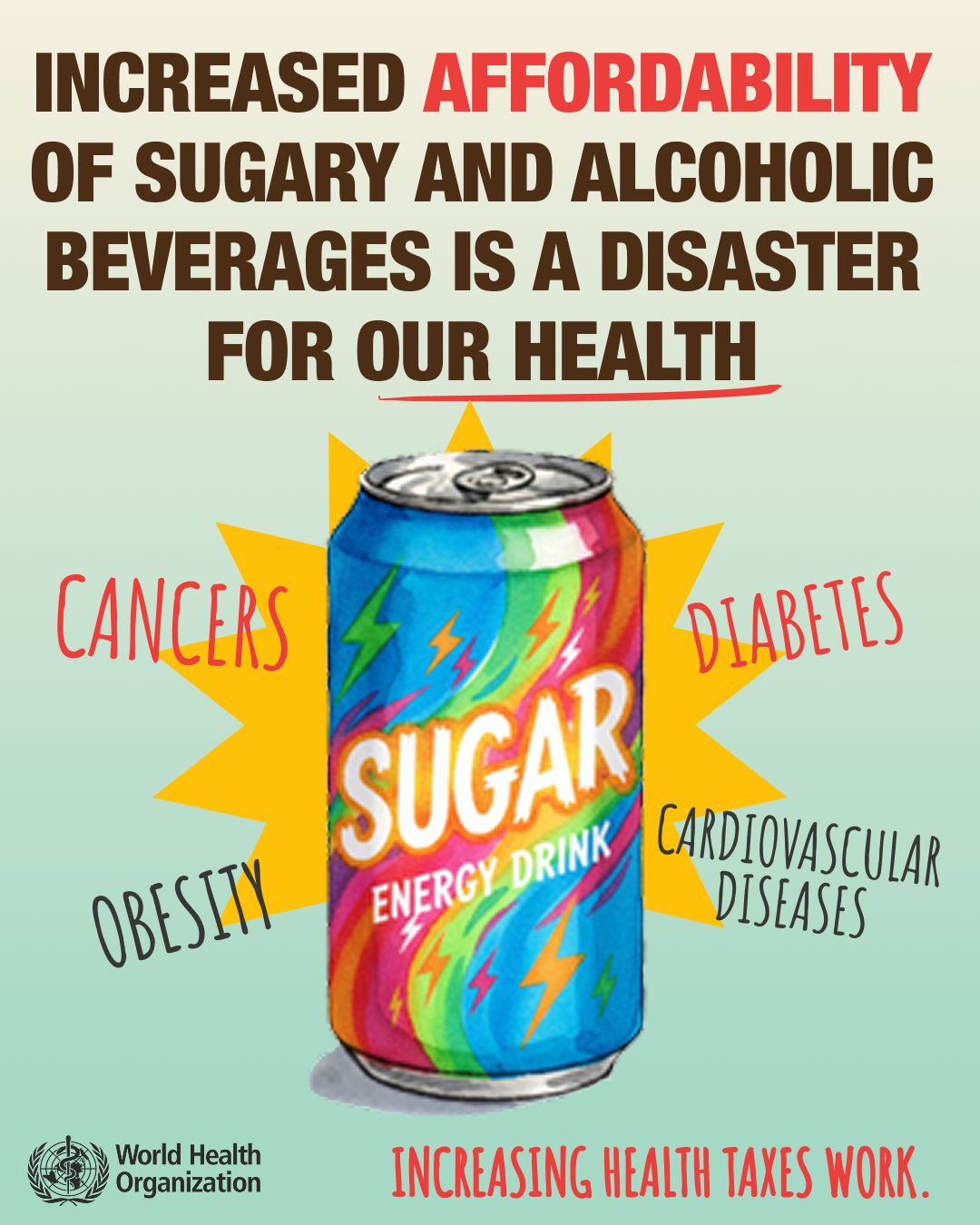
nicable diseases (#NCDs) like #Diabetes, #Hyper
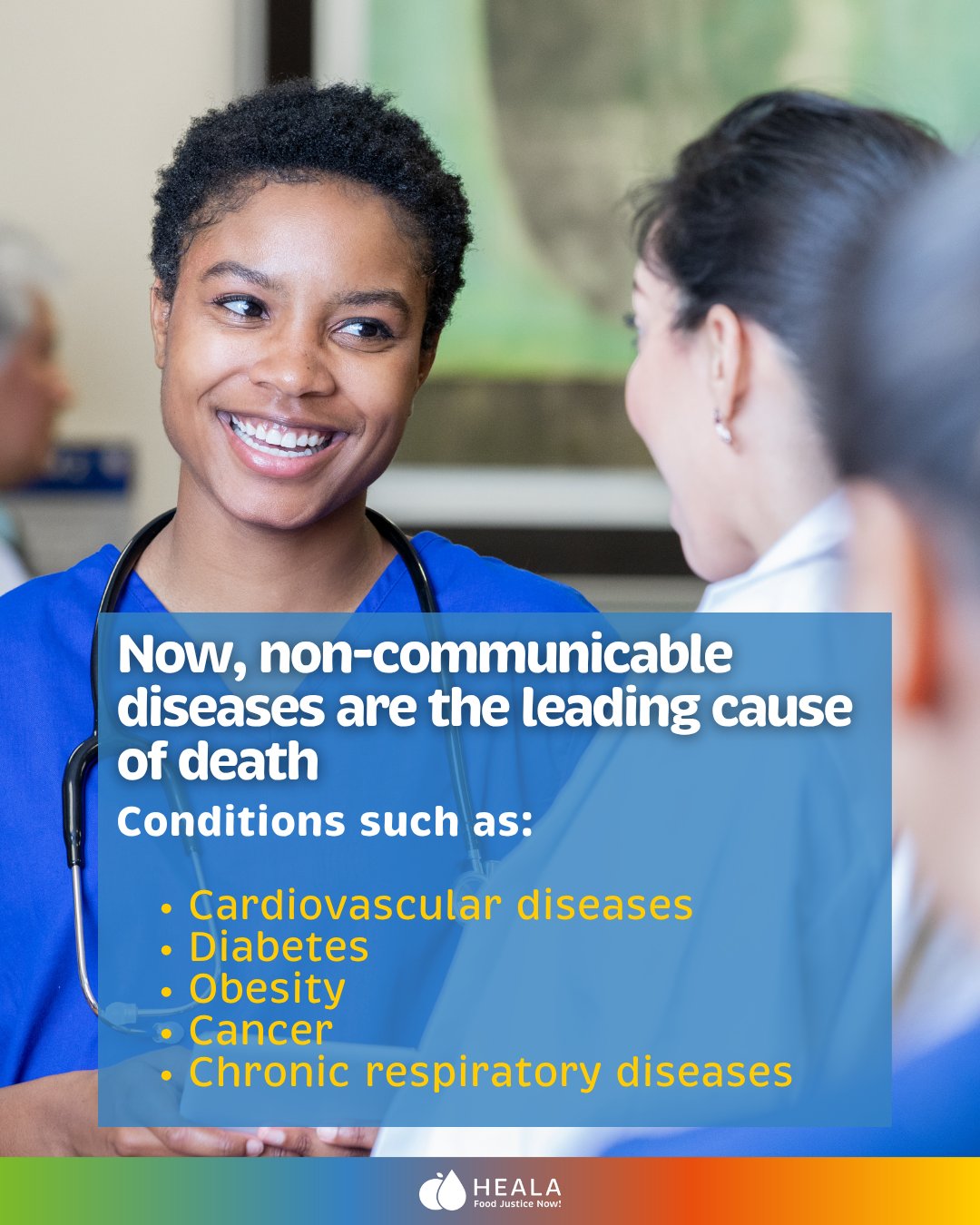
, #MAFLD (Metabolic Dysfunction-Associated Fatty Liver Disease), #Hypothyroidism, Ischemic Heart Disease (IHD), and Chronic Kidney Disease (CKD) often progress silently for years before symptoms appear. Routine screening transforms this by enabling early detection, timely treatment, and simple lifestyle modifications that can significantly prolong life and improve quality of life. Diabetes screening through blood glucose and HbA1c tests identifies prediabetes or early Type 2 diabetes. Early intervention with diet control, physical activity, and medications prevents complications such as neuropathy, retinopathy, and cardiovascular events. Studies show that managing prediabetes can avert hundreds of diabetes cases per thousand screened individuals over five years, reducing long-term damage and extending healthy years
Hypertension often remains asymptomatic until it causes stroke or heart damage. Regular blood pressure checks allow early use of lifestyle changes (reduced salt, exercise) and low-cost medications, slashing risks of heart attack and stroke while preserving organ function.
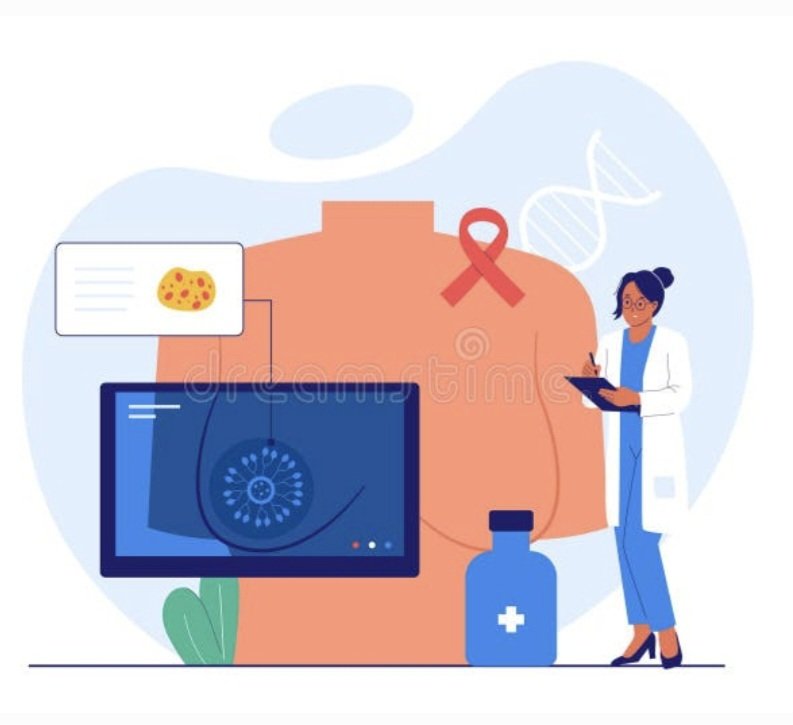
For Cancer, screenings (e.g., mammograms, colonoscopies, or PSA tests) detect tumors at stage I, where survival rates exceed 99% for some types like breast cancer—far better than advanced stages. Early removal or milder treatments minimize side effects & boost cure rates
MAFLD, increasingly common with metabolic issues, links to liver fibrosis, cardiovascular risks, and CKD. Non-invasive tests like FIB-4 scores or liver enzyme checks flag at-risk individuals early. Lifestyle shifts—weight loss, balanced diet, and exercise—can reverse fat accumulation and halt progression to cirrhosis or related complications.
Hypothyroidism screening via TSH levels catches underactive thyroid before fatigue, weight gain, or heart strain set in. Simple thyroid hormone replacement restores energy and prevents long-term metabolic slowdown.
IHD risk emerges through lipid profiles, ECG, or stress tests. Detecting elevated cholesterol or early plaque allows statin therapy, blood pressure control, and heart-healthy habits to prevent heart attacks and improve cardiac longevity.
CKD screening with serum creatinine, eGFR, and urine albumin tests identifies kidney decline early, often tied to diabetes or hypertension. Tight control of blood sugar/pressure, plus lifestyle adjustments, slows progression to end-stage disease, delaying or avoiding dialysis and adding years of life
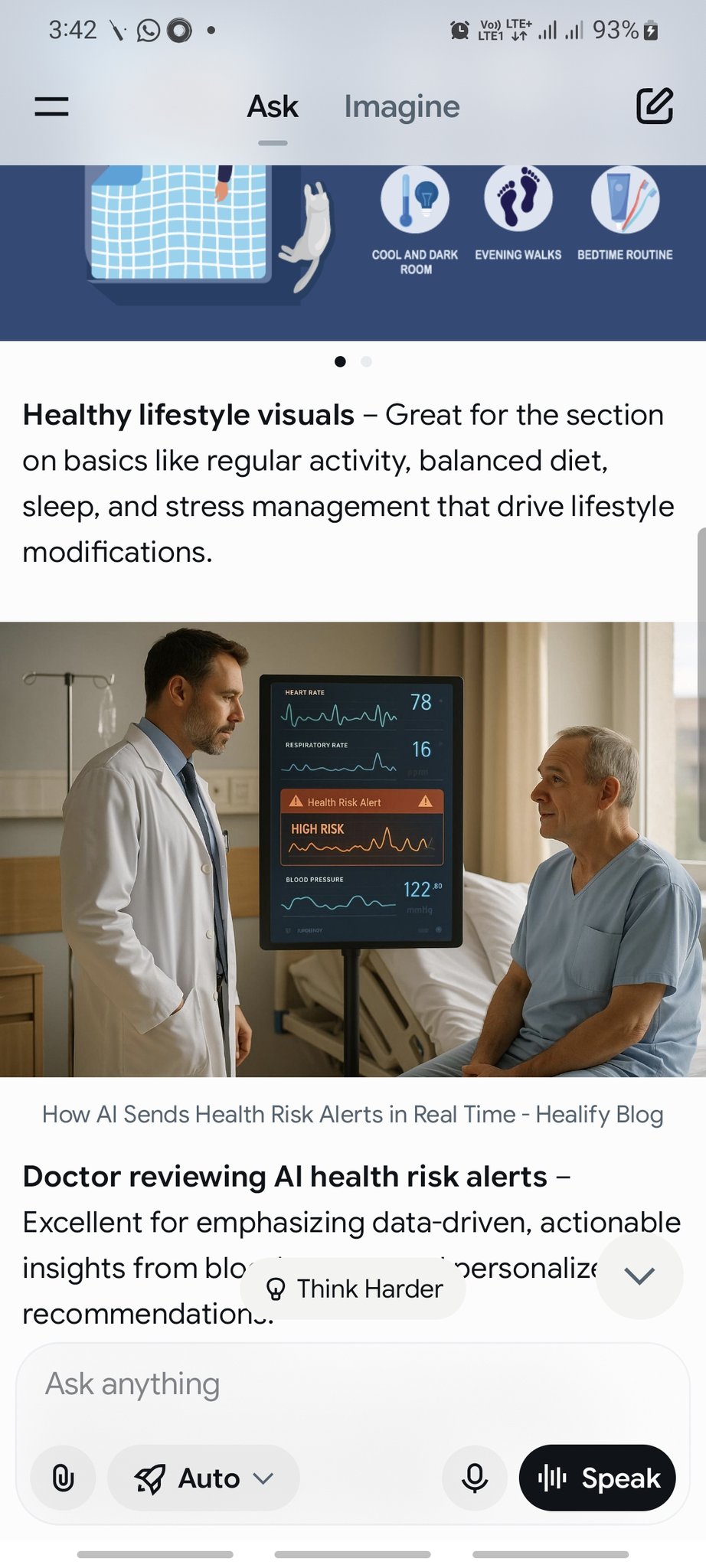
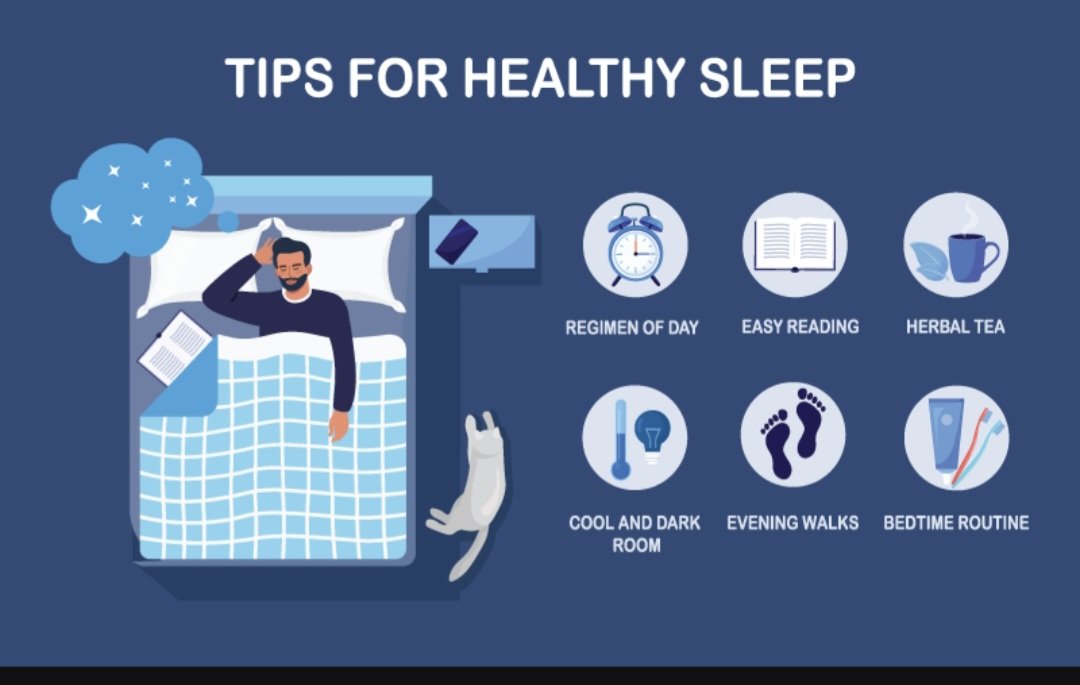
The power lies in the triad: early diagnostics spot issues before irreversible damage; intelligent interventions (medications when needed) control progression; and lifestyle modifications—30–45 minutes of daily activity, controlled sugar/fat intake, adequate sleep, stress reduction, and no smoking—address root causes. These changes not only treat but often reverse early-stage disease, cutting complications dramatically.
By shifting from reactive treatment to proactive prevention, screening empowers individuals. Awareness sparks action: periodic checkups combined with AI-powered insights (as pursued at Nature Labs) deliver personalized recommendations. Ultimately, this approach reduces disability, lowers healthcare costs, and adds precious, healthy years—proving that catchin
g NCDs early
is one
of th
e smartest invest
ments in a longer life.#MedTwitter #MedEd #MedX #HealthAwareness #HealthTech @IhabFathiSulima @drabdulhameed07 @hyderabaddoctor