Qalaat Al Mudiq
Qalaat Al Mudiq @QalaatAlMudiq ·
#Syria: moments of joy as Rebels freed prisoners held in the State Security HQ after seizing #Idlib-city from Regime 11 years ago. Those detained at the Military Security prison were not as fortunate - they were executed by Regime before fleeing. 🔞:web.facebook.com/aljazeerachann…tD
Qalaat Al Mudiq Qalaat Al Mudiq @QalaatAlMudiq ·
#Syria: today marks the 11th anniversary of the capture of #Idlib-city by Rebels. The 4-day battle mainly involved seizing surrounding checkpoints and defensive positions, with little street fighting once they fell - allowing Idlib to be captured without major damage. It marked the beginning of an offensive that would seize most of the province that was under Regime control, with Rebel groups united under the Jaish Fateh coalition. The capture of Idlib was a key turning point in the war, securing a strategic base that would later serve as a launchpad for the final offensive that overthrew Assad.
13
9.2K
Qalaat Al Mudiq
Qalaat Al Mudiq @QalaatAlMudiq ·
#Syria: today marks the 11th anniversary of the capture of #Idlib-city by Rebels. The 4-day battle mainly involved seizing surrounding checkpoints and defensive positions, with little street fighting once they fell - allowing Idlib to be captured without major damage. It marked the beginning of an offensive that would seize most of the province that was under Regime control, with Rebel groups united under the Jaish Fateh coalition. The capture of Idlib was a key turning point in the war, securing a strategic base that would later serve as a launchpad for the final offensive that overthrew Assad.
7
67
40.3K
Syria Justice Archive
Syria Justice Archive @SyJusticeArc ·
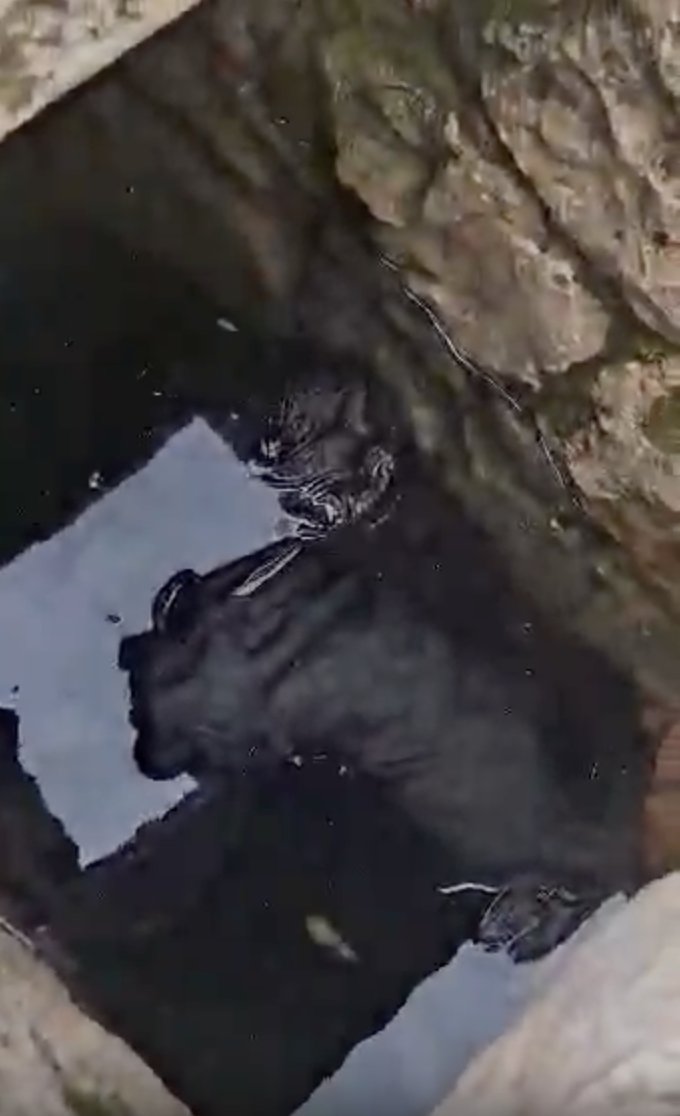
#Idlib | N #Syria: The body of the girl “Nour Al-Mustafa,” from the Sunni sect, was found shot dead with three bullets and thrown into a water well in the village of Al-Kasten, near #Jisr_alShughur in the western Idlib countryside, on Thursday, March 26, 2026. The victim had gone missing one day before her body was discovered.
4
24
1.5K
⭐️
⭐️ @duNord_1 ·
#Idlib / #Syrie
Mahmod Kolo Mahmod Kolo @mehmod_kolo ·
أهل ادلب العز يلبون النداء........ علماني ولاك مابدنا إياك صحيح هدول شو بدهم ممكن تفهموني شو بدهم
22
Fahed | السويداء
Fahed | السويداء @samerberlinde ·
“Gaza, #Gaza, you bastards… the Army of Muhammad has returned.” “#Idlib, Idlib, you bastards… the Army of Muhammad has returned.” These are the slogans of al-Julani's supporters in the streets of #Syria today.
Sally Obeid Sally Obeid @SallyObeid ·
“Gaza, Gaza, you bastards… the Army of Muhammad has returned.” “#Idlib, Idlib, you bastards… the Army of Muhammad has returned.” What began as a protest supporting a campaign against the mother of all vices quickly turned into chants calling for the liberation of Gaza and the return of the “Army of Muhammad” in Gaza Square, Idlib. This is not a random shift in protest slogans; it is a revealing moment that exposes a deeper structural problem with serious international implications. The rapid transformation from a socially framed campaign into openly militant, transnational rhetoric shows how easily public mobilization can be hijacked by ideological factions operating within or around the system. There are only two realistic explanations, and both are equally damaging. The first is deliberate tolerance or indirect facilitation. In this scenario, authorities are aware of these factions and allow them space to operate either to channel public anger, manufacture street pressure, or maintain ideological leverage. This kind of controlled chaos may appear tactically useful in the short term, but it is strategically reckless. Once these groups gain visibility and momentum, they stop being tools and become actors with independent, often absolutist and expansionist agendas. The second possibility is a failure of control. If the government cannot prevent such rhetoric and mobilization, it reveals a fundamental weakness in its authority. A system that cannot regulate radicalized factions within its own territory cannot claim real sovereignty or present itself as a reliable international partner. What makes this situation even more contradictory is the government’s broader geopolitical positioning. It is effectively aligned, directly or indirectly with Western priorities, particularly in countering the Iranian axis. Yet it is allowing, or failing to suppress, rhetoric that invokes transnational jihadist mobilization centered on Gaza. This contradiction is not sustainable. For international actors, especially the United States and its allies, there is no meaningful distinction between managed extremist rhetoric and genuine security threats. The risks are immediate and cumulative: loss of credibility, as any attempt to portray the government as a stabilizing force collapses in the face of such scenes; increased risk of sanctions or continued isolation, as these signals reinforce the argument that the environment remains unsafe and ideologically volatile; attraction of transnational networks, as such rhetoric can draw in foreign fighters, funding channels, and ideological alignment with broader extremist movements; and internal destabilization, as allowing these factions to operate accelerates fragmentation and weakens centralized control. Whether this is intentional or a failure, the outcome is the same. It reflects a governing structure that relies on volatility to maintain relevance but is increasingly unable to contain the forces it enables. That is not just a domestic issue; it is a direct trigger for international concern and long-term instability.
2
3
747
Sally Obeid
Sally Obeid @SallyObeid ·
“Gaza, Gaza, you bastards… the Army of Muhammad has returned.” “#Idlib, Idlib, you bastards… the Army of Muhammad has returned.” What began as a protest supporting a campaign against the mother of all vices quickly turned into chants calling for the liberation of Gaza and the return of the “Army of Muhammad” in Gaza Square, Idlib. This is not a random shift in protest slogans; it is a revealing moment that exposes a deeper structural problem with serious international implications. The rapid transformation from a socially framed campaign into openly militant, transnational rhetoric shows how easily public mobilization can be hijacked by ideological factions operating within or around the system. There are only two realistic explanations, and both are equally damaging. The first is deliberate tolerance or indirect facilitation. In this scenario, authorities are aware of these factions and allow them space to operate either to channel public anger, manufacture street pressure, or maintain ideological leverage. This kind of controlled chaos may appear tactically useful in the short term, but it is strategically reckless. Once these groups gain visibility and momentum, they stop being tools and become actors with independent, often absolutist and expansionist agendas. The second possibility is a failure of control. If the government cannot prevent such rhetoric and mobilization, it reveals a fundamental weakness in its authority. A system that cannot regulate radicalized factions within its own territory cannot claim real sovereignty or present itself as a reliable international partner. What makes this situation even more contradictory is the government’s broader geopolitical positioning. It is effectively aligned, directly or indirectly with Western priorities, particularly in countering the Iranian axis. Yet it is allowing, or failing to suppress, rhetoric that invokes transnational jihadist mobilization centered on Gaza. This contradiction is not sustainable. For international actors, especially the United States and its allies, there is no meaningful distinction between managed extremist rhetoric and genuine security threats. The risks are immediate and cumulative: loss of credibility, as any attempt to portray the government as a stabilizing force collapses in the face of such scenes; increased risk of sanctions or continued isolation, as these signals reinforce the argument that the environment remains unsafe and ideologically volatile; attraction of transnational networks, as such rhetoric can draw in foreign fighters, funding channels, and ideological alignment with broader extremist movements; and internal destabilization, as allowing these factions to operate accelerates fragmentation and weakens centralized control. Whether this is intentional or a failure, the outcome is the same. It reflects a governing structure that relies on volatility to maintain relevance but is increasingly unable to contain the forces it enables. That is not just a domestic issue; it is a direct trigger for international concern and long-term instability.
"غزة غزة يا أوغـ ـاد.. جيش محمد هاقد عاد" "#إدلب إدلب يا أوغـ ـاد.. جيش محمد هاقد عاد" من مظاهرة داعمة لحملة مكافحة "أم الخبائث" إلى دعوة لتحرير غزة وعودة جـ ـيـ ـش محمد في ساحة غزة بإدلب
1
9
2.7K
Syria Justice Archive
Syria Justice Archive @SyJusticeArc ·
#Syria : Protests by Islamist hardliners broke out across several provinces, including #Damascus, #Idlib, #Hama, and #Daraa, in support of the interim government’s decisions to ban the sale of alcoholic beverages under the banner of fighting “the mother of all vices.” Protesters raised slogans such as: “We want Islamic freedom, not secular freedom” “The people want to bring down alcohol” “The people want God’s law (Sharia law) to rule” In Idlib, protesters chanted “Gaza, Gaza, you bastards, the army of Muhammad is back,” alongside various other Islamist slogans.
4
36
6K
Qalaat Al Mudiq
Qalaat Al Mudiq @QalaatAlMudiq ·
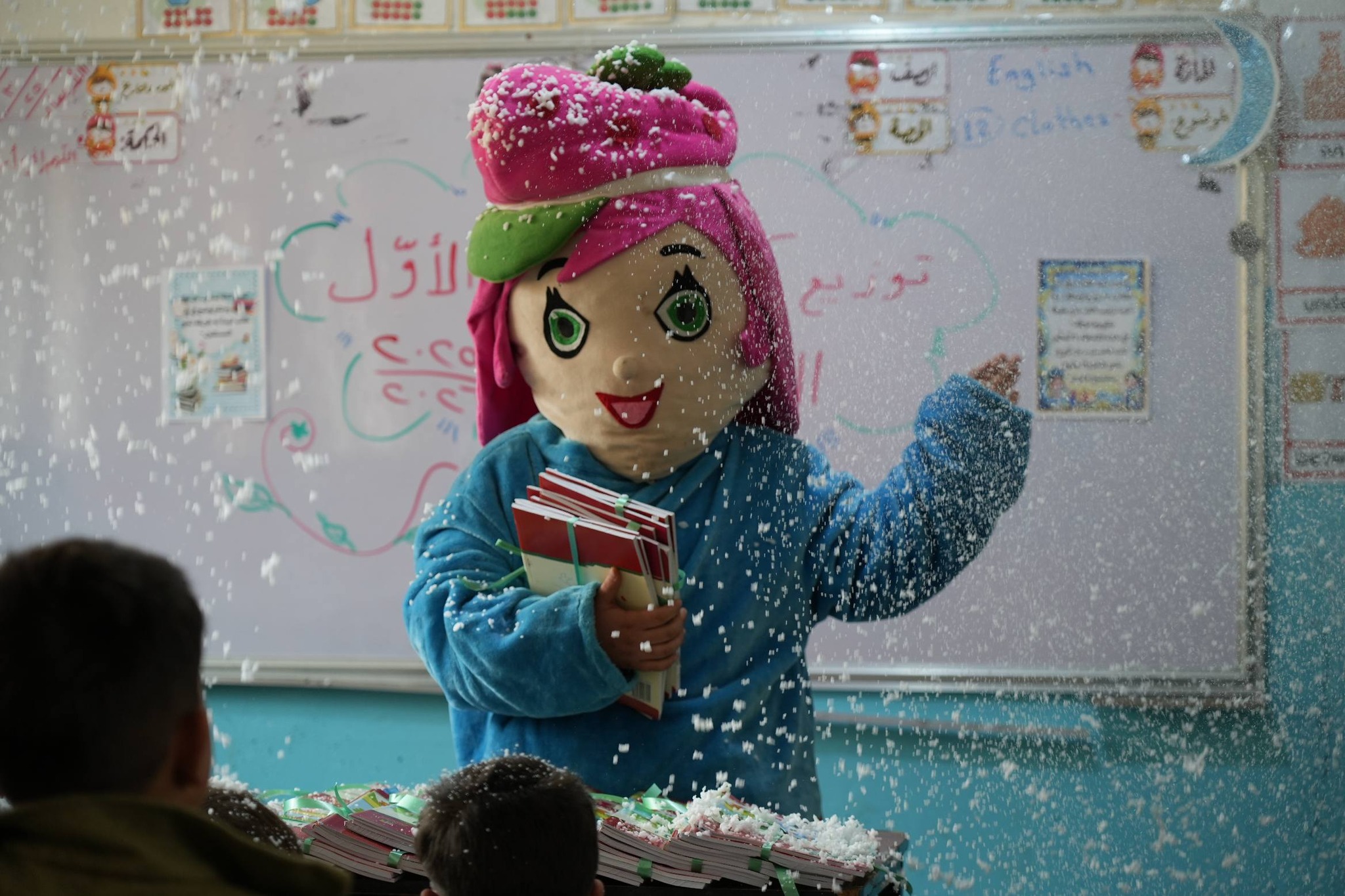
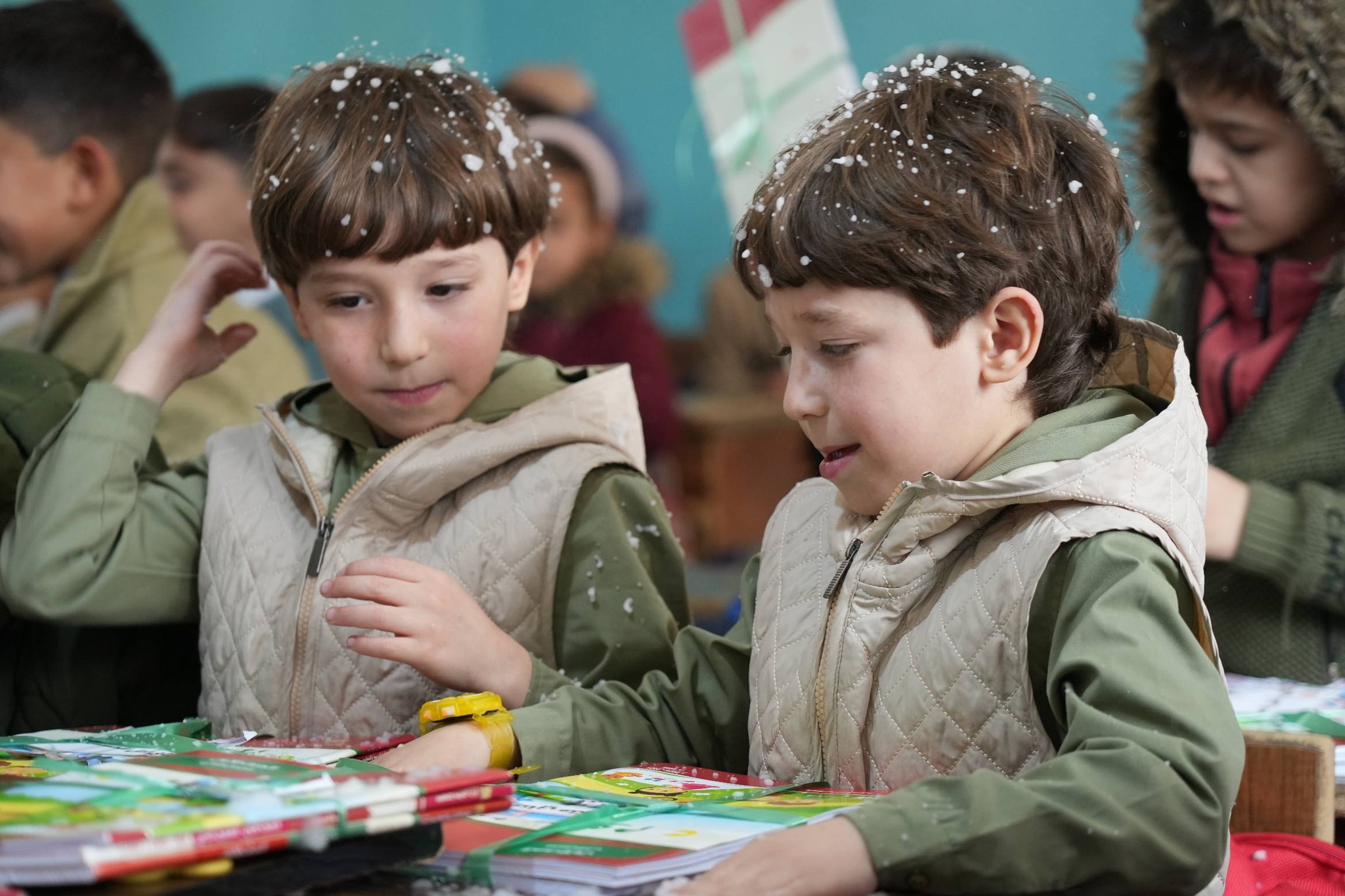
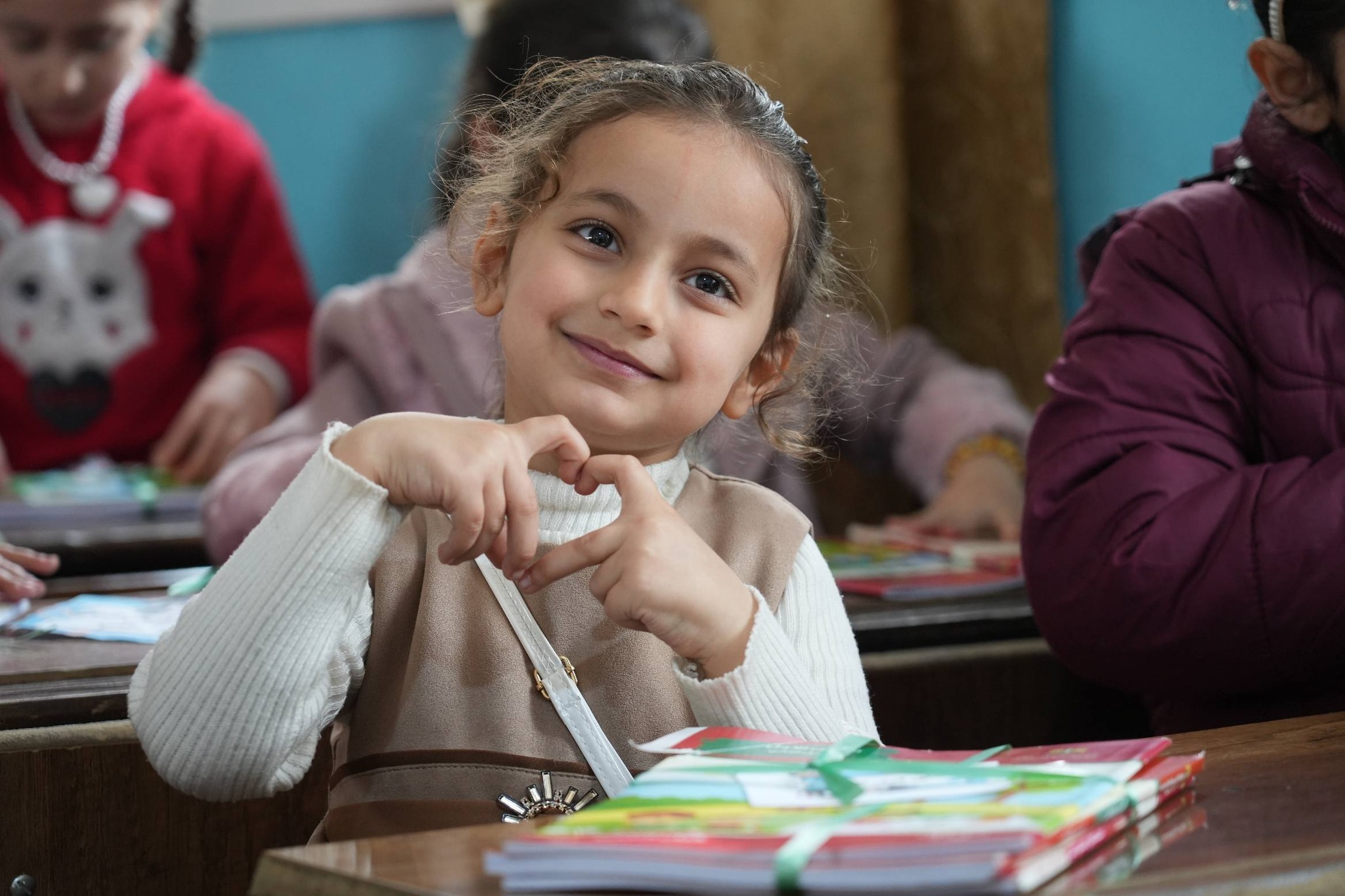
#Syria: textbook distribution is rarely fun or engaging. Today, #Idlib schools changed that 👇9
Qalaat Al Mudiq Qalaat Al Mudiq @QalaatAlMudiq ·
#Syria: the province of #Aleppo received 560,000 textbooks for the first and second stages of basic education, which will be distributed to schools across the province.
3
22
9K
Levantine ن
Levantine ن @jake1791 ·
A #Idlib on ferme les églises et in enleve les Croix Comme le cas de cette église orthodoxe Et l'archeveque de l"eglise latine romaine occidentale continue de lecher le cul du jolani
2
18
1K
Mahmoud مَحمود
Mahmoud مَحمود @Mdo091 ·
#Syria is characterized by a geographical location that grants it four distinct seasons throughout the year; this, in turn, is reflected in the natural landscapes across vast areas of the country #Idlib
3
339
Qalaat Al Mudiq
Qalaat Al Mudiq @QalaatAlMudiq ·
#Syria: a multi-story building collapsed today in Salqin (N. #Idlib). It was damaged by the 2023 earthquake - the recent heavy caused the final collapse. No casualties.
1
2
3.7K