Storage I/O plays a bigger role in AI training than many teams expect. MLPerf Storage v2.0 showed strong results in data loading and checkpointing, with up to 99.57% GPU utilization. 👇
na2.hubs.ly/H04xL640#AIInfrastructure#GPUComputingz
AI workloads need more than scalable object storage.
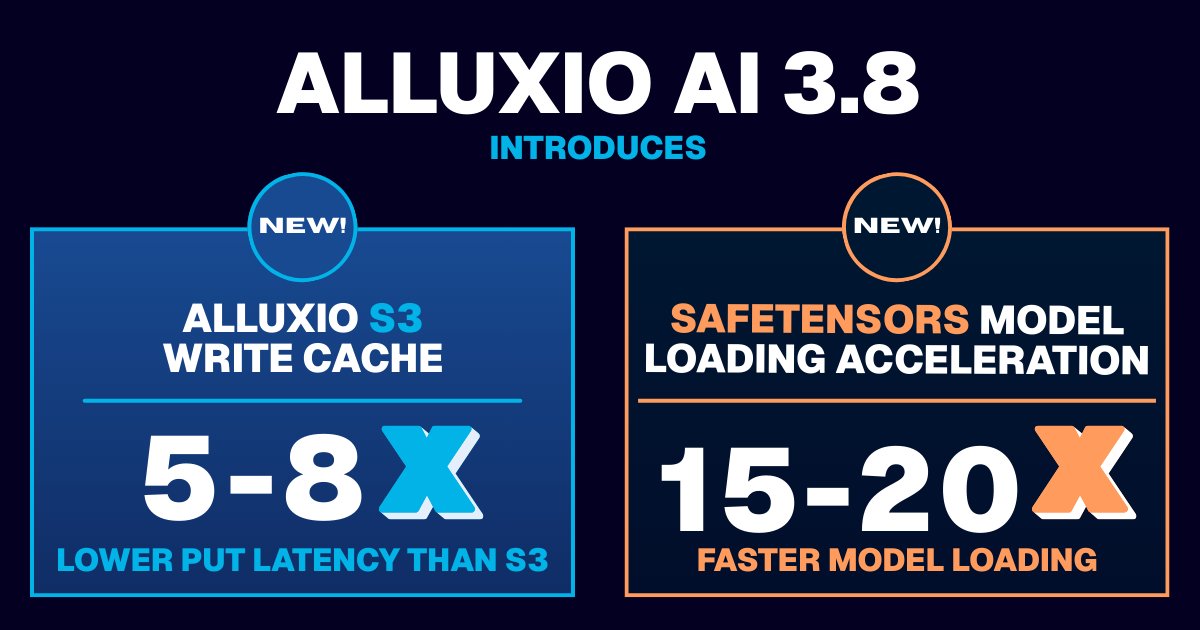
Alluxio reduces small-object write latency by 5–8x and speeds up Safetensors model loading by 18x, helping teams keep GPUs moving.
👉na2.hubs.ly/H04v6Pf0#AIInfrastructure#GPUComputing2
GPU-accelerated Monte Carlo method enables fast and accurate dose calculation for mesh-type computational phantoms, reducing computation time from hours to seconds while maintaining ~5% accuracy vs Geant4 benchmarks.
doi.org/10.1007/s41365…#MedicalPhysics#GPUComputing
AI workloads do not scale on object storage alone. Add a data layer that removes the I/O bottleneck to get:
☑️ Low latency
☑️ High throughput
☑️ Less data movement
☑️ Better data access for GPUs
👉na2.hubs.ly/H04rcrW0#AIInfrastructure#GPUComputingL
Most businesses hear “AI” and think it’s just a buzzword…
Until they realize their systems aren’t leveraging it effectively.
You’re exploring AI tools or GPUs…
But still struggle to turn data into actionable insights.
#AI#GPUComputing#ArtificialIntelligence#DataScience
The last decade of NVIDIA AI infrastructure can be summarized in one line:
GPU → GPU cluster → AI supercomputer → AI factory
Quick thread on the architecture progression from Volta to Vera Rubin 🧵
#NVIDIAGTC#AIInfrastructure#GPUComputingN