#elkgrove #sacramento #california
.
IS TRUMP A DICTATOR?
.
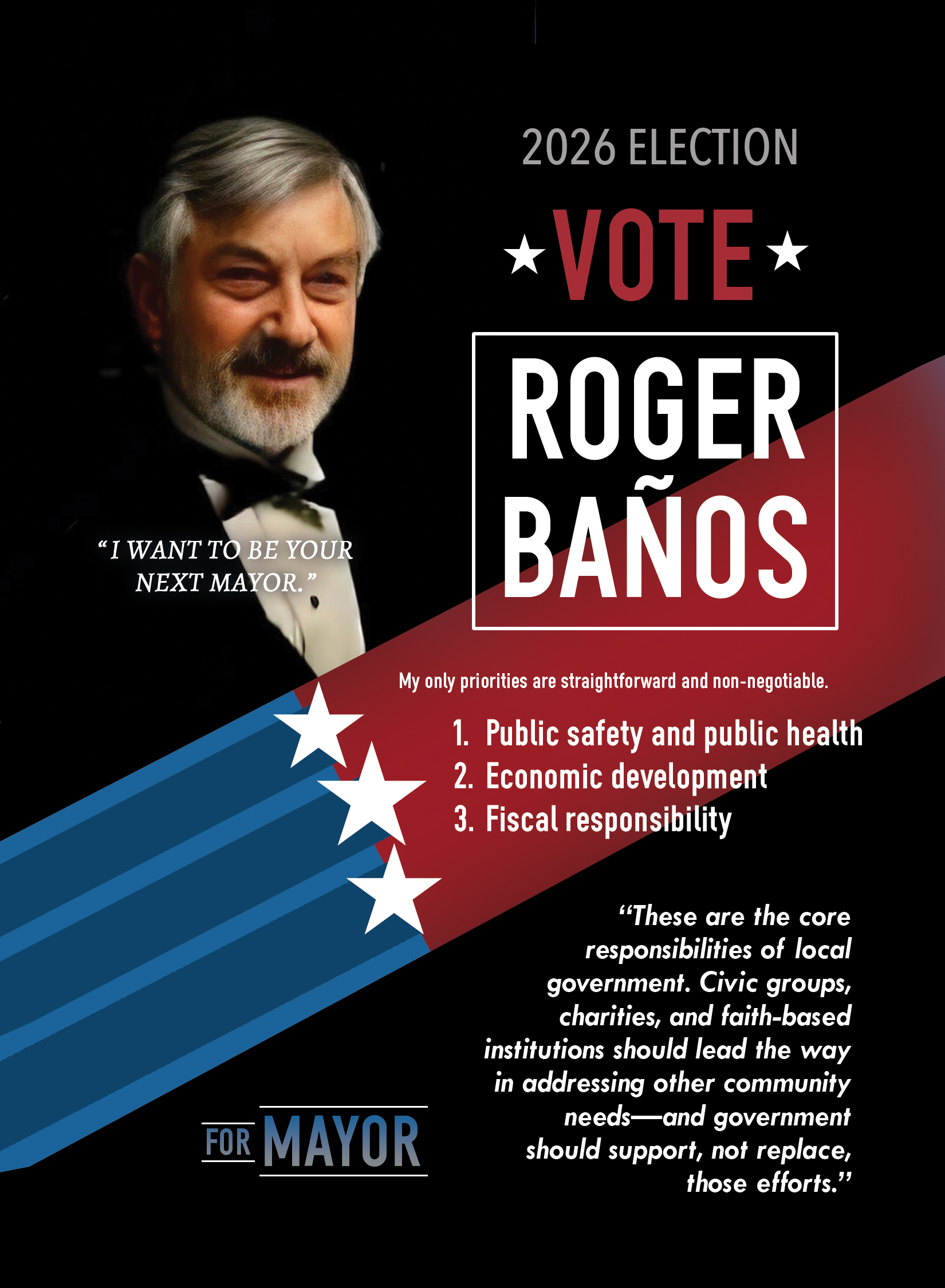
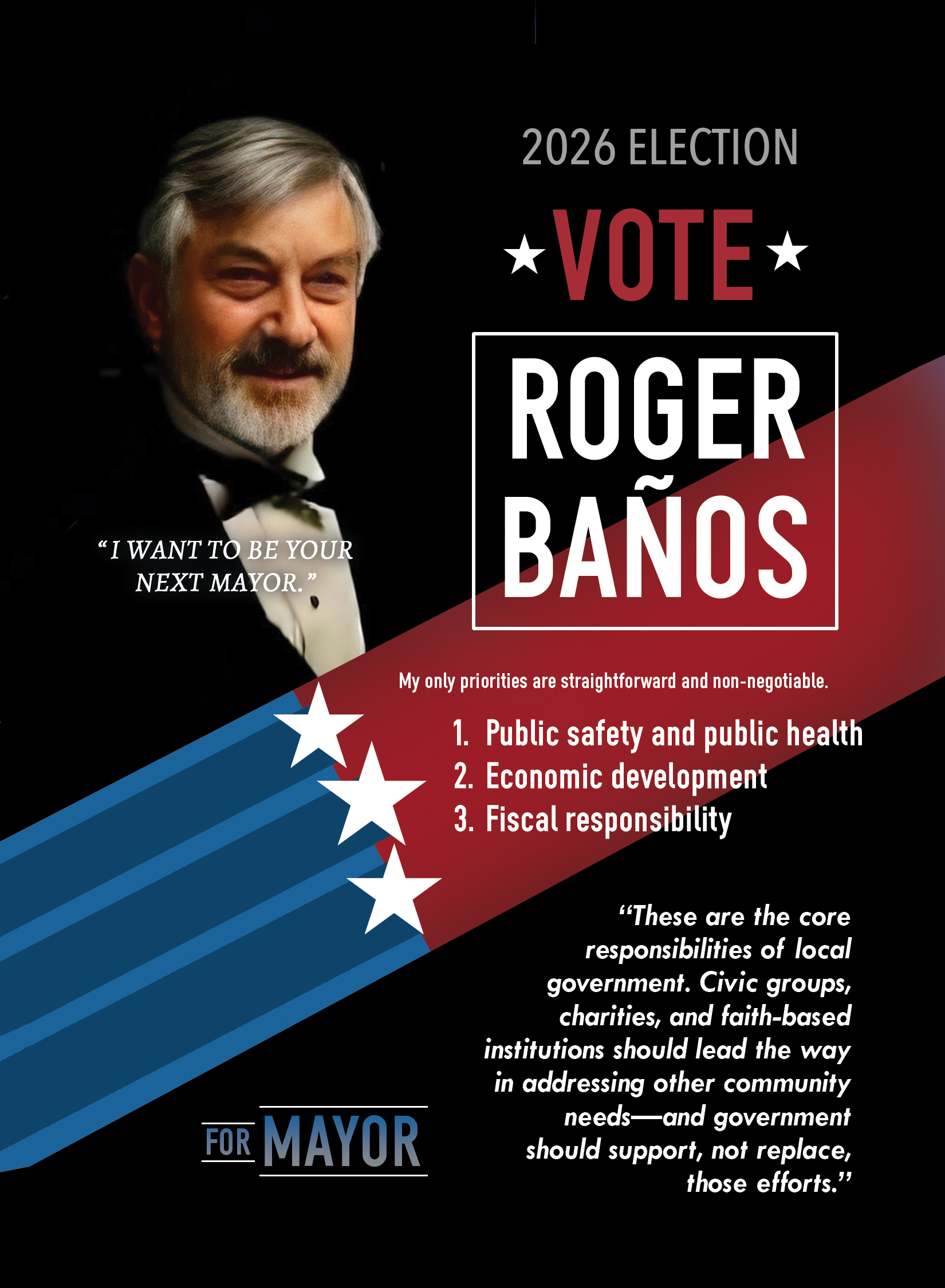
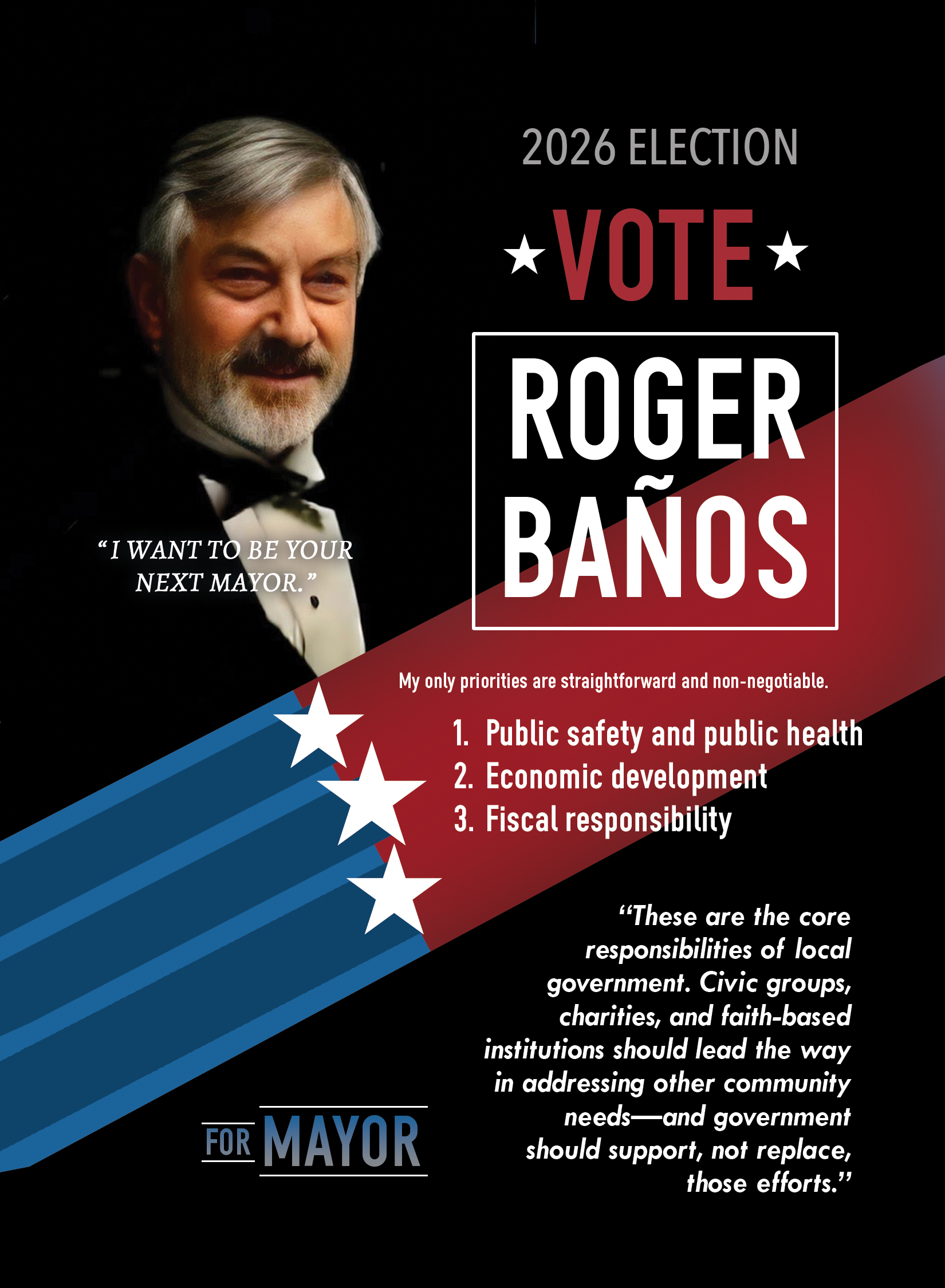
By Roger Banos, candidate for Mayor of Elk Grove
.
Having lived through a true dictatorship in Cuba, I have a perspective that many Americans understandably do not share firsthand. This is not meant to dismiss anyone’s add context to a conversation that is often driven more by emotion than by lived experience.
In the United States today, the word “dictator” is frequently used in political debate. It has become a label applied to leaders that people strongly disagree with. However, in reality, a dictatorship is not simply a strong or controversial leader. It is a system where power is absolute, dissent is dangerous, and the people have little to no ability to influence their government.
A real dictatorship removes choice. Elections, if they exist at all, are controlled or meaningless. Opposition voices are silenced through censorship, imprisonment, or exile. The press does not operate freely, and criticizing leadership can carry serious consequences. Institutions that might limit power—courts, legislatures, independent agencies—either do not function independently or do not exist in any meaningful way.
By contrast, the United States continues to operate within a democratic framework. Leaders can be challenged, voted out, criticized openly, and legally opposed. The press remains active and often highly critical. Courts can and do block executive actions. These are not characteristics of a dictatorship, even if the system is imperfect or under strain.
It is fair to say that some leaders, including Donald Trump, have demonstrated a strong and sometimes forceful leadership style. At times, this can feel dismissive of public opinion or political norms. These traits can raise legitimate concerns about the direction of leadership and the importance of preserving democratic institutions.
At the same time, there is a difference between a leader who pushes boundaries and a system that has already crossed into authoritarian rule. Recognizing that difference is important if we want to have honest and grounded discussions about politics.
There is also truth in the idea that both major political parties have contributed to public frustration. Many Americans feel that neither side fully represents their interests or prioritizes the well-being of the people. This growing dissatisfaction is part of what fuels strong reactions and intense political language.
Ultimately, it is possible to hold two ideas at once: to remain vigilant about protecting democratic institutions, while also acknowledging that the United States is not a dictatorship. For those who have lived under one, the distinction is not theoretical—it is deeply real.
A more productive conversation comes not from exaggeration, but from clarity. Understanding what a dictatorship truly is helps ensure that the term is used carefully, and that genuine threats to freedom are recognized for what they are.