#Media_Diplomacy
From
#Jimmy_Carter to
#Donald_Trump.
From
#Hostages to
#Nuclear weapons
#negotiations
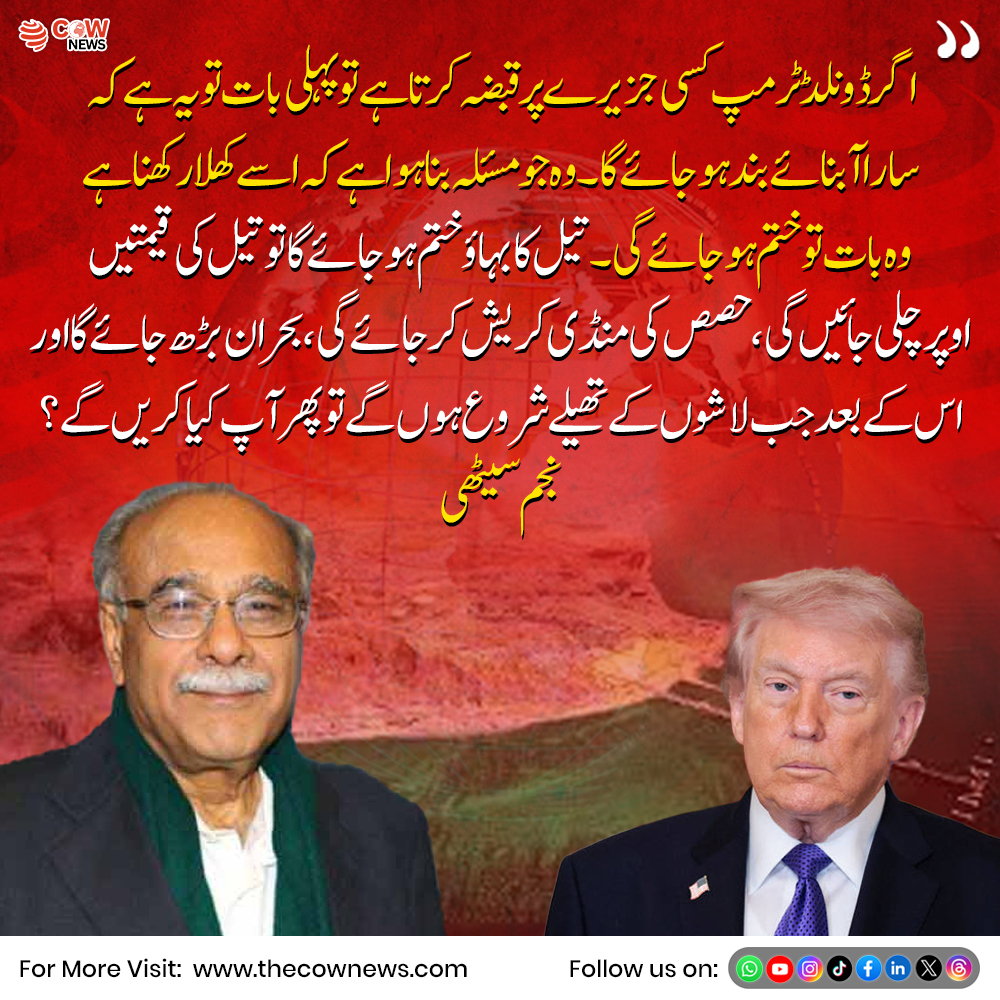
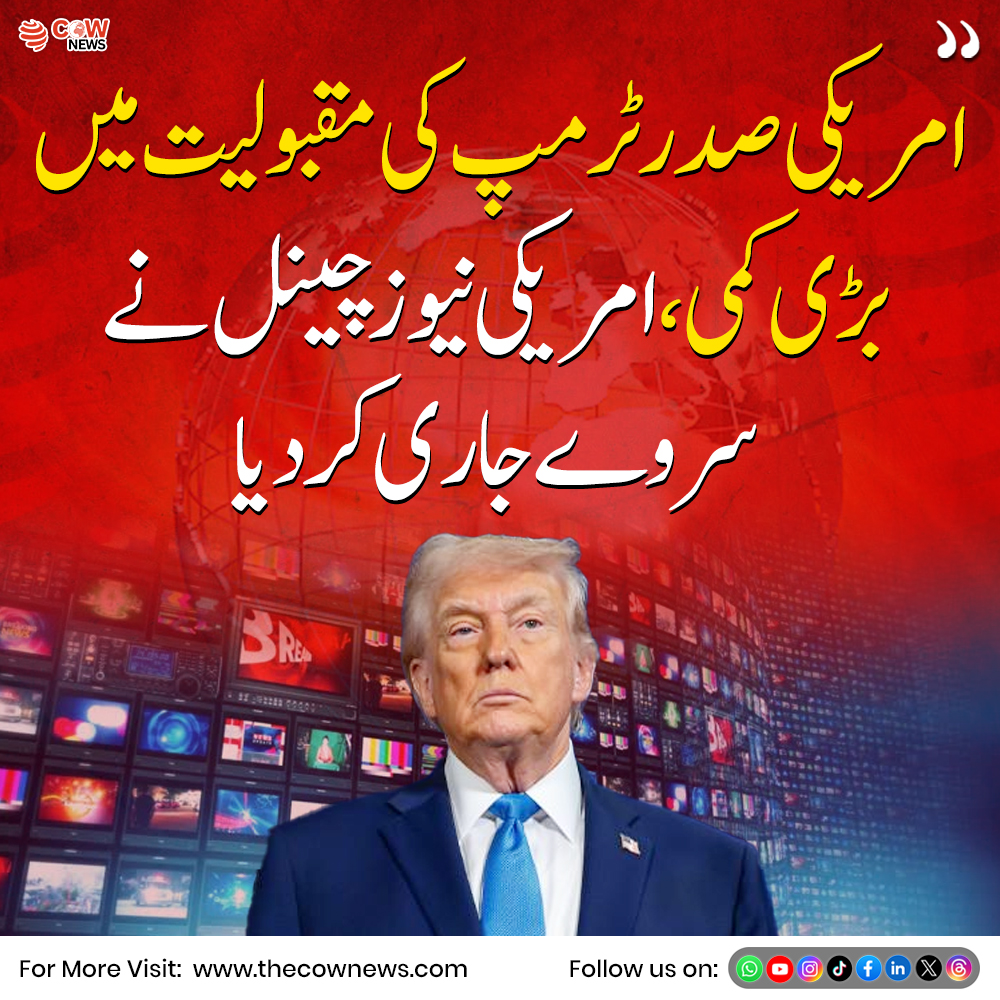
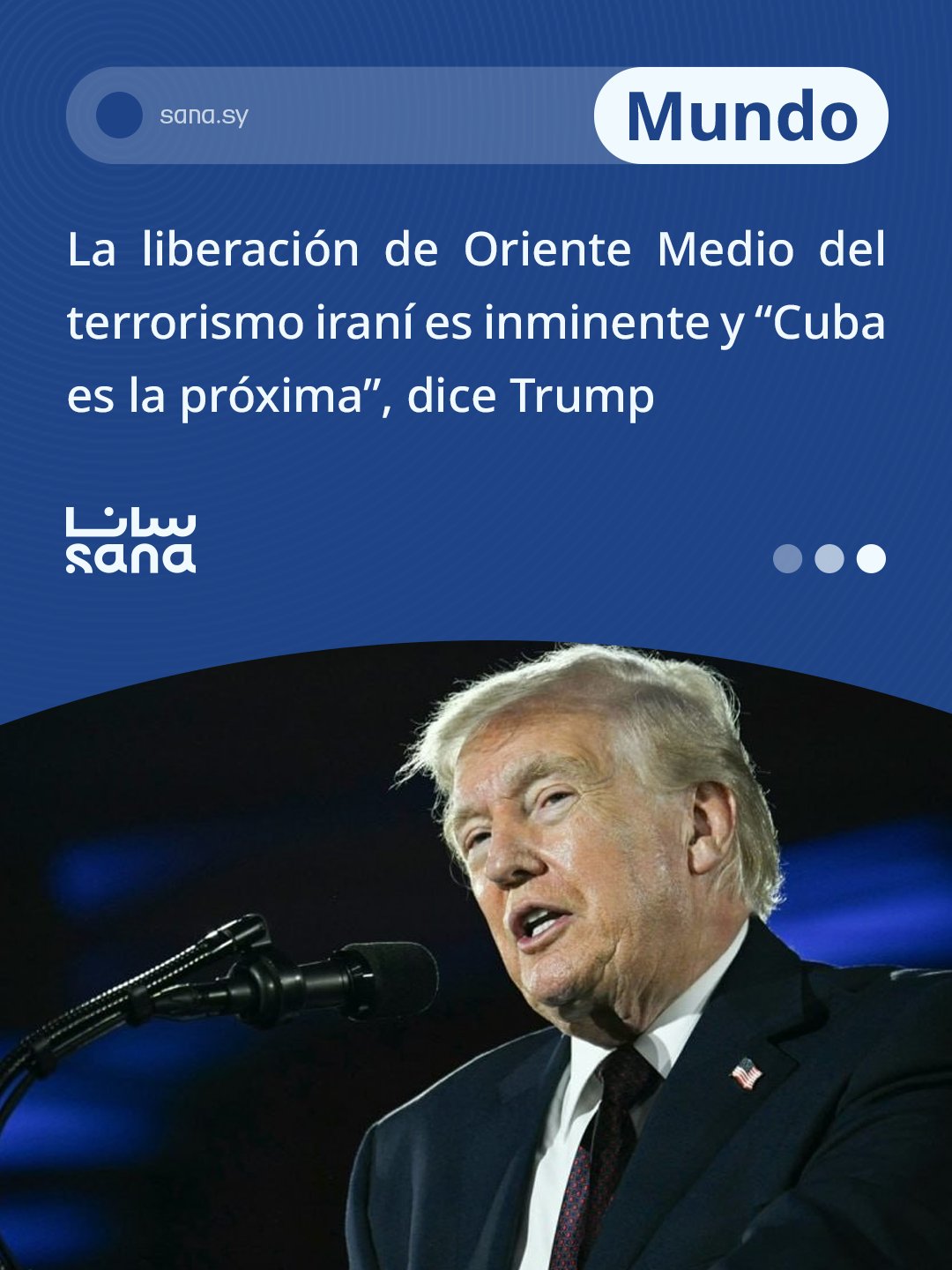
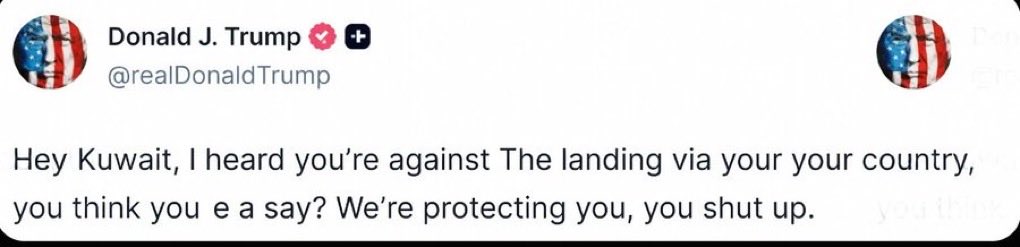
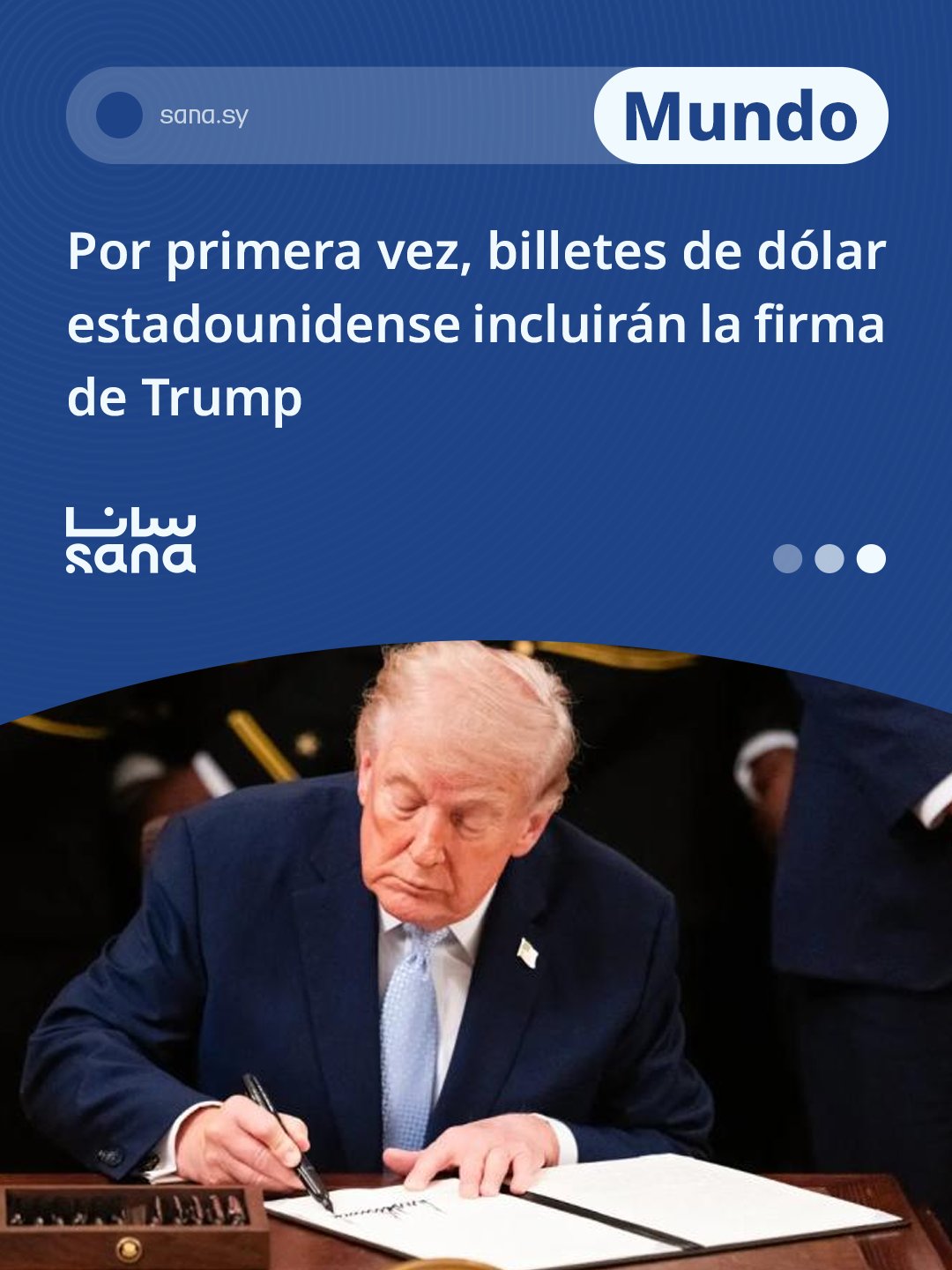
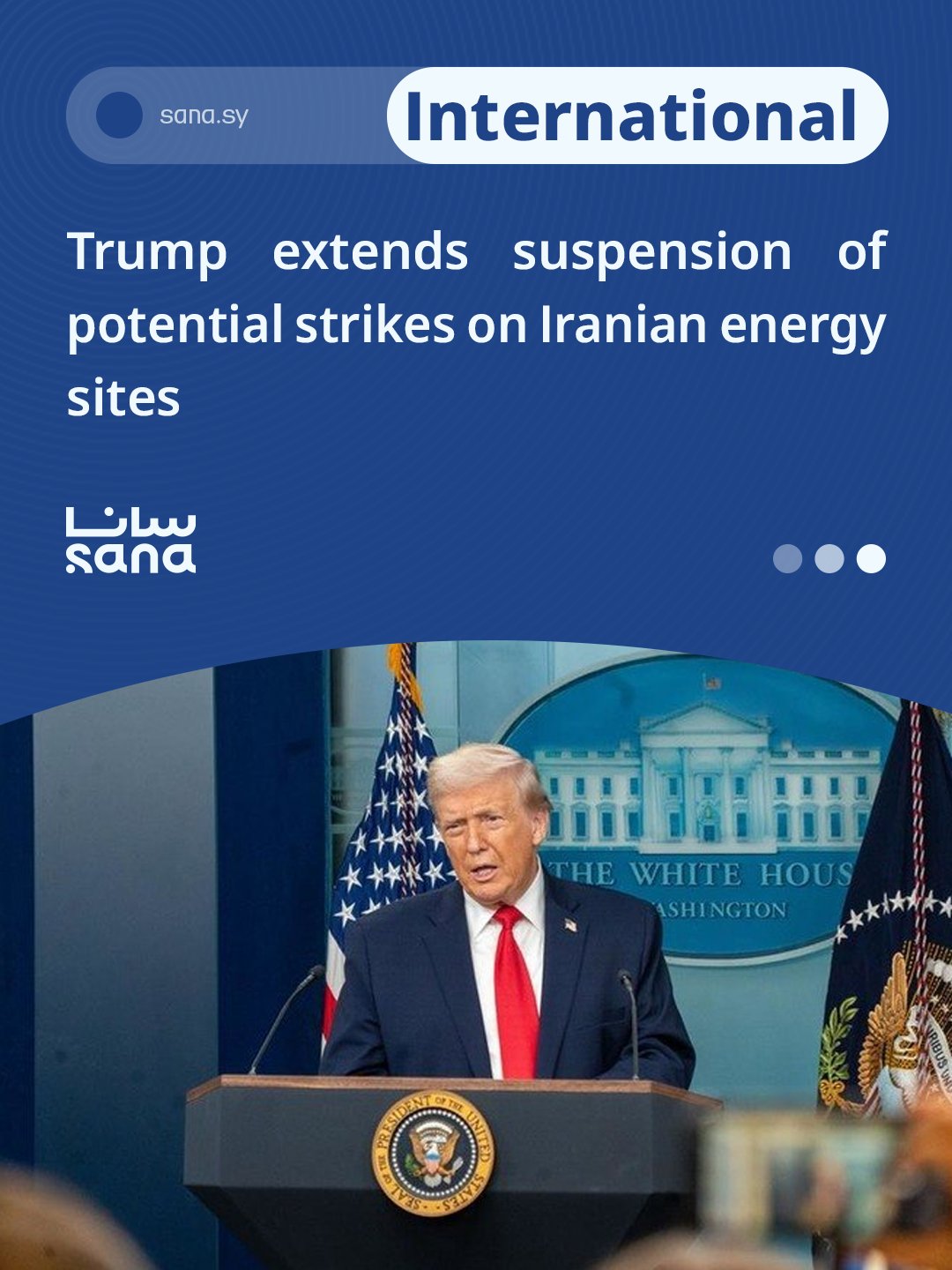
Donald Trump's "media diplomacy" was not just an improvisational method, but an extension of an older American methodology based on using media platforms as a parallel and ive negotiating tool for traditional diplomatic channels. Trump did not start sending messages through screens, but reactivated them more loudly and openly, as press conferences and media statements turn into pressure tools, carrying lined alarms and final messages addressed not only to the opposite party, but also to international public opinion.
This methodology has its roots in the 1979 Iran hostage crisis, where American messages were not only transmitted through secret diplomatic channels, but were broadcast in a calculated manner through the official media. Washington then realized that the management of the crisis is not only behind closed doors, but also through television screens, where the balance of pressure is reshaped by addressing the masses, and an international narrative industry that narrows the maneuvering margin in front of the other party.
The goal was not only to deliver a message to Tehran, but also to mobilize the American interior, and build an international consensus that legitimizes any subsequent steps.
In the experience of the crisis, the political effort was led by Jimmy Carter, who used the media as a speech and pressure tool, while Warren Christopher took over the management of indirect negotiating channels, which took 444 days to release the hostages, which coincided with the arrival of President Reagine in power.
Trump is reproducing this approach but with more direct and immediate tools. Instead of traditional diplomatic channels, that is, instead of consuls and official ambassadors, screens, media and even digital platforms are used as platforms to send the “last warning”, in a scene that reduces negotiation to a public media moment, as the media message itself turns into a direct negotiating tool.
And therein lies the fundamental shift: from closed-room diplomacy that is managed across multiple institutions, to the leadership-centered public lobbying diplomacy, where the media message becomes an integral part of the strategy of political coercion.
But this approach, despite its effectiveness in creating momentum and rapid pressure, carries structural risks, as it may restrict the margin of retreat, and push the parties towards more hardened positions, especially when messages turn into public commitments that are difficult to retreat without political cost.
Therefore, "information diplomacy" is not just a communication tool, but a power tool used to reshape the rules of negotiation and transfer the battle from the negotiating table to the world public opinion space.
alquds.com/en/posts/232758
facebook.com/share/p/1CdJGS…