𝐒𝐦𝐚𝐫𝐭 𝐅𝐚𝐫𝐦𝐢𝐧𝐠: 𝐖𝐡𝐲 𝐭𝐡𝐞 𝐖𝐨𝐫𝐥𝐝'𝐬 𝐅𝐨𝐨𝐝 𝐒𝐲𝐬𝐭𝐞𝐦 𝐍𝐞𝐞𝐝𝐬 𝐚 𝐃𝐢𝐠𝐢𝐭𝐚𝐥 𝐍𝐞𝐫𝐯𝐨𝐮𝐬 𝐒𝐲𝐬𝐭𝐞𝐦
According to global reports:
• An estima�𝐥 𝐟𝐨𝐨𝐝 𝐩𝐫𝐨𝐝𝐮𝐜𝐞𝐝 𝐢𝐬 𝐥𝐨𝐬𝐭 𝐛𝐞𝐟𝐨𝐫𝐞 𝐢𝐭 𝐫𝐞𝐚𝐜𝐡𝐞𝐬 𝐚 𝐩𝐥𝐚𝐭𝐞.
• Drought, floods, and soil degradation cause $𝟐𝟗𝐁 𝐢𝐧 𝐚𝐧𝐧𝐮𝐚𝐥 𝐜𝐫𝐨𝐩 𝐥𝐨𝐬𝐬𝐞𝐬 (FAO 2023); 𝟒𝟎% of farmland faces soil degradation risk
• 𝟏.𝟒 𝐛𝐢𝐥𝐥𝐢𝐨𝐧 smallholder adults are unbanked (World Bank 2023); informal loan rates run at 𝟑𝟓–𝟔𝟎% APR
• Farmers receive only 𝟏𝟎–𝟐𝟓% of the retail food price; post-harvest loss runs at 𝟏𝟔–𝟒𝟎% (ICAR Maharashtra)
• No verifiable digital identity means no subsidy access, no insurance, no carbon income , $𝟏𝟐𝟎𝐁 in subsidies annually fails to reach intended recipients (World Bank)
The global food system is failing from lack of intelligence at scale - a structural failure to connect knowledge, data, and resources to the 𝟔𝟎𝟖 𝐦𝐢𝐥𝐥𝐢𝐨𝐧 𝐟𝐚𝐫𝐦𝐬 𝐭𝐡𝐚𝐭 𝐟𝐞𝐞𝐝 𝐭𝐡𝐞 𝐰𝐨𝐫𝐥𝐝.
𝐒𝐦𝐚𝐫𝐭 𝐅𝐚𝐫𝐦𝐢𝐧𝐠 transforms agriculture into a data-driven system where every decision, from planting and irrigation to pest control and market timing, is informed by real-time intelligence.
• Precision irrigation reduces water use by up to 𝟓𝟎% while improving yields.
• AI-driven crop diagnostics detect disease before it is visible.
• Sensor networks and satellite data turn farms into measurable, optimisable systems.
But Smart Farming is not about isolated tools.
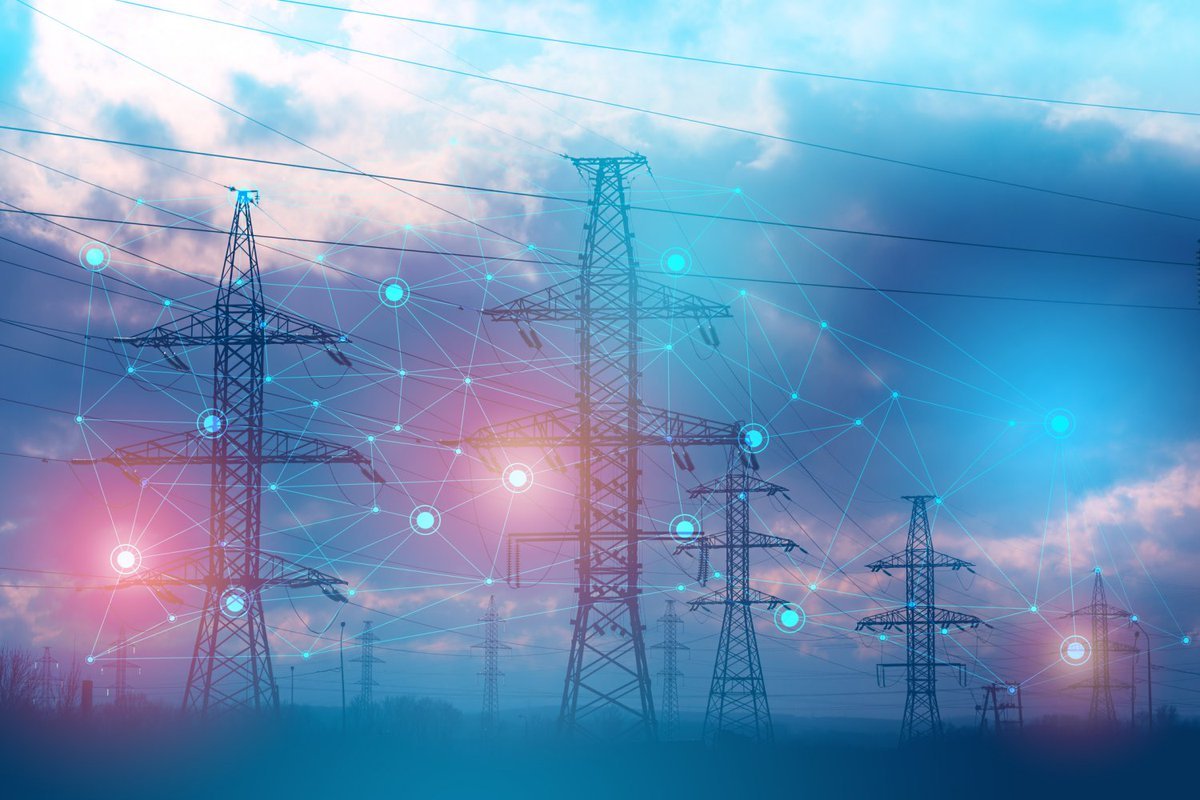
It requires a connected infrastructure, 𝐚 𝐝𝐢𝐠𝐢𝐭𝐚𝐥 𝐧𝐞𝐫𝐯𝐨𝐮𝐬 𝐬𝐲𝐬𝐭𝐞𝐦 that integrates intelligence, identity, finance, and markets into a unified ecosystem.
𝐂𝐢𝐭𝐢𝐞𝐬𝐚𝐛𝐜 𝐈𝐦𝐩𝐚𝐤𝐭:
• Combines AI (AI.DNA), blockchain-based identity (iDNA), IoT sensor networks, satel
citiesabc.com/smart-farming-…financial layers into one interoperable architectu
re.
• 𝐎𝐩𝐞�
�𝐚𝐭𝐢𝐨�
�𝐚�
�𝐢𝐬𝐞𝐬 𝐒�
�𝐚𝐫𝐭 𝐅𝐚�
�𝐦𝐢𝐧𝐠 𝐚𝐭 𝐬𝐜𝐚��
𝐞, includ
ing in low-connectivity environments through offline-first design and 2G-enabled AI.
𝐑𝐞𝐚𝐝 𝐦𝐨𝐫𝐞 𝐨𝐧 𝐂𝐢𝐭𝐢𝐞𝐬𝐚𝐛𝐜: https://t.co/A0hrCWfrvY
To partner with us, contact info@citiesabc.com
#SmartFarming #AgriTech #AI #FoodSystems #ClimateTech #DigitalTransformation #Citiesabc #Ztudium