#DeepState
India wasn’t conquered by Britain.
It was Britain’s empire for centuries — a private corporation with its own army (larger than the British state’s), its own laws, its own taxes, and immense political influence in London.A handful of executives in a small London office ruled tens of millions, extracted wealth, and waged wars… all in the name of “trade” and shareholder profit.When it finally lost control after the 1857 rebellion, the British government had to step in and nationalize the mess.
Today’s parallel?
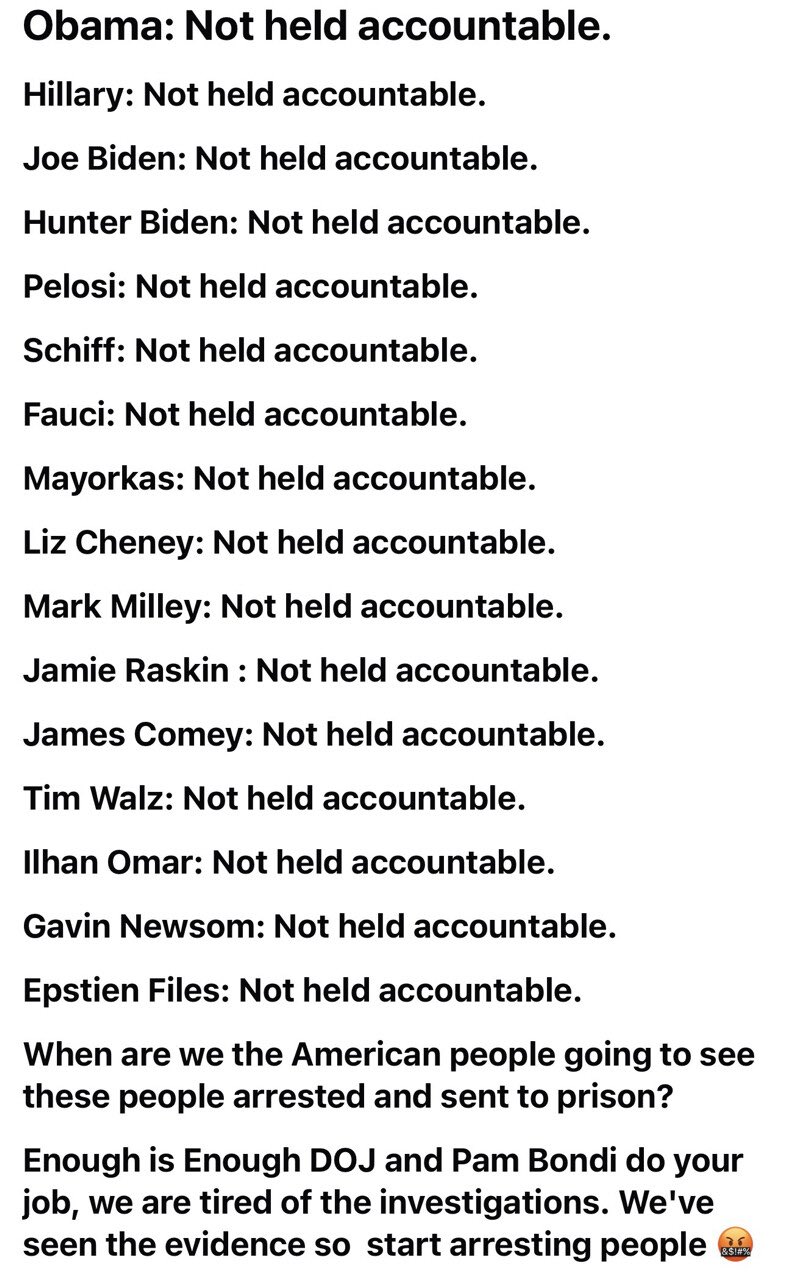
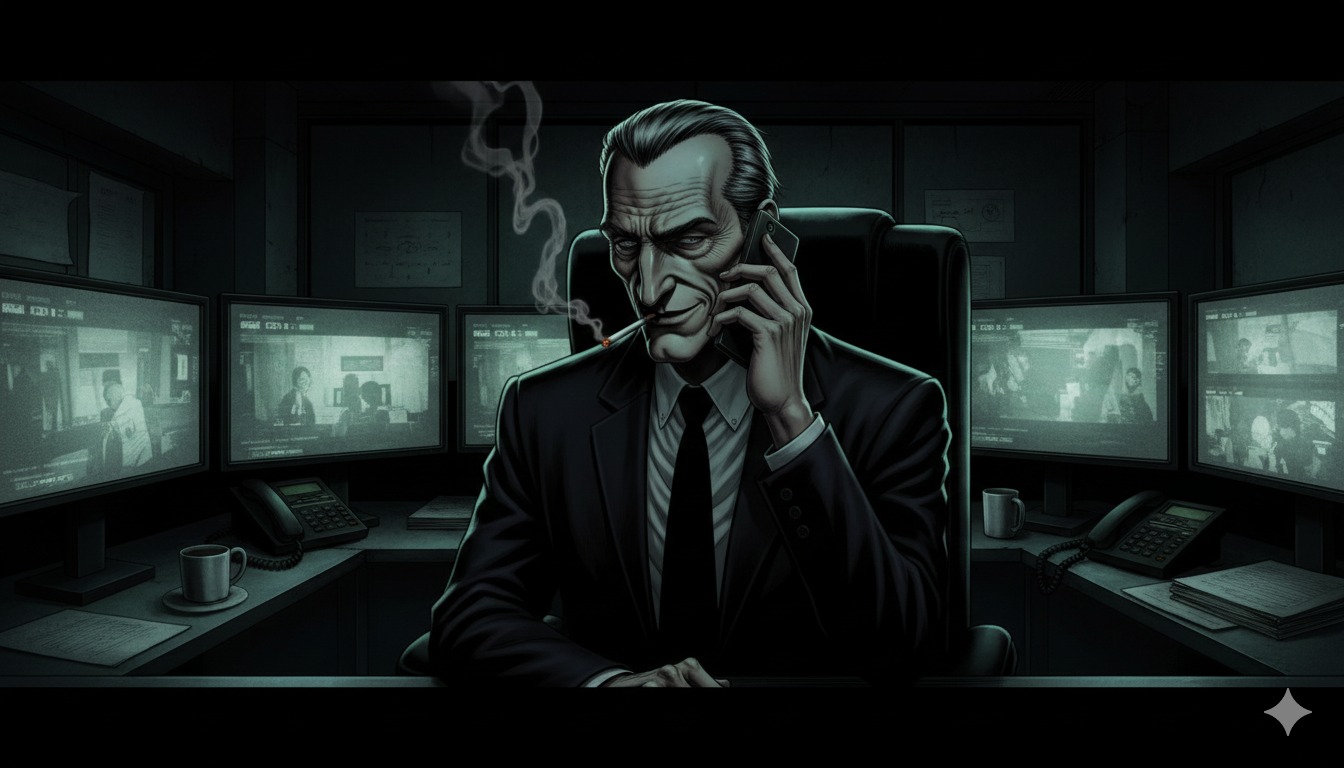
The Deep State — that permanent network of intelligence agencies, bureaucracies, regulators, and aligned corporations — operates with similar logic.
It wields enormous power behind the scenes: surveillance, narrative control, endless wars, regulatory capture, and economic extraction.
It claims to serve “democracy” and the public interest, yet often prioritizes institutional self-preservation and elite agendas over the will of the people.When things go wrong (failed policies, loss of public trust, economic pain), the visible government is expected to clean up the mess while the real power structure remains largely untouched.
The lesson from history is clear:
When unaccountable entities — whether a 18th-century merchant company or today’s entrenched administrative-intelligence complex — fuse corporate/bureaucratic interests with state power, the result is rarely genuine liberty.
It’s rule by another name.