Buy-Side (Strategic Decision-Makers ) vs. Sell-Side (Transaction Executors )
📌Buy side vs Sell side (CFAs): Understanding the Battle for Investment Success
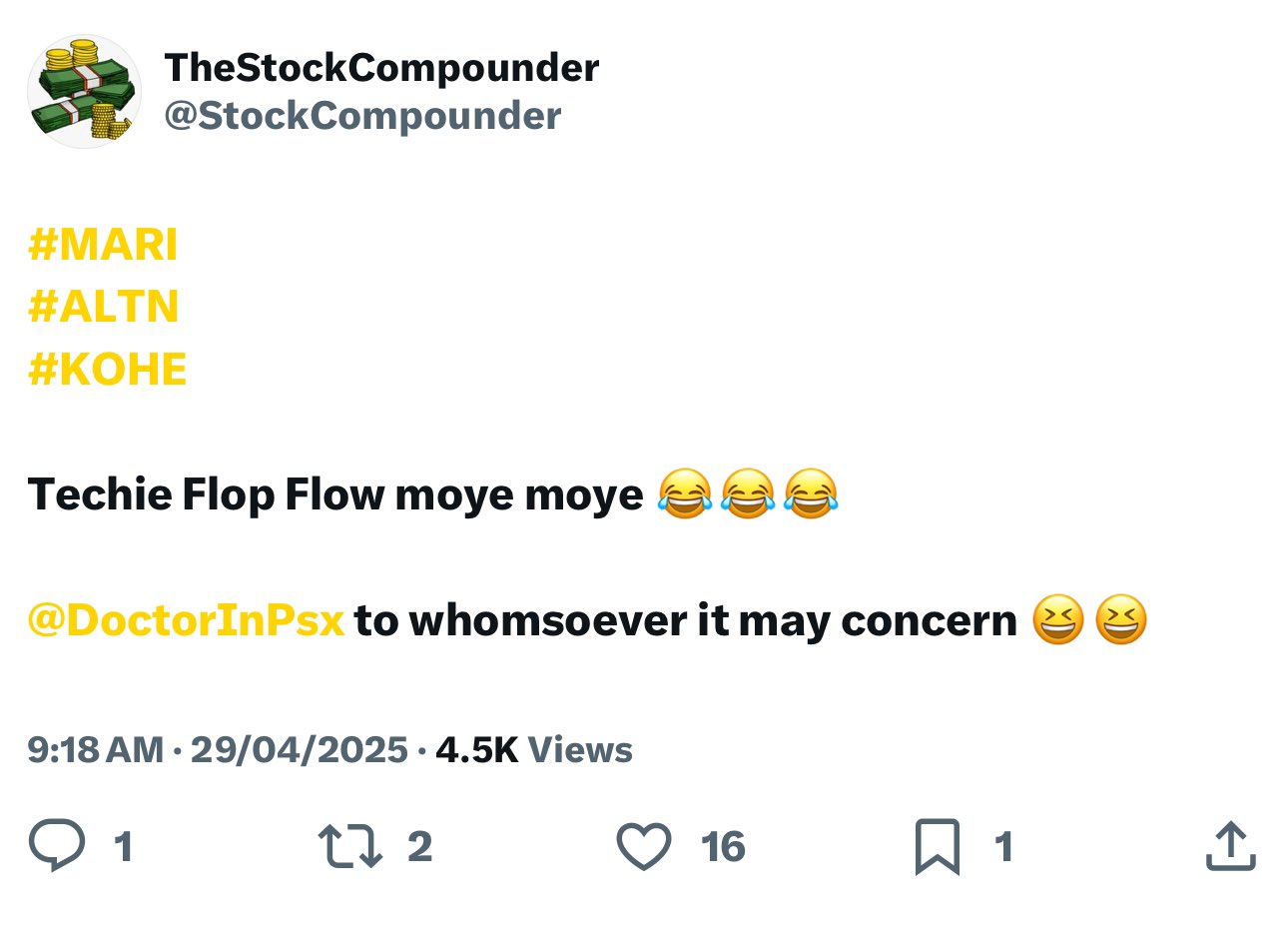
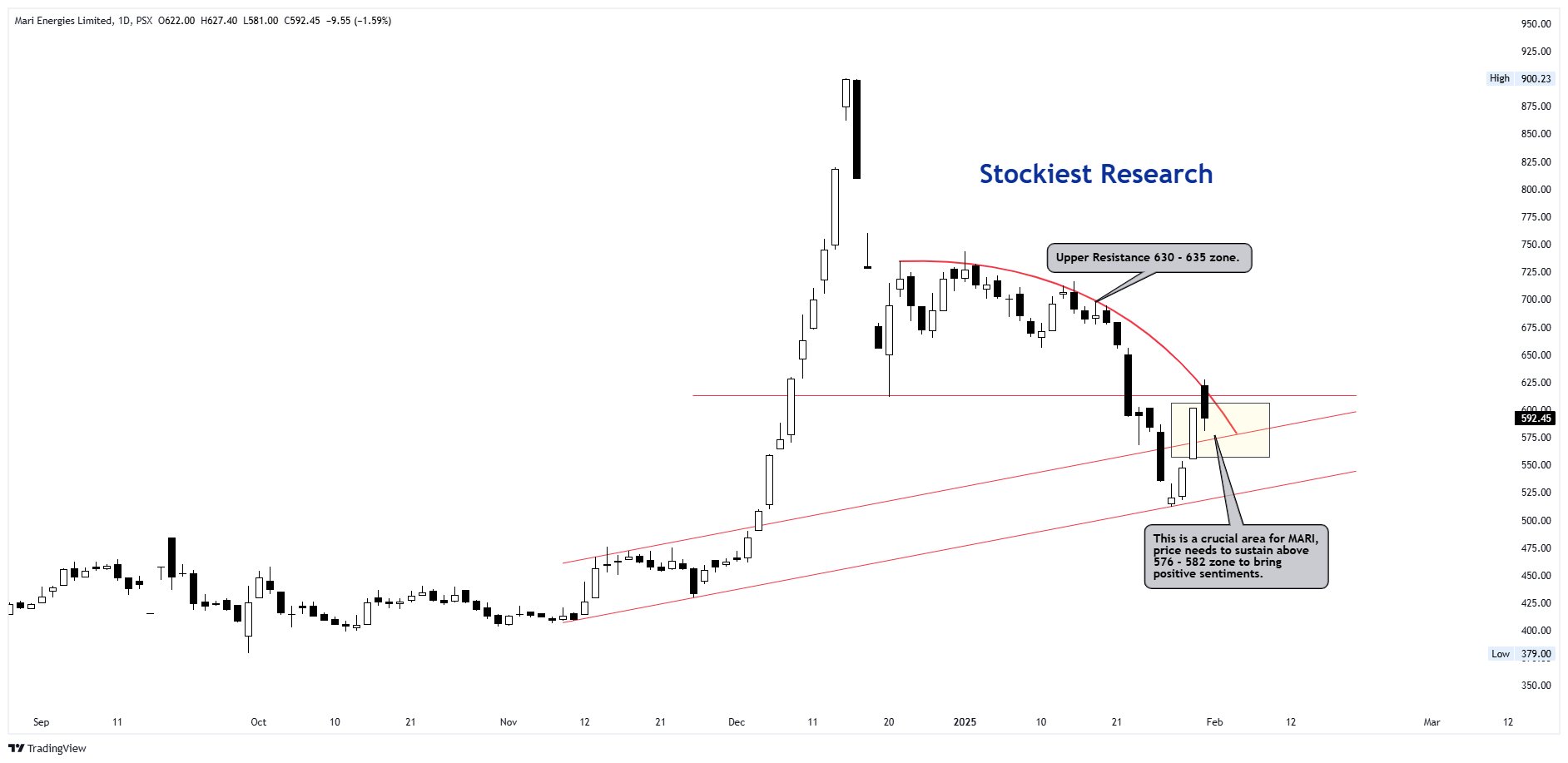
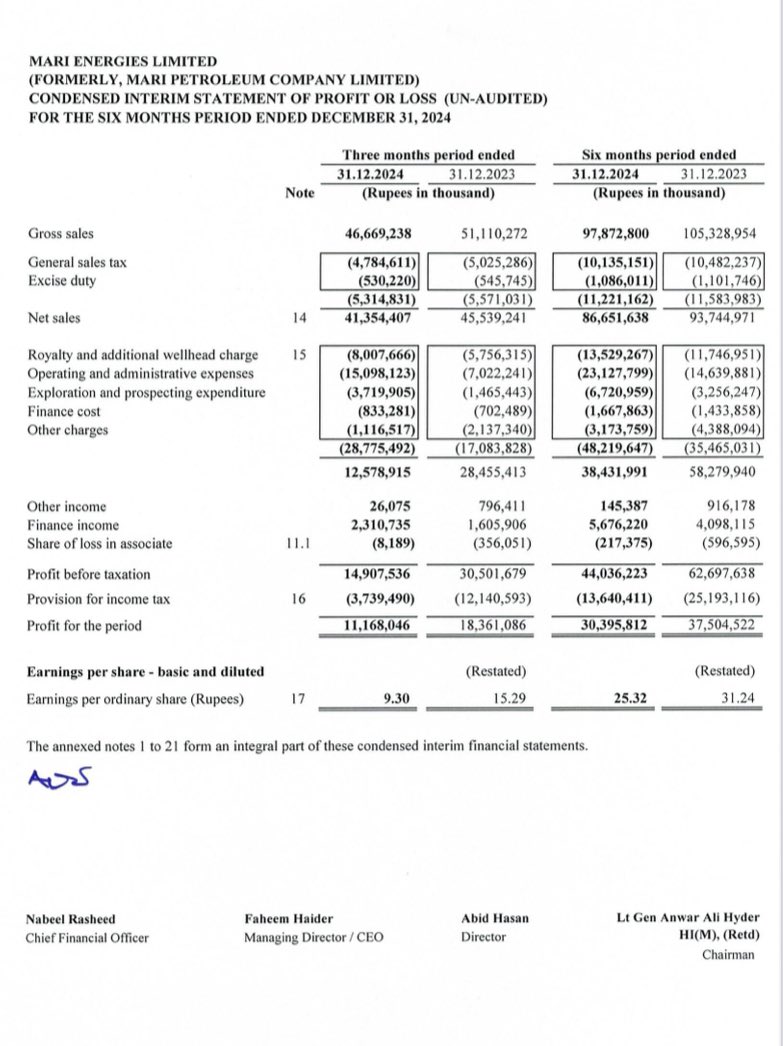
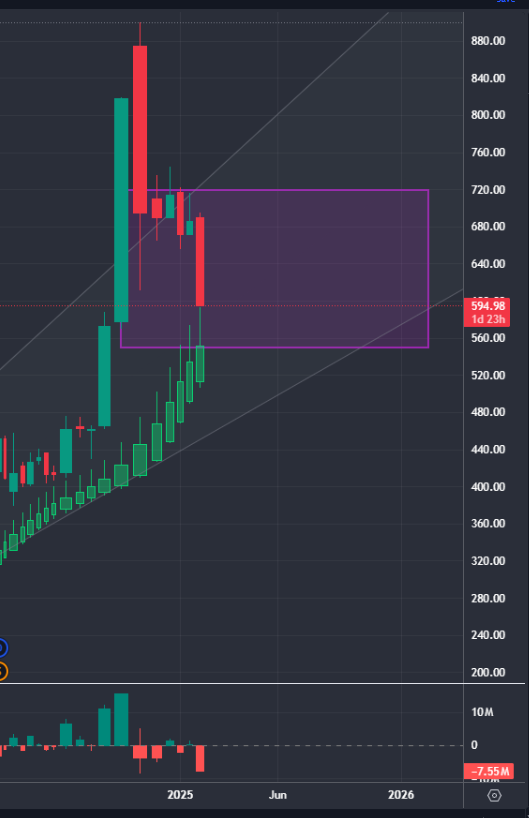
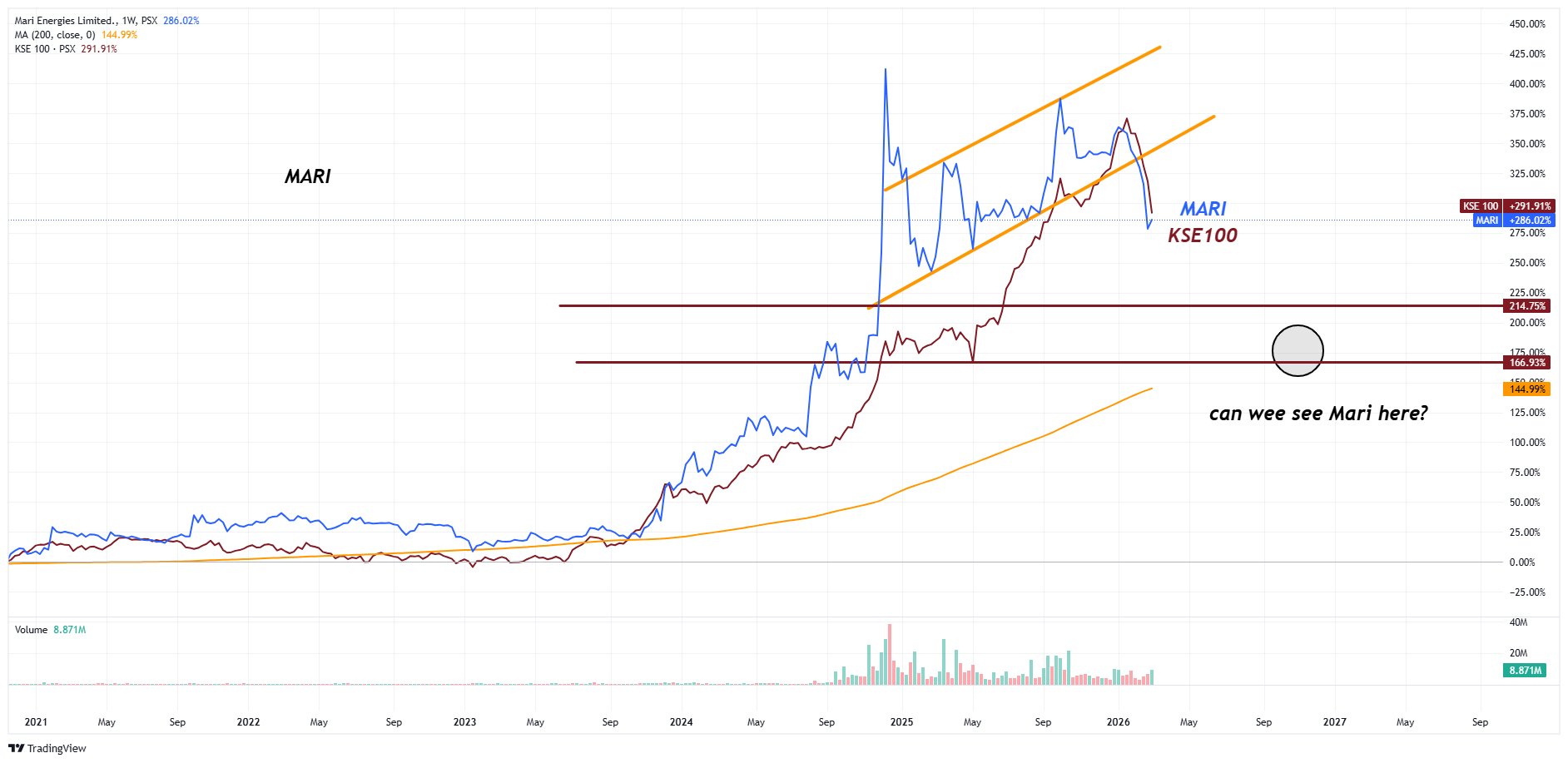
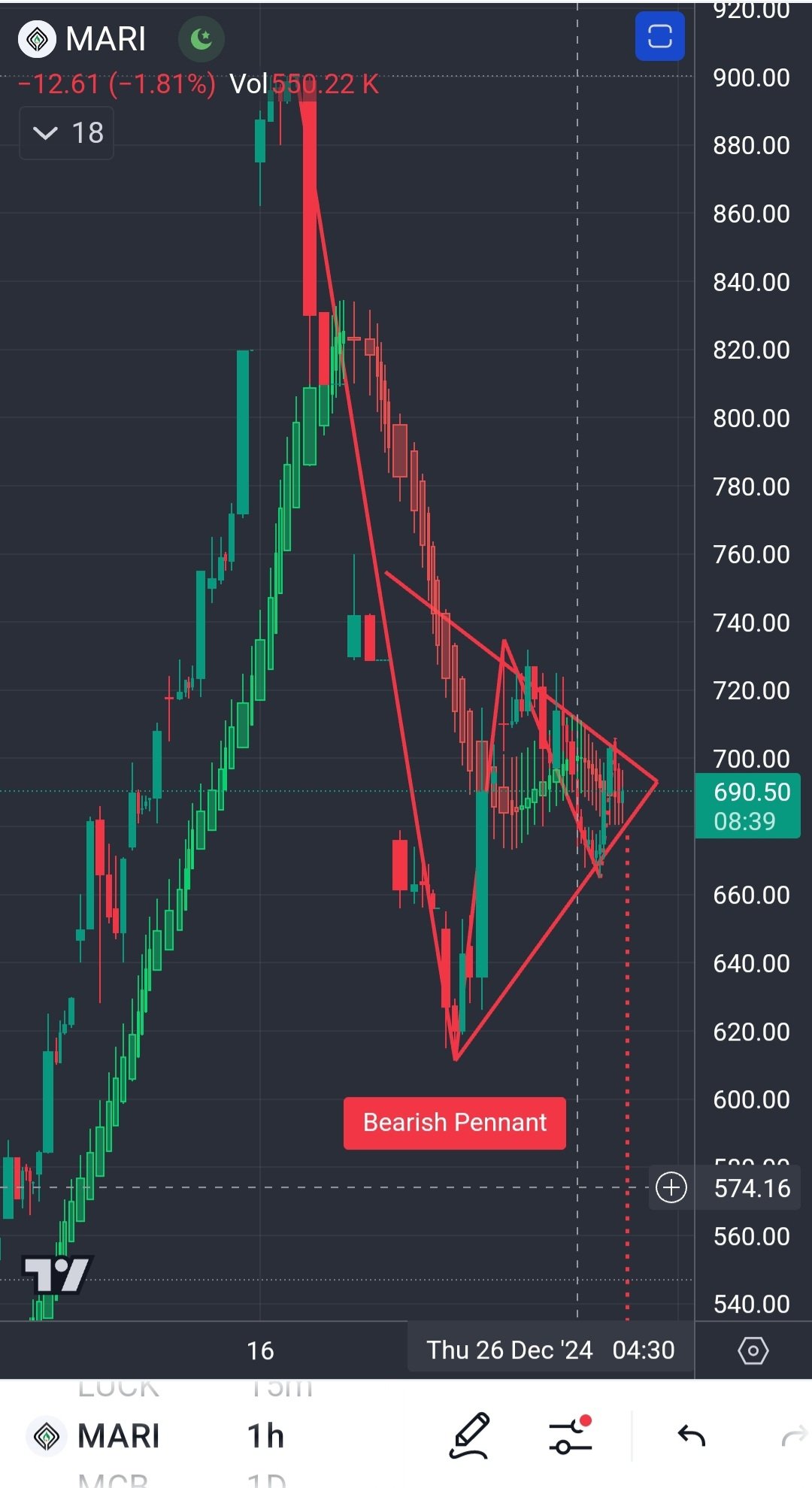
In this thread, We adopting the recent example of
#MARI 🧵
Look at below for Point #5 for better understanding os
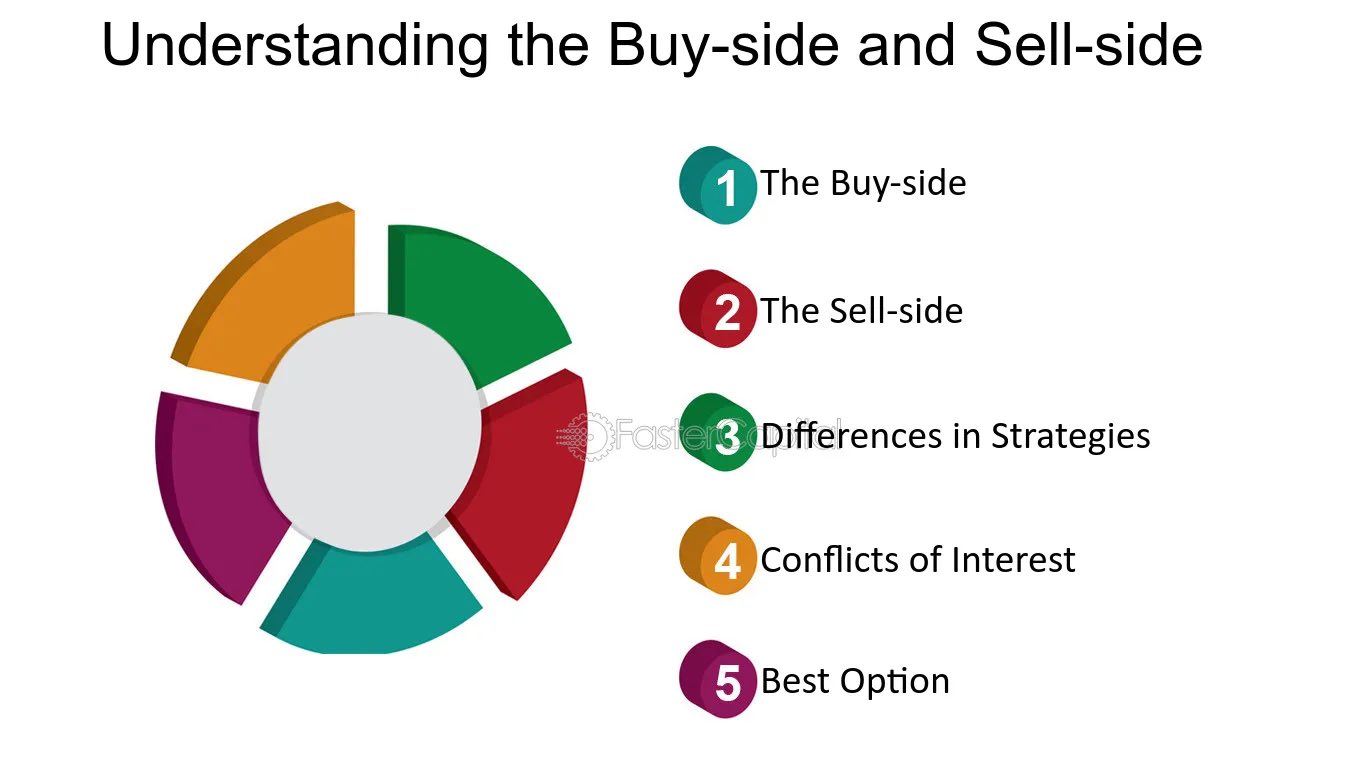
The financial industry is divided into two main groups: the buy-side and the sell-side. Both groups play a crucial role in the investment process, but they have different objectives and strategies. Understanding the differences between the buy-side and sell-side is essential for investors who want to make informed decisions.
1. The Buy-side:
The buy-side refers to institutions that buy securities for investment purposes. This includes mutual funds, hedge funds, pension funds, and private equity firms. The primary objective of the buy-side is to generate returns for their clients or investors. They analyze companies and securities to identify opportunities for investment that will yield the highest returns.
2. The Sell-side:
The sell-side refers to institutions that sell securities to investors. This includes investment banks, broker-dealers, and market makers. The primary objective of the sell-side is to generate revenue by facilitating trades between buyers and sellers. They provide research and analysis on companies and securities to help investors make informed decisions.
3. Differences in Strategies:
The buy-side and sell-side have different strategies to achieve their objectives. The buy-side focuses on identifying undervalued securities and holding them for a long time to realize their potential. They conduct in-depth research and analysis to identifycompanies with strong fundamentals and growth potential. The sell-side, on the other hand, focuses on generating revenue from trading activities. They use research and analysis to identify securities that are in demand and facilitate trades between buyers and sellers.
4. Conflicts of Interest:
This is the best explanation o
f #MARI
The buy-side and sell-side have different objectives, which can create conflicts of interest. For example, investment banks may provide research that is biased towards companies that they have a business relationship with. This can lead to investors making decisions based on incomplete or biased information. To mitigate these conflicts of interest, investors should conduct their own research and analysis and seek advice from independent sources.
5. Best Option:
Both the buy-side and sell-side play important roles in the investment process. However, for individual investors, the buy-side may be the better option. This is because the buy-side focuses on generating returns for their clients, which aligns with the objectives of individual investors. Additionally, the buy-side provides access to a wide range of investment opportunities, including alternative investments that are not available to retail investors.
📌Understanding the differences between the buy-side and sell-side is essential for investors who want to make informed decisions. While both groups play important roles in the investment process, the buy-side may be the better option for individual investors. By conducting their own research and analysis and seeking advice from independent sources, investors can make informed decisions and achieve their investment objectives.
Choose your side wisely!!! 🧠